0%

Choosing the right Continuous Laser Cleaning Machine isn't just a technical detail—it's actually a pretty big deal for all sorts of industries. Companies like LaserClean Pro have really pushed the envelope with advancements in this area. Their machines are pretty impressive, offering precise and efficient cleaning that can actually boost productivity and cut down on downtime. Sounds good, right?

When you're on the lookout for a Continuous Laser Cleaning Machine, there are a few things you really wanna keep in mind—like how much power it has, how efficient it is, and what you’ll be using it for. Not all machines are the same, and honestly, some might not hit the mark for your specific cleaning needs. It’s super important to do your homework—read specs, check out reviews, and get a feel for what others are saying. Sometimes, the perfect choice isn’t obvious right away, and folks tend to overlook some key features that could actually make a huge difference for them.

And let’s not forget—this tech is evolving fast. Staying in the loop with the latest innovations can seriously influence your decision. Chatting with experts or industry insiders can give you some pretty valuable insights. In the end, taking the time to really understand these machines pays off. It helps you pick the right one that lines up with your cleaning goals and what your operations actually need.

2026 How to Choose the Right Continuous Laser Cleaning Machine?

Understanding Continuous Laser Cleaning Technology

Continuous laser cleaning technology has gained traction in various industries due to its efficiency and precision. This method utilizes high-powered lasers to remove contaminants from surfaces without physical contact. According to industry reports, the global market for laser cleaning technology was valued at approximately $750 million in 2022 and is projected to grow at a CAGR of around 10% through 2026. This growth reflects the increasing awareness of environmental sustainability and the demand for non-abrasive cleaning solutions.

Laser cleaning can effectively eliminate rust, coatings, and even biological contaminants from various materials. Unlike traditional cleaning methods that may damage surfaces, laser cleaning provides a targeted approach. Studies indicate that up to 90% of pollutants can be removed using this method. However, the operational costs and the initial investment can be significant, which may lead to hesitation in adoption.

Another consideration is the safety aspect of continuous laser systems. Proper operator training is essential to prevent accidents and ensure effective use. While laser technology offers numerous benefits, its integration into current processes requires careful planning and analysis. Industries must weigh the advantages against the challenges of implementation and cost. Understanding these nuances is crucial for making informed decisions when choosing a continuous laser cleaning machine.

2026 How to Choose the Right Continuous Laser Cleaning Machine? - Understanding Continuous Laser Cleaning Technology

Feature Description Importance Level Price Range (USD)
Wavelength Determines the absorption characteristics of the material being cleaned. High $10,000 - $30,000
Power Output Influences the speed and efficiency of cleaning. Medium $15,000 - $40,000
Portability Ease of movement for job sites. Low $5,000 - $15,000
Cooling System Ensures the machine operates at optimal temperatures. High $8,000 - $20,000
User Interface Ease of use for operators, including control systems. Medium $3,000 - $10,000

Key Factors in Selecting a Laser Cleaning Machine

When selecting a continuous laser cleaning machine, several key factors come into play. The power output is essential. Machines typically range from 100W to 2000W. A higher wattage may allow for faster cleaning but could also lead to overheating. Consider the application—whether for industrial, automotive, or historical restoration. Data shows that laser cleaning can remove rust and contaminants with an efficiency over 90% in various sectors.

Another aspect to evaluate is the machine's versatility. A model that accommodates different surfaces—metals, plastics, or wood—provides greater utility. Research indicates that versatility can reduce the need for multiple machines, cutting costs. Look for features such as adjustable beam width and pulse duration. These features can enhance precision, especially in sensitive applications.

Don’t overlook the machine's mobility. A portable unit may be beneficial for on-site cleaning. Weight and ease of transport matter, particularly for fieldwork. Almost 70% of users report that ease of transport increases productivity. User reviews often highlight the importance of customer support. Reliable service can influence the long-term performance of the machine. Investing in a machine backed by a solid support network may offer peace of mind and reduce future headaches.

Assessing Material Compatibility with Laser Cleaning

2026 How to Choose the Right Continuous Laser Cleaning Machine?

When considering a continuous laser cleaning machine, material compatibility is crucial. Different materials interact with laser energy uniquely, leading to varying degrees of effectiveness. For instance, metals like steel and aluminum show high absorption rates, often achieving successful cleaning results. Conversely, materials like glass or certain plastics may reflect significant portions of the laser energy, making cleaning inefficient. Industry studies indicate that over 70% of laser cleaning success depends on material types and their respective interactions with the wavelength used.

Laser cleaning works best when the surface coatings or contaminants are targeted effectively. For example, rust and paint layers on metal can be removed efficiently with the right laser parameters. Data from recent industry reports suggest that up to 90% of operator success hinges on selecting the correct laser parameters for each unique situation. However, not all materials are suitable. Incompatible materials could lead to unwanted surface damage or incomplete cleaning. This reality underscores the need for extensive material testing before implementing laser cleaning solutions on a large scale.

Choosing the right laser cleaning machine requires careful assessment of the materials involved. Operators must conduct preliminary tests to determine the efficiency of the cleaning process for their specific needs. The goal is to minimize trial and error, making the process more effective and cost-efficient. In this evolving field, understanding material compatibility remains a cornerstone of successful laser cleaning applications.

Evaluating Power and Efficiency Specifications

2026 How to Choose the Right Continuous Laser Cleaning Machine?

When choosing a continuous laser cleaning machine, power and efficiency are critical. A higher power rating can significantly improve cleaning speed. Machines with a power range of 1000 to 3000 watts are common. However, more power does not always equal better results. You need to assess the specific cleaning tasks. A high-powered laser might be overkill for light-duty applications.

Efficiency is another key factor. Look for machines that balance power with energy consumption. Some models may consume less energy while delivering effective cleaning. It's essential to evaluate the machine's duty cycle. A continuous operation capability ensures consistent performance. Users often overlook this aspect, leading to downtime.

Conducting thorough research is crucial. Seek out user reviews and expert insights. Not every machine performs as advertised. Some might struggle with specific materials. Ask for demonstrations if possible. This hands-on experience can reveal strengths and weaknesses that specifications might not show. Don’t hesitate to question the manufacturer about expected outcomes.

Comparing Different Laser Types for Cleaning Applications

When selecting a continuous laser cleaning machine, understanding different laser types is crucial. Fiber lasers have gained popularity for their efficiency. They offer high power and precise cleaning capabilities. This makes them suitable for industrial applications. However, their initial cost can be a barrier for some businesses.

CO2 lasers are another option. They are effective for organic materials like paint and rust. These lasers are generally less expensive than fiber lasers. Yet, they may lack the power needed for tougher materials. This trade-off in performance is essential to consider when making a choice.

Always think about your specific cleaning needs. Different materials require different laser types. Evaluating the nature of the contaminants will guide your decision. A thorough understanding of each laser's strengths and weaknesses can lead to better outcomes. Industry professionals often emphasize the importance of researching and testing options carefully. Miscalculating your choice may result in increased costs and less effective cleaning.

Cost Considerations and Budgeting for Laser Equipment

When investing in a continuous laser cleaning machine, budgeting is crucial. The initial costs can vary significantly. According to industry reports, prices range from $10,000 to over $100,000, depending on the technology and capabilities. Many businesses overlook ongoing expenses like maintenance and operation. Regular maintenance can add up, with estimates suggesting an additional 15-20% of the initial cost annually.

Tip: Always check the total cost of ownership (TCO). This includes energy consumption, replacement parts, and service plans. Some machines may have lower upfront costs but higher operational expenses.

Understanding your cleaning needs directly influences the budget. If your tasks are extensive, opting for a higher-end machine could be more cost-effective in the long run. Industry insights reveal that efficiency can improve by up to 30% with advanced models. However, it’s essential not to rush the decision. Testing different machines can reveal hidden costs and performance gaps that could lead to inefficient investments.

Tip: Consult with experts or peers who have experience in laser cleaning technology. Their insights can guide you in making informed choices that align with both your budget and operational needs.

Cost Considerations for Continuous Laser Cleaning Machines

Maintenance and Support Services for Laser Cleaning Machines

Maintenance and support services are vital for continuous laser cleaning machines. Proper care ensures optimal performance and prolongs the machine's life. Regular maintenance checks can prevent unforeseen breakdowns, reducing downtime and costs.

Tips for maintenance include inspecting optics weekly. Clean lenses and mirrors regularly to avoid contamination. Dust and debris can hinder performance.

Repair services should be timely and professional. Identify potential service providers early. A reliable support team will have experience with various laser cleaning machines. Don't compromise on quality; it can lead to significant setbacks.

Training for operators is crucial. A well-trained operator can recognize issues before they escalate. A proactive approach helps maintain the machine's efficiency. Documenting maintenance records can also help track performance over time.

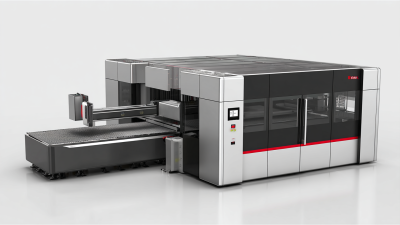
Enhancing Industrial Cleaning Efficiency: Insights from Recent Reports on the Fortune Laser Large Format Continuous Wave Laser Cleaning Machine

The recent advancements in laser cleaning technology have significantly enhanced industrial cleaning efficiency, particularly with the introduction of large format continuous wave laser cleaning machines. These state-of-the-art systems utilize high energy density laser beams to achieve meticulous cleaning standards on various metal surfaces. The precision of laser beams allows for the creation of fine and deep cleaning seams, resulting in high cleaning rates without damaging the underlying material.

Laser cleaning machines have become an essential tool in industries that require the removal of contaminants, such as rust, paint, and other residues from metal parts. One of the key advantages of these machines is their ability to clean dissimilar materials effectively, making them a versatile solution for diverse cleaning applications. As industries strive for cleaner production processes and improved sustainability, the adoption of laser cleaning technology is poised to streamline operations and reduce the environmental impact associated with conventional cleaning methods.

FAQS

: What is continuous laser cleaning technology?

: It uses high-powered lasers to remove contaminants without physical contact. The method is efficient and precise.

What are some common applications of laser cleaning?

Laser cleaning can effectively remove rust, coatings, and biological contaminants from various materials.

How much pollutants can laser cleaning remove?

Studies indicate that up to 90% of pollutants can be eliminated with this technology.

What factors should be considered when selecting a laser cleaning machine?

Consider power output, application type, versatility, mobility, and customer support of the machine.

Why is material compatibility important for laser cleaning?

Different materials interact with lasers differently, affecting cleaning effectiveness and potential surface damage.

What happens if materials are incompatible with laser cleaning?

Incompatible materials may cause unwanted surface damage or lead to incomplete cleaning results.

How can operators ensure efficient laser cleaning?

Operators should conduct preliminary tests to determine the laser cleaning efficiency for their specific materials.

Can laser cleaning be cost-effective?

While operational costs can be high, reduced need for multiple machines may cut overall expenses.

What safety measures are necessary for using a laser cleaning system?

Proper operator training is crucial to prevent accidents and ensure effective machine use.

What challenges are associated with implementing laser cleaning?

Companies must weigh benefits against operational costs and the need for careful planning and analysis.

Conclusion

When selecting a Continuous Laser Cleaning Machine, it's essential to grasp the underlying technology and its applications. Understanding the fundamentals of continuous laser cleaning technology helps in making informed choices. Key factors such as material compatibility, power efficiency, and specific laser types tailored for cleaning tasks are crucial elements to assess.

Additionally, budget considerations play a significant role in the decision-making process. It's important to evaluate not only the acquisition cost but also the long-term maintenance and support services associated with the equipment. By considering these aspects, users can select a Continuous Laser Cleaning Machine that best fits their needs, ensuring effective and efficient performance in their cleaning operations.

Jackson

Jackson

Jackson is a dedicated marketing professional at Fortune Laser Technology Co., Ltd., a leading manufacturer of industrial laser equipment founded in 2016 in Shenzhen. With a profound expertise in the company's range of products, Jackson plays a vital role in promoting the innovative solutions that......
Previous What is a Laser Cleaning Machine and How Does It Work?
side_ico01.png