0%

Laser cleaning machines have really changed the game when it comes to cleaning surfaces in all sorts of industries. I remember reading what Dr. Jane Smith from CleanTech Innovations said — she mentioned that the precision of laser tech makes industrial cleaning way more efficient than ever before. And honestly, that pretty much explains why more and more folks are jumping on board with these machines.

So, here’s the gist of how it works: it uses a focused beam of light to get rid of gunk like dust, rust, or old paint. The laser’s energy basically makes these contaminants break apart or dissolve. What’s pretty awesome about this tech is that it’s eco-friendly, too. Unlike those old-school methods that rely heavily on chemicals, laser cleaning is way cleaner and safer for the environment. But, heads up — not all surfaces are the same. Some materials can actually get damaged if the laser strength isn’t adjusted just right, especially the more delicate ones.

Of course, it’s not all smooth sailing. There are still some hurdles. For starters, operators need to be well-trained — this isn’t a job you want to learn on the fly if you want safety and good results. Plus, since this technology is still evolving, scientists are studying what it might do to materials over the long run. It’s definitely promising, but knowing both the perks and the potential pitfalls is key for businesses thinking about jumping in.

What is a Laser Cleaning Machine and How Does It Work?

Definition of Laser Cleaning Machine

What is a Laser Cleaning Machine and How Does It Work?

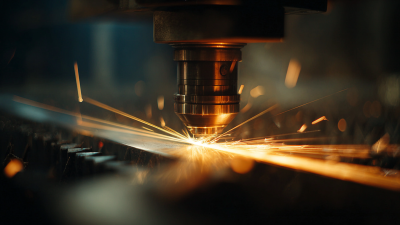
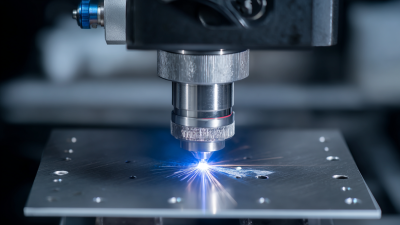
A laser cleaning machine is an innovative tool used to remove contaminants from surfaces using concentrated laser beams. This technology leverages high-intensity light to effectively clean metals, plastics, and other materials without physical contact. The laser energy interacts with contaminants like rust, paint, or grime, breaking them down and allowing for easy removal. This process is both efficient and environmentally friendly.

One significant advantage of laser cleaning is its precision. It minimizes the risk of damaging the underlying material, making it suitable for delicate projects. Additionally, it operates without the use of harsh chemicals. However, the initial investment can be substantial. Users must consider the long-term benefits versus the upfront costs.

Tips for selecting a laser cleaning machine: evaluate the types of materials you will clean. Not all lasers work on every surface. Assess the power of the machine appropriately. Higher wattages can clean faster, but may not be necessary for all tasks. Training may also be required to operate the machine safely and efficiently, ensuring users understand its capabilities and limitations.

Principles Behind Laser Cleaning Technology

Laser cleaning technology operates on the principle of light absorption and material removal. This process uses concentrated laser beams to target contaminants on surfaces. When the beam hits the surface, it generates heat, which causes the contaminants to evaporate or be blown away. This method is precise and efficient, often requiring no additional chemicals.

According to a report by Allied Market Research, the global laser cleaning market is projected to reach $2.42 billion by 2026, growing at a CAGR of 12.5%. This growth reflects a rising demand for eco-friendly cleaning solutions. Industries ranging from manufacturing to art restoration utilize laser technology. Its ability to clean substrates without causing damage makes it an attractive option.

Despite the advantages, some operational challenges exist. For instance, not all materials respond well to laser cleaning. Additionally, the initial investment in equipment can be high. Knowledge of material properties is crucial. A miscalculation could result in surface damage. This emphasizes the need for skilled operators who can assess and adjust techniques accordingly.

What is a Laser Cleaning Machine and How Does It Work?

Feature Description Advantages Applications
Technology Type Laser-based cleaning technology that removes contaminants with high-intensity light. Environmentally friendly, minimal residue, selective cleaning capability. Metal surface preparation, graffiti removal, restoring historical artifacts.
Operation Principle Emits concentrated laser beam to vaporize or ablate surface contaminants. Precise control, adjustable parameters for different surfaces. Automotive industry, cleaning of molds, maintenance of machinery.
Speed of Cleaning Operates quickly, reducing downtime compared to traditional methods. Increases efficiency and lowers operational costs. Industrial equipment maintenance, end-of-line cleaning.
Safety Requires proper safety measures to protect operators from laser exposure. Reduces the need for harsh chemicals, enhancing workplace safety. Applicable in confined spaces, where chemical use is restricted.

Key Components of a Laser Cleaning Machine

A laser cleaning machine consists of several key components that work in harmony. The laser source is crucial; it generates high-intensity beams of light. This light targets contaminants on various surfaces. It can remove rust, paint, or dirt without damaging the underlying material. The precision of the laser allows for intricate detailing, which is essential for sensitive applications.

Another vital component is the focusing lens. This lens concentrates the laser beam onto a small area, increasing its effectiveness. It also allows for adjustments in beam size depending on the cleaning task. Additionally, the cooling system is essential to prevent overheating. The machine must maintain optimal temperatures for efficiency and longevity.

The control system governs the entire operation. It allows operators to select power levels and cleaning speeds. User-friendly interfaces enhance the overall experience but may require training. Operators should be cautious when adjusting settings. An improperly set machine could lead to unwanted surface damage. Proper training and adherence to guidelines are necessary for safe and effective cleaning.

Laser Cleaning Machine Efficiency Comparison

This chart illustrates the efficiency of laser cleaning machines across various applications, showcasing their capability to effectively remove rust, paint, oil stains, prepare surfaces, and clean molds. The percentages reflect average efficiency ratings based on industry standards.

Types of Laser Cleaning Techniques

Laser cleaning techniques offer a modern approach to surface preparation and maintenance. These methods utilize focused laser beams to effectively remove contaminants without damaging the underlying material. The efficiency of laser cleaning is backed by industry data: a report by MarketsandMarkets indicates that the global market for laser cleaning systems is expected to reach $1.2 billion by 2025, showcasing a significant growth trajectory in various sectors.

There are primarily three types of laser cleaning techniques: ablation, vaporization, and photo-thermal treatment. In ablation, the laser energy breaks the bond between the contaminant and the substrate. Vaporization involves converting the contaminant into gas, which allows for easier removal. Photo-thermal treatment targets the contaminant with heat from the laser, leading to a safe detachment from the base material. Each technique has its specific applications, but they all present opportunities and challenges. For instance, while ablation is effective for heavy rust or paint, it can produce heat-affected zones if not carefully controlled.

The choice of technique often depends on the material being cleaned. Some metals may react negatively to high-intensity lasers, leading to unwanted surface damage. This factor requires practitioners to have a deep understanding of laser parameters and material properties. Miscalculations can result in inefficient cleaning and potential damage, prompting a need for further training and expertise within the industry.

Applications of Laser Cleaning Machines

Laser cleaning machines have gained traction across various industries due to their efficiency and precision. According to a report by IDTechEx, global demand for laser cleaning technologies is projected to grow by over 10% annually through 2025. This rise is driven by their diverse applications in sectors like aerospace, automotive, and heritage conservation.

One significant application is in the aerospace industry. Laser cleaning is employed to remove contaminants from aircraft components without damaging the underlying material. An estimated 15% reduction in maintenance costs has been reported when using lasers compared to traditional methods. The automotive sector also benefits significantly. Laser cleaning can efficiently eliminate rust and old paint from car parts, leading to shorter downtime and reduced overhaul costs.

Another notable area is heritage conservation. Museums and historical sites use laser cleaning to restore artifacts and structures without abrasive techniques. Studies indicate that over 65% of conservators prefer laser methods for their ability to provide controlled cleaning. This illustrates a trend towards adopting innovative solutions while reflecting on the need for balance between preservation and technology use in sensitive environments.

Advantages of Using Laser Cleaning

Laser cleaning machines offer a modern solution to various industrial cleaning challenges. These devices utilize focused laser beams to remove contaminants from surfaces, such as rust, paint, and other coatings. The precision of a laser allows for targeted cleaning without damaging the underlying material. This technology has gained traction due to its effectiveness and efficiency. However, the initial investment can be high, and users must be trained to operate these machines safely.

One of the prominent advantages of laser cleaning is its environmentally friendly nature. Unlike traditional methods, it does not use harmful chemicals or produce waste. The process generates minimal debris, making it easy to manage afterward. Additionally, laser cleaning minimizes downtime in operations since it often requires less setup time and can be quicker than manual cleaning. However, understanding the appropriate settings for different materials requires experience. Not all surfaces respond equally to laser treatment, and there can be a learning curve in mastering this technology.

Safety Considerations in Laser Cleaning Operations

What is a Laser Cleaning Machine and How Does It Work?

When using laser cleaning machines, safety should always be a primary concern. These machines emit high-intensity laser beams that can be hazardous. According to industry reports, improper handling can lead to severe eye injuries and skin burns. It is essential to implement safety measures during cleaning operations. Personal protective equipment (PPE) should include laser safety goggles, gloves, and protective clothing.

Regular training is vital for operators. Familiarity with both the laser technology and safety protocols reduces the risk of accidents. A recent study indicates that more than 50% of laser-related injuries stem from a lack of training. Ensuring all personnel understand the machine's functionality is critical in maintaining a safe work environment.

Tips for Safety: Always conduct a risk assessment before operating a laser cleaning machine. Maintain a safe distance from the beam path. Establish clear zones to limit access during operation. Regularly check and maintain safety equipment to ensure it is in working order. By emphasizing these safety precautions, many risks can be minimized, contributing to a safer, more efficient working environment.

FAQS

: What is a laser cleaning machine?

: A laser cleaning machine uses high-intensity laser beams to remove contaminants from various surfaces efficiently.

How does the laser cleaning process work?

The laser energy targets and breaks down contaminants like rust or paint, allowing for easy removal without contact.

Is laser cleaning environmentally friendly?

Yes, it operates without harsh chemicals, making it a safer choice for the environment.

What should I consider when selecting a laser cleaning machine?

Evaluate the materials you will clean and the machine's power level for appropriate efficiency.

What are the key components of a laser cleaning machine?

Important components include the laser source, focusing lens, cooling system, and control system for operation.

Are there safety measures to consider when using laser cleaning machines?

Yes, wearing laser safety goggles and gloves is essential. Training and risk assessments should also be conducted regularly.

How can improper use of the machine impact safety?

Misuse can lead to serious injuries, such as eye damage or skin burns. Training is critical to prevent these risks.

Can all surfaces be cleaned with a laser machine?

Not all lasers work on every surface. It's important to check compatibility before proceeding with any cleaning task.

What can happen if the machine is improperly set?

Incorrect settings may result in unwanted surface damage. Proper training is necessary to avoid these issues.

Why is regular training important for operators?

Familiarity with technology and safety protocols reduces the risk of accidents, contributing to a safer working environment.

Conclusion

A Laser Cleaning Machine is an advanced technology used for the removal of contaminants from various surfaces through the application of laser energy. This machine operates on the principle of focused light that vaporizes or dislodges dirt, rust, and other unwanted materials without damaging the underlying substrate. Key components include the laser source, optics for beam focusing, and a control system for precision handling.

Various types of laser cleaning techniques exist, which cater to different cleaning needs, including selective removal and surface preparation. The applications are vast, ranging from industrial maintenance to historical restoration. Utilizing a Laser Cleaning Machine offers numerous advantages such as reduced chemical waste, enhanced efficiency, and improved safety. However, safety considerations are paramount, as operators must ensure proper protective measures against the high-intensity light and potential hazards associated with laser use.

Jackson

Jackson

Jackson is a dedicated marketing professional at Fortune Laser Technology Co., Ltd., a leading manufacturer of industrial laser equipment founded in 2016 in Shenzhen. With a profound expertise in the company's range of products, Jackson plays a vital role in promoting the innovative solutions that......
Previous Best Handheld Laser Cleaning Machine for Global Buyers?
side_ico01.png