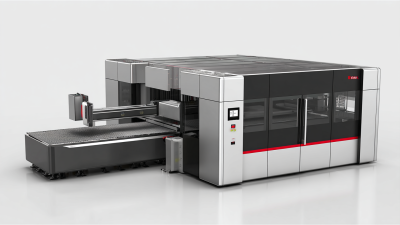
When you're actually trying to pick out a Continuous Laser Cleaning Machine, it’s pretty important to understand the little details. Dr. John Smith from LaserTech Innovations, an industry guy I really trust, says it best: "Picking the right machine can really make a big difference in how efficient your cleaning process is." That kind of advice just shows how crucial it is to really know your stuff in this niche.
These lasers are loaded with advanced tech and can be used for all sorts of cleaning jobs. But here’s the thing—things like power, how easy it is to move around, and how much it costs to operate all matter. Honestly, with so many options out there, even folks who’ve been in the game a while get overwhelmed. It’s not just about grabbing the newest or most expensive one; rushing in without understanding what you need can lead to messing up your investment.
So, digging into the specs is a must if you want to get this right. It’s about finding a good middle ground between what you need and what you can afford. Doing some research and reading reviews from pros can really help clear things up. But keep in mind—just because a machine is top-of-the-line doesn’t mean it’ll work perfectly for every job you throw at it. Knowing what its limits are is key to making sure you get the best results and avoid headaches down the line.
A continuous laser cleaning machine is a revolutionary tool in surface preparation and restoration. Unlike traditional cleaning methods, it uses high-intensity laser beams to remove contaminants like rust, paint, and dirt. This technology ensures a non-contact approach, minimizing damage to the underlying material. The process is both efficient and environmentally friendly, as it reduces chemical usage and waste.
The mechanics involve finely tuned laser parameters to achieve precise cleaning results. Operators need adequate training to ensure they use the equipment effectively. Misuse can lead to uneven cleaning or material damage, highlighting the need for expertise. Maintenance is also crucial. Over time, lasers can lose intensity, requiring regular checks to ensure peak performance. Users must balance laser power with the substrate’s resilience, as too much intensity can cause harm. Understanding these intricacies is vital for optimal results.
When choosing a continuous laser cleaning machine, it is essential to focus on key features that enhance its effectiveness. Look for machines with adjustable power settings. This allows users to customize the intensity of the laser based on the material being cleaned. Some materials may require a gentler touch, while others can handle a more aggressive approach. Versatility in power settings is crucial for different applications.
Another important feature is the mobility of the machine. A lightweight and portable design increases usability, especially in large-scale operations. It enables operators to reach tight spaces without hassle. Additionally, consider the ease of use of the user interface. Intuitive controls can significantly reduce the learning curve for new users. They facilitate quick adjustments during operation, improving efficiency.
Safety features also deserve special attention. Look for machines equipped with safety locks and emergency shut-off mechanisms. These features protect operators from accidents. While many machines claim to be user-friendly, some might overlook essential safety aspects. Proper training on machine use is necessary, even if the device appears simple. Always conduct research to ensure you understand both the benefits and potential pitfalls of the technology.
Choosing the right continuous laser cleaning machine involves several key factors. Power is critical. Higher wattage often results in faster cleaning but may also require more precise handling. Assess your cleaning needs carefully. If you're dealing with delicate surfaces, a lower power option may be more suitable to avoid damage.
Machine versatility is another important aspect. Different materials require different settings. A good machine should handle metals, plastics, and composites with ease. Check if it offers adjustable settings. This flexibility can save time and ensure efficient cleaning.
Consider the machine's maintenance requirements, too. Regular upkeep is crucial for longevity. Some systems may need frequent calibrations, while others are more user-friendly. Look for machines that offer clear maintenance guidelines. Efficiency in upkeep can lead to less downtime. Always seek feedback from real users to understand their experiences.
When selecting a continuous laser cleaning machine, it's essential to understand the types available. Different models serve various industries and tasks. Fiber lasers are prevalent for their efficiency in removing rust, paint, and contaminants from metal surfaces. They generate a focused beam of light, ensuring precise cleaning without damage.
Another option is CO2 lasers. These are particularly effective on organic materials and work well in applications like artwork restoration or cleaning delicate surfaces. Their longer wavelength allows them to interact effectively with such materials, but they are generally less effective on metals. It’s a trade-off in choice based on your cleaning needs.
Consider also portable models. They provide flexibility and can be used on-site, making them ideal for maintenance operations. However, their power and effectiveness might be lower than stationary models. Users sometimes find themselves weighing portability against performance. The ideal machine will truly depend on specific cleaning requirements and environments. These choices require careful evaluation to avoid frustrations later.
When considering the purchase of a continuous laser cleaning machine, cost is a critical factor. The initial price can vary significantly based on features and specifications. Budget constraints may lead to tough choices. Investing in a lower-cost machine might seem appealing, but it could compromise quality and efficiency. Understanding long-term costs is crucial.
Maintenance expenses add to the overall investment. Laser cleaning machines require regular upkeep. This routine care can impact operational efficiency. If ignored, small issues can escalate into costly repairs. It’s essential to factor in these potential costs when budgeting. Additionally, energy consumption affects operational expenses. Machines with better energy efficiency could save significant money over time.
The potential return on investment (ROI) is another aspect to ponder. A higher upfront cost may lead to greater productivity and lower labor costs. Assessing how quickly the machine pays for itself is essential. However, it's worth remembering that technology evolves. What seems like the best choice today may require reevaluation in the future. Consider your specific cleaning needs and how they might change over time. Balancing initial costs with long-term benefits and potential upgrades requires careful thought.
When selecting a continuous laser cleaning machine, maintenance and support are vital aspects. Regular upkeep ensures optimal performance, extending the machine’s lifespan. Research indicates that well-maintained systems can increase operational efficiency by up to 20%. Scheduled maintenance not only prevents unexpected breakdowns but also reduces long-term costs.
Tip: Establish a maintenance schedule based on hours of operation. This proactive measure helps catch issues early. Keep records to track service history. Such diligence enhances the reliability of your cleaning system.
Support from manufacturers is another key factor. A responsive support team can provide assistance during critical moments. According to industry studies, timely support reduces downtime by 30%. It's essential to evaluate a service provider's reputation before making a purchase. Engaging with user reviews and expert analyses can guide your decision.
Tip: Choose a provider that offers comprehensive training sessions. Knowledgeable staff can operate machinery more effectively. Investing in training enhances safety and efficiency in the workplace, ensuring that your operations run smoothly.
Laser cleaning technology has transformed various industries, providing efficient and eco-friendly solutions. In manufacturing, it removes rust, coatings, and contaminants from metal surfaces. This process ensures better adhesion for paints and coatings. The aerospace sector also benefits. Laser cleaning helps maintain aircraft components, enhancing performance and safety.
Another key application is in conservation. Museums and art restorers utilize laser cleaning to preserve delicate artifacts. This method effectively removes dirt without damaging the original material. In the automotive industry, laser cleaning improves the quality of parts before assembly. High precision is essential here to avoid costly errors.
Despite its advantages, challenges exist. Choosing the right laser cleaning machine can be overwhelming. Different machines serve varying purposes. Assessing specific needs is crucial. Each application has distinct requirements, influencing the effectiveness of the laser system. Understanding these factors is vital for successful implementation.
The Fortune Laser Portable Mini Fiber Laser Cleaning Machine is a groundbreaking innovation in the field of industrial cleaning. Designed with ultra-small dimensions, this machine offers unparalleled portability, making it an ideal companion for various cleaning tasks in diverse environments. Its lightweight construction allows users to easily carry and operate it, ensuring that it can be transported to any location where cleaning is needed, whether in tight spaces or expansive outdoor settings.
One of the standout features of this cleaning machine is its backpackable design, which enhances mobility for technicians and industrial workers alike. This convenience is paired with a safety lock mechanism, ensuring the equipment is secure during transport and operational use. The machine excels at removing stubborn contaminants like rust, oil, and oxide layers. As efficiency becomes increasingly critical in industrial settings, this innovative cleaning solution provides a quick and effective means to maintain equipment and surfaces, ultimately leading to improved productivity and reduced downtime.
: Power and versatility are key factors. Higher wattage can clean faster but may require careful handling.
Regular maintenance is crucial. It extends lifespan and can increase efficiency by up to 20%.
Yes, adjustable settings are important. They help handle different materials effectively and save time.
User feedback is essential. It provides insights on performance and helps you make informed choices.
Establish a maintenance schedule. Keeping records of service history helps catch issues early.
Responsive support can reduce downtime by 30%. Evaluate the provider’s reputation before purchasing.
Opt for comprehensive training. Knowledgeable staff can improve safety and efficiency during operations.
Yes, delicate surfaces require lower power options to avoid damage. Assess your specific cleaning needs.
Some machines need frequent calibrations. Look for user-friendly systems with clear maintenance guidelines.
Absolutely. Timely support from manufacturers can be crucial during operational challenges.
A Continuous Laser Cleaning Machine is an advanced solution for removing contaminants and surface impurities from various materials through high-intensity laser beams. When selecting the best machine, it's essential to consider key features such as power output, portability, and user-friendliness, as well as operational factors like the materials you'll be working with and the specific cleaning requirements.
Various types of Continuous Laser Cleaning Machines are available, each suited for different applications across multiple industries, from automotive to heritage preservation. Cost considerations are also vital; potential buyers should weigh the initial investment against long-term operational costs and maintenance requirements. Additionally, ensure that reliable support and maintenance services are accessible to maximize the machine's efficiency and lifespan. Understanding these aspects will help in making an informed choice suited to your cleaning needs.