0%

The Handheld Laser Cleaning Machine is really changing the game across many industries. It’s pretty impressive—by 2026, experts expect the global market to hit around $1.5 billion. No joke! You can see it’s got serious potential. What makes this machine stand out is its efficiency and precision, making it perfect for stuff like removing rust or prepping surfaces. Honestly, it’s a pretty handy tool.

According to a report from ResearchAndMarkets, people are really jumping on the laser cleaning bandwagon. The eco-friendly aspect is a big part of why it’s so popular right now—no harsh chemicals needed to get rid of contaminants, which is a huge win for the environment. That said, not everyone’s super familiar with how to get the most out of these machines—like the proper settings or maintenance. Because of that, some users end up not working at their best or risking the machine’s longevity.

A lot of buyers are still figuring out all the ways this technology can help them. They need to think about factors like running costs and how much training will be required. When those challenges are addressed, people can use these machines more effectively and get better value out of them over time. The goal here is to help buyers worldwide make smarter, more informed choices about the Handheld Laser Cleaning Machine—and how to get the most out of it.

Top Handheld Laser Cleaning Machine Benefits for Global Buyers?

Overview of Handheld Laser Cleaning Machines

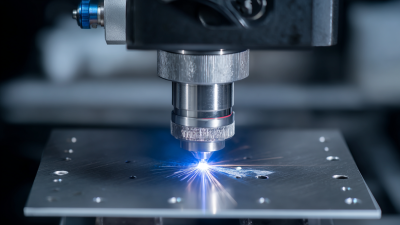
Handheld laser cleaning machines are revolutionizing surface treatment across various industries. These innovative tools utilize high-intensity laser beams to remove rust, paint, and contaminants with precision and minimal environmental impact. Unlike traditional methods, they do not produce harmful chemicals or waste. Users can easily maneuver these devices, making them suitable for intricate tasks and tight spaces.

The technology behind these machines is impressive. They leverage focused energy to vaporize unwanted materials instantly. This results in a clean surface without damaging the underlying material. The process is fast and efficient, reducing downtime during maintenance. Users often report increased efficiency and improved safety in their operations when using handheld laser cleaning machines.

While beneficial, it's crucial to understand the learning curve associated with operating these devices. Proper training is necessary to maximize their potential. Users must also be cautious about safety protocols. Even though lasers are powerful cleaning tools, mishandling can lead to hazards. Investing time in understanding machine capabilities is vital for successful implementation in any project.

Key Advantages of Using Handheld Laser Cleaning Technology

Handheld laser cleaning technology offers distinct advantages for various industries. One main benefit is its efficiency. This method minimizes waste and reduces cleanup time significantly. It targets specific contaminants without damaging the underlying material, which is essential for preserving valuable surfaces. Additionally, laser cleaning systems are highly portable, which aids in accessing hard-to-reach areas.

When considering a handheld laser cleaning machine, note that its precision leads to less rework. Fewer mistakes mean savings in labor and materials. Moreover, the environmental factor cannot be ignored. Lasers require no harsh chemicals, making them eco-friendly. This appeal fits well within today's sustainability trends.

Tips: Always evaluate the specific cleaning requirements before choosing a system. Understand the material types and contaminants. Regular maintenance is crucial to ensure peak performance of the device. Also, invest in operator training to maximize safety and efficiency.

Efficiency and Speed: Comparing Laser Cleaning with Traditional Methods

Laser cleaning technology has emerged as a game-changer in surface cleaning. Compared to traditional cleaning methods, laser cleaning offers remarkable efficiency. Laser systems can quickly remove rust, paint, and contaminants with precision. The process minimizes damage to the underlying material, which is often an issue with abrasive methods.

Speed is another standout feature. Laser cleaning can complete tasks significantly faster than conventional approaches. For instance, cleaning a large surface area takes less time, reducing labor costs. Operators can easily adjust the laser parameters for various surfaces, making it more versatile.

Yet, not every user finds laser cleaning flawless. Initial costs can be high, creating a barrier for some buyers. Additionally, some environments may not fully support this technology, leading to questions about its practicality. Furthermore, while lasers are efficient, their effectiveness can depend on the operator’s skill and knowledge. Understanding these factors is crucial for making informed buying decisions.

Cost-Effectiveness: Long-Term Savings for Global Buyers

The demand for handheld laser cleaning machines continues to grow among global buyers. One of the most compelling advantages is cost-effectiveness. These machines not only reduce cleaning time but also minimize material waste. This leads to substantial savings in the long run.

Investing in a handheld laser cleaner can significantly reduce operational costs. Traditional cleaning methods often require chemicals, disposable materials, or extensive labor hours. Laser cleaning, however, involves minimal consumables. This means fewer recurring expenses, allowing businesses to allocate resources more efficiently.

Tips: Evaluate your current cleaning expenses. Identify which methods are most costly. Consider how a handheld laser cleaner can streamline your processes.

Moreover, laser cleaning technology improves maintenance cycles. With effective cleaning, machinery and equipment last longer. This minimizes the need for frequent replacements, creating further savings.

Tips: Periodically assess the condition of your equipment. Look for signs of wear and ask if your current cleaning method is contributing to damage.

While the initial investment may seem high, the long-term savings are evident. Global buyers should weigh the immediate costs against ongoing savings. The benefits can be substantial, offering a path to sustainable and cost-effective cleaning solutions.

Versatility: Applications of Handheld Laser Cleaning in Various Industries

Laser cleaning technology has evolved significantly, offering versatile applications across various industries. This technique uses high-intensity laser beams to remove contaminants like rust, paint, and dirt from surfaces. It has gained attention in sectors such as automotive, aerospace, and historical preservation. According to a report by Research and Markets, the global laser cleaning market is projected to reach $1.15 billion by 2027, reflecting a compound annual growth rate (CAGR) of 12.8%. This growth highlights the increasing recognition of laser cleaning for its efficiency and precision.

In the automotive industry, laser cleaning is acclaimed for its ability to prepare surfaces for coating, ensuring enhanced adhesion. This method reduces the use of harmful chemicals, aligning with sustainability goals. Equipment manufacturers estimate that using laser cleaning systems can cut preparation time by 90%. Similarly, in aerospace, laser technology is crucial for maintaining aircraft surfaces, especially in removing tough coatings. Yet, the adaptation process can be resource-intensive and may initially require training for effective implementation.

While handheld laser cleaning machines offer exciting options, there are challenges. Operators must understand the technology to avoid damaging substrates. Each application can vary based on material and type of contaminant. The initial costs may deter small businesses. However, the long-term benefits often outweigh these uncertainties, leading to improved surface quality and reduced waste in cleaning operations. The evolution of handheld laser cleaning machines is reshaping these industries, prompting ongoing discussions about optimization and best practices.

Environmental Benefits: Reducing Chemical Waste and Pollution

The shift toward handheld laser cleaning machines marks a significant advancement in environmental practices. These machines reduce the need for harsh chemicals traditionally used in cleaning. In fact, studies show that laser cleaning can cut down chemical waste by up to 90%. This drastically lowers pollution levels and protects our ecosystems.
Laser cleaning technology works by using focused light to eliminate contaminants. This method generates minimal secondary waste, which is a major issue with chemical cleaning agents. According to the International Journal of Environmental Science and Technology, the reduction of harmful emissions contributes to better air quality. Less chemical runoff means healthier soil and water systems.

Despite these benefits, challenges remain. Transitioning to laser cleaning requires investment in training and equipment. Not every industry is ready to embrace this change. Additionally, while laser cleaning is highly effective, it may not be suitable for all surfaces or materials, necessitating further research. Users should consider these factors carefully before making the switch.

Future Trends in Handheld Laser Cleaning Technology

The handheld laser cleaning technology is rapidly evolving. According to a recent market report, the global handheld laser cleaning market is expected to grow at a CAGR of 12% over the next five years. This growth is largely driven by its increasing applications across various industries, including aerospace, automotive, and conservation.

One of the key trends is the shift towards eco-friendly cleaning solutions. Handheld laser cleaners use minimal water and produce little waste, making them more sustainable than traditional methods. Their precision reduces the risk of damage to materials, ensuring that surfaces remain intact. This is particularly valuable in the restoration of historical artifacts, where meticulous care is required.

Additionally, advancements in laser power and portability are making these tools more accessible. Users can handle more extensive projects with ease. The integration of smart technology allows for real-time monitoring and adjustments, enhancing efficiency. However, as this technology progresses, users must also consider training and operational safety to maximize its potential while minimizing risks. This focus on responsible usage is essential as the market continues to expand.

Top Handheld Laser Cleaning Machine Benefits for Global Buyers

Advancements in Laser Technology: The Impact of the FL-C300N 200/300W Portable Pulse Laser Cleaning Machine on Industrial Cleaning Efficiency

Advancements in laser technology have ushered in a new era of efficiency in industrial cleaning processes. The FL-C300N 200/300W Portable Pulse Laser Cleaning Machine epitomizes this technological leap, providing a powerful solution for a variety of surface contaminants including rust, paint, and oil. Unlike traditional cleaning methods, this state-of-the-art machine utilizes non-contact and high-precision techniques to effectively remove harmful residues without compromising the integrity of the underlying material.

This innovative laser cleaning technology not only enhances efficiency but also promotes environmental sustainability. By eliminating the need for harsh chemicals and abrasive materials, it offers a cleaner, safer alternative for workshop environments. The portability of the FL-C300N enables it to be easily maneuvered across different workspaces, making it an invaluable tool for industries seeking to optimize their cleaning processes while reducing downtime. As industries strive toward greater efficiency, the integration of advanced laser cleaning solutions stands out as a transformative approach to maintaining equipment and surfaces.

FAQS

: What is a primary benefit of handheld laser cleaning technology?

: It offers efficiency by minimizing waste and reducing cleanup time significantly.

How does laser cleaning affect underlying materials?

Laser cleaning targets specific contaminants without damaging the underlying material.

Why is environmental impact important in cleaning technologies?

Lasers require no harsh chemicals, making them eco-friendly and sustainable.

What should be evaluated before choosing a handheld laser cleaning system?

It's important to understand the specific cleaning requirements and the types of materials involved.

How can regular maintenance affect laser cleaning devices?

Regular maintenance ensures peak performance and longevity of the device.

What industry applications are driving the growth of handheld laser cleaning?

Industries like aerospace, automotive, and conservation are increasingly adopting this technology.

Why is the precision of laser cleaning significant?

It reduces the risk of damage to materials, which is crucial for artifact restoration.

What advancements are making handheld laser cleaners more accessible?

Improvements in laser power and portability enhance user experience for larger projects.

How does smart technology integrate with handheld laser cleaners?

Smart technology allows for real-time monitoring and adjustments to enhance cleaning efficiency.

What are some user considerations as laser cleaning technology evolves?

Training and operational safety are crucial to maximize potential and minimize risks.

Conclusion

The article "Top Handheld Laser Cleaning Machine Benefits for Global Buyers" highlights the numerous advantages of using handheld laser cleaning technology across various industries. These machines offer enhanced efficiency and speed, significantly outpacing traditional cleaning methods. Their cost-effectiveness becomes apparent over time, as they lead to substantial savings for users. The versatility of handheld laser cleaning machines allows for applications in diverse fields, from manufacturing to restoration, making them an attractive option for global buyers.

Additionally, these machines contribute to environmental sustainability by minimizing chemical waste and reducing pollution associated with conventional cleaning processes. As the demand for efficient, eco-friendly solutions increases, the future trends of handheld laser cleaning technology indicate ongoing innovations that will further benefit users and industries worldwide.

Emily

Emily

Emily is a dedicated marketing professional at Fortune Laser Technology Co., Ltd., a leading manufacturer of industrial laser equipment founded in 2016 and based in Shenzhen. With a robust understanding of the company’s core offerings, Emily plays a crucial role in bridging the gap between......
Previous Best Pulse Laser Cleaning Machine for Efficient Surface Cleaning?
Next How to Choose the Best Laser Rust Removal Machine for Your Needs?
side_ico01.png