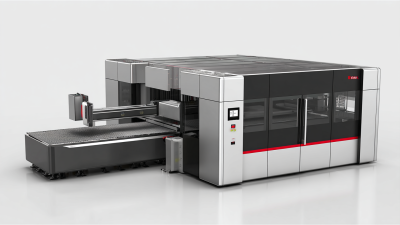
Lately, there's been a real buzz around OEM Laser Cleaning Machines. More and more companies are on the hunt for effective surface cleaning solutions that actually work without the fuss. These machines use cutting-edge laser tech to get rid of stuff like rust, paint, or grime in a pretty clean and non-toxic way. Honestly, they make surface prep way easier and safer.
You'll notice that a few brands, like CleanTech and LaserPro, have really made a name for themselves with reliable models. But, when you're picking a laser cleaner, it’s good to weigh things like power, how portable it is, and how much maintenance it needs. The best choice usually depends on what exactly you’re trying to do.
That said, a word of caution — not all products out there come with solid support or good reviews. Doing a bit of homework by checking out customer feedback and expert opinions can really save your skin down the line. Investing in an OEM Laser Cleaning Machine can definitely boost your workflow, but taking the time to understand what’s out there is super important for making the right call.
Laser cleaning technology has gained significant traction in various industries due to its efficiency and effectiveness. This advanced method utilizes high-powered lasers to remove contaminants from surfaces, such as rust, paint, and grease. According to a report by MarketsandMarkets, the laser cleaning market is projected to grow from $495 million in 2023 to $1,145 million by 2028, highlighting its increasing adoption.
Applications of laser cleaning are diverse. Industries like aerospace, automotive, and art conservation benefit from this technology. For instance, in aerospace, laser cleaning prepares surfaces for painting or repairs, ensuring better adhesion and longevity of protective coatings. Importantly, laser cleaning minimizes waste, producing minimal debris compared to traditional methods. This aligns well with the growing emphasis on eco-friendly practices.
Tip: Regular maintenance of laser cleaning machines enhances performance. Keeping lenses clean will ensure optimum beam concentration. Consider conducting routine checks to avoid unexpected downtimes.
In some instances, users may encounter challenges like uneven cleaning results or equipment overheating. Users must adjust laser parameters according to material types to achieve uniform results. Understanding the nuances of different surface materials is crucial for effective cleaning. It's worth noting that trial and error may be necessary to perfect the process.
When selecting the best OEM laser cleaning machines, several key criteria must be considered. One of the primary factors is the laser power. The ideal power output varies depending on the application, with many industries requiring machines that operate between 100W to 1000W for optimal performance. According to a recent report by Grand View Research, the laser cleaning market is expected to reach a valuation of USD 3 billion by 2027, reflecting the growing reliance on effective cleaning technology.
Another essential criterion is the machine's operational efficiency. Users often report that machines with adjustable cleaning speeds and modes provide greater versatility. For instance, machines that incorporate AI technology can adapt their cleaning processes in real time, enhancing their capabilities. Moreover, ease of maintenance cannot be overlooked. Machines that require minimal downtime for servicing often lead to better overall productivity, contributing to a 30% increase in operational efficiency as indicated by a study from MarketsandMarkets.
Additionally, the reliability of the machine should be assessed based on user reviews and service history. Feedback from existing users can reveal potential areas of concern. While many machines boast high performance, issues may arise regarding their durability and long-term maintenance. Choosing a model with proven reliability could prevent costly breakdowns in the future. Evaluating these criteria thoroughly ensures making an informed decision that aligns with specific cleaning needs.
Laser cleaning technology has gained traction for its efficiency and precision in surface preparation. OEM laser cleaning machines stand out with advanced specifications that cater to various surfaces and materials. They utilize focused laser beams to remove rust, paint, and contaminants without damaging the underlying structure. The key features to consider include wattage, cleaning speed, and adjustable settings to optimize performance for specific tasks.
These machines offer versatility across industries. In automotive manufacturing, they can clean metal surfaces effectively. In historical preservation, they delicately restore artifacts without harming them. The portability of many models enhances their utility, allowing for easy maneuverability on different job sites. However, these machines can be costly, and operators must be trained adequately.
Maintenance should not be overlooked. Regular checks are vital to ensure optimal functioning. While laser cleaning is effective, the necessity of understanding the machine specifications cannot be emphasized enough. Operators must balance efficiency with safety, especially when working in sensitive environments. With careful consideration, OEM laser cleaning machines provide significant benefits for high-quality surface cleaning.
| Model | Power (kW) | Cleaning Width (mm) | Weight (kg) | Application | Portability |
|---|---|---|---|---|---|
| Model A | 1.5 | 100 | 50 | Rust Removal | Portable |
| Model B | 2.0 | 150 | 70 | Paint Removal | Stationary |
| Model C | 2.5 | 200 | 80 | Industrial Cleaning | Portable |
| Model D | 3.0 | 250 | 90 | Weld Cleaning | Stationary |
| Model E | 1.8 | 120 | 60 | Contamination Removal | Portable |
| Model F | 2.2 | 180 | 75 | Oxide Layer Removal | Stationary |
| Model G | 1.0 | 80 | 40 | Surface Preparation | Portable |
| Model H | 2.8 | 220 | 85 | Graffiti Removal | Stationary |
| Model I | 3.5 | 300 | 95 | Heavy Duty Cleaning | Stationary |
| Model J | 1.2 | 90 | 55 | Light Surface Cleaning | Portable |
When it comes to laser cleaning machines, performance and efficiency are crucial factors to consider. These machines use advanced technology to remove contaminants from surfaces without damaging the material underneath. Their effectiveness can vary based on several parameters, including power output, beam quality, and operational speed.
High-performance laser cleaning machines can complete jobs more quickly, optimizing productivity. A machine with adjustable power settings allows operators to tailor the cleaning process to specific materials and contaminants. This adaptability enhances efficiency, but it can also complicate the operation for untrained staff. Users need to understand how each setting impacts cleaning results.
One challenge in selecting the best machine is the trade-off between power and precision. More powerful lasers may achieve faster results but can risk damaging delicate surfaces. A balance must be struck to ensure that efficiency does not come at the cost of effectiveness. Therefore, evaluating user experience and performance feedback is vital. This analysis can guide potential buyers in making informed decisions tailored to their specific needs.
When considering laser cleaning solutions, budget plays a crucial role. Investing in technology can be daunting. It's essential to assess your specific needs before diving in. A well-planned budget accounts for both initial costs and ongoing maintenance. This helps prevent overspending later.
Different machines come with varying price points. Some may seem affordable but have hidden costs. Repair and replacement parts can add up quickly. Think about the lifespan of the equipment as well. A less expensive option today could lead to higher costs down the line if it fails more often.
Researching and comparing options is key. Look for reputable manufacturers with proven track records. Understanding the technology helps in making informed decisions. Seek advice from experts in the field. They can provide insights beyond the specifications on a product sheet. An informed choice enhances reliability and performance, ultimately affecting your bottom line.
Laser cleaning machines can significantly enhance efficiency in surface cleaning. However, maintenance and support are crucial for optimizing their performance. Regular check-ups can prevent minor issues from becoming major problems. Operators should be trained to identify wear and tear signs. This proactive approach ensures that machines run smoothly and last longer.
Tips: Always keep the laser optics clean. Dust and residue can impede performance. Schedule maintenance during low-usage periods to minimize downtime.
Support options vary among manufacturers. Some offer extensive online resources. Others provide on-site assistance. It's essential to understand warranty terms and service agreements. Not all services are equal. Research the level of technical support and parts availability.
Tips: Log service dates and repairs. This practice helps keep track of potential recurring issues. A detailed history can inform future maintenance decisions and prevent surprises.
Laser cleaning technology is evolving rapidly, introducing innovative ways to enhance surface cleaning. This method utilizes high-intensity light beams to remove contaminants. Traditional cleaning methods often fall short, leaving residues behind. Laser solutions offer precision, reaching hidden areas that brushes and chemicals cannot.
Future trends indicate a push towards automation and integration with robotic systems. Automated laser cleaners can work continuously and efficiently. However, adapting to various surfaces remains a challenge. Research into optimizing laser wavelengths is underway, aiming for better results on diverse materials.
Sustainability is another significant trend. With increasing environmental concerns, industries are shifting towards eco-friendly cleaning solutions. Laser cleaning produces minimal waste and reduces chemical usage, aligning with green practices. While these advancements are promising, ongoing tests are crucial for ensuring reliability across all applications.
Revolutionizing your cleaning process is now more attainable with the innovative 500W Water Cooling Laser Cleaning Machine. This cutting-edge device not only enhances efficiency but also offers flexibility through its adjustable parameters, allowing you to customize the cleaning process according to various surfaces and materials. Whether you're tackling industrial-grade grime or delicate substrates, this laser cleaning solution adapts seamlessly, ensuring optimal performance every time.
The machine's simple and compact appearance makes it user-friendly, while its integrated design of buttons and handles enhances operational convenience. You don’t need to be a cleaning expert to use this device effectively; its intuitive layout allows for easy access to controls and adjustments. Furthermore, the availability of 12 different modes enables quick switching between various cleaning requirements, empowering users to tackle diverse cleaning tasks swiftly and efficiently. With the ability to be used for extended periods, this reliable cleaning machine promises sustained performance, making it a smart investment for various cleaning applications.
: Laser cleaning technology is used for efficient surface preparation. It removes rust, paint, and contaminants effectively.
Key features include wattage, cleaning speed, and adjustable settings for specific tasks.
Yes, these machines are versatile and can clean various materials across multiple industries.
Operator training is very important. Proper training ensures safety and optimal use of the machines.
Consider initial costs, ongoing maintenance, and potential hidden costs like repairs and parts replacement.
Regular maintenance ensures machines work optimally. Neglect can lead to performance issues and costly repairs.
Yes, many models are portable, making them easy to move between job sites.
Cheaper options could have hidden costs and may require more repairs over time.
Research aids in understanding technology and comparing different machines for reliable performance.
Risks include safety hazards in sensitive areas and potential damage to materials if not used correctly.
The article "Top 10 OEM Laser Cleaning Machines for Efficient Surface Cleaning" provides a comprehensive overview of laser cleaning technology, highlighting its growing applications across various industries. It discusses the essential criteria for selecting the best OEM laser cleaning machines, including factors like efficiency, adaptability, and durability.
The article then presents a detailed list of the top ten OEM laser cleaning machines, outlining their key features and specifications. A comparative analysis is conducted to evaluate their performance and efficiency, while also addressing cost considerations for businesses looking to invest in these solutions. Additionally, maintenance and support aspects are examined to ensure optimal machine performance. Finally, the article explores future trends in laser cleaning technology, emphasizing the innovative developments that promise to enhance cleaning efficiency and effectiveness.