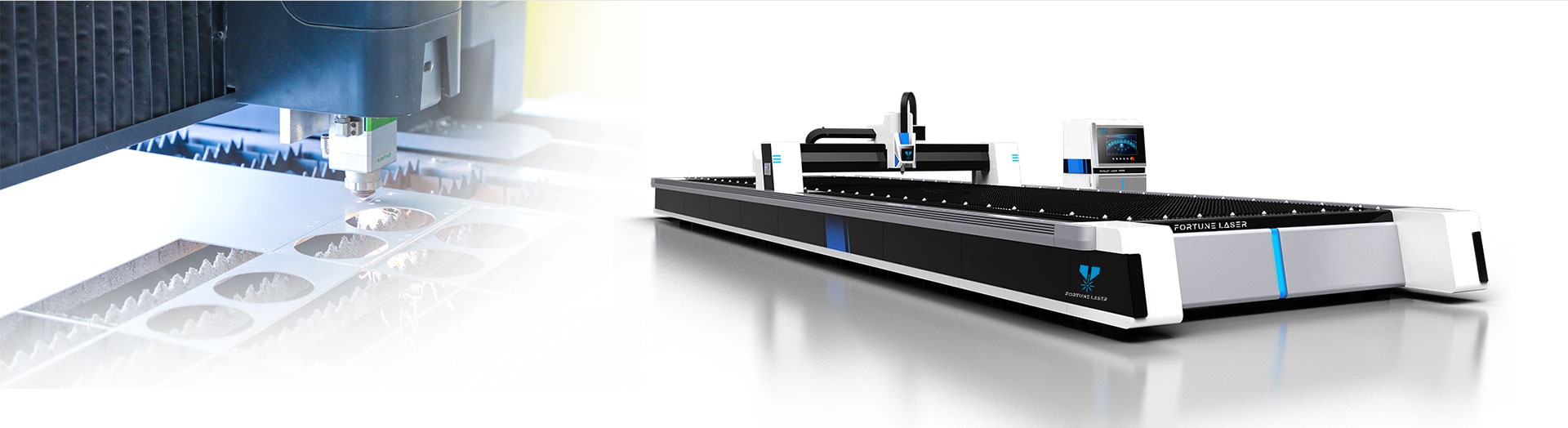


Industrial restoration and architectural conservation demand extreme precision; for this reason, a laser wood paint stripper represents the technological pinnacle for removing coatings without damaging the underlying substrate. Traditional methods, such as abrasive sandblasting and toxic chemical solvents, degrade surfaces and drastically increase the Total Cost of Ownership (TCO) due to downtime and hazardous waste disposal costs. Leveraging photothermal vaporization, this non-contact technology eliminates paint, resins, and contaminants while fully preserving the structural and historical integrity of the wood.
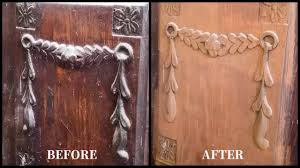
The Science of Laser Ablation on Wood
The principle behind laser paint stripping is photothermal ablation. A highly concentrated beam of light (typically with a 1064 nm wavelength in fiber optic systems) is directed onto the painted surface. The paint absorbs this light energy and, upon reaching a specific thermal threshold, instantly sublimates, transforming into a gas (plasma).
The crucial factor for treating wood is “thermal confinement.” By delivering energy in ultra-short pulses measured in nanoseconds (ns), the heat does not have time to transfer deeply into the material. The underlying wood, having a different optical absorption rate, reflects the residual energy without suffering burns or grain alterations, leaving the Heat-Affected Zone (HAZ) virtually nonexistent. For operational safety, the generated fumes must be immediately extracted at the source using localized extraction systems equipped with HEPA and activated carbon filters.
Pulsed Laser vs. Continuous Wave (CW) Laser
For B2B procurement, distinguishing between beam emission modes is the most critical parameter to avoid catastrophic product damage.
-
Pulsed Laser (MOPA/Fiber): This is the mandatory industry standard for wood. These systems emit bursts of energy at extremely high frequencies (e.g., 20-200 kHz) with adjustable pulse widths from 2 to 500 ns. This allows the paint to be fragmented without transferring lethal heat to the substrate, making it ideal for thin veneers and antique furniture.
-
Continuous Wave (CW) Laser: Emits an uninterrupted beam of extremely high-temperature energy (often between 1000W and 3000W). While excellent for removing heavy rust from structural steel or ship hulls, a CW laser will instantly burn, cut, or carbonize organic materials like wood. It is entirely unsuitable for wood paint stripping.
Laser Paint Stripping vs. Traditional Methods
To justify capital expenditure (CapEx), operations teams must compare lasers with sandblasting and chemical strippers in terms of Overall Equipment Effectiveness (OEE) and safety.
Sandblasting removes contaminants but inevitably damages the work layer (substrate) due to kinetic impact. Chemical solvents generate volatile organic compounds (VOCs) and toxic sludge that is expensive to dispose of. The laser entirely eliminates spending on consumables and bottlenecks related to waste disposal.
Compliance and Laser Safety (Class 4)
Safety note: The following information reflects general regulatory parameters; always consult a corporate safety expert for practical implementation in your specific region.
Industrial laser cleaning systems (from 100W upwards) are high-power machines classified as Class 4 Lasers. Their professional use is strictly regulated to protect operators.
-
Risk Assessment: Occupational health and safety regulations mandate the evaluation of worker exposure to artificial optical radiation. It is mandatory to update corporate safety documents with a specific “laser risk assessment.”
-
Laser Safety Officer (LSO): To manage these systems compliantly, companies should appoint or consult a qualified Laser Safety Officer responsible for defining preventive measures and emergency procedures.
-
ISO 11553-1:2021 Standard: Purchased or rented machinery must comply with the ISO 11553-1:2021 standard, which specifies safety design requirements for laser processing machines (including interlocks, integrated guards, and proper manual documentation).
-
Personal Protective Equipment (PPE): Since the 1064 nm beam is invisible to the human eye, accidental exposure or specular reflection can cause instantaneous blindness. It is imperative to isolate the work area with optical shielding barriers and equip personnel with safety goggles featuring the correct Optical Density (OD) rating certified for the machine’s specific wavelength.
Conclusions and Next Steps for Businesses
Transitioning to photothermal ablation systems means reducing environmental impact and slashing variable costs (disposable PPE, solvents, waste disposal). Although the initial capital expenditure (CapEx) for an industrial pulsed system is significant, the elimination of product damage, the absence of consumables, and the drastic reduction in cycle times lead to an exceptionally favorable TCO in continuous production and restoration scenarios.
Next Step for Decision Makers: Before purchasing, request an Application Audit. Schedule tests on the specific wood samples from your production cycle to calculate the exact removal speed (m²/h) required. Simultaneously, ensure you integrate training courses for safety certifications (Class 4/LSO) into your company’s rollout plan.
Post time: Feb-20-2026