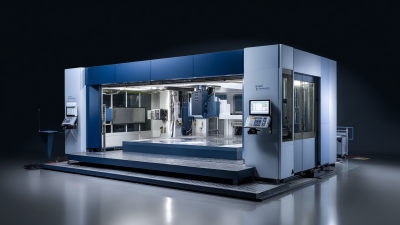
Laser cleaning equipment has really turned into a game-changer when it comes to surface cleaning. Companies like CleanLaser and Laser Dynamics are seeing more and more demand for this kind of tech. In fact, industry experts are predicting a compound annual growth rate of around 6.5% over the next five years. It’s pretty clear that we’re witnessing a shift towards more innovative, high-tech cleaning methods.
What’s cool about laser cleaning is how precise and efficient it is. It can take off stuff like rust or old paint without messing up the surface underneath. Compared to traditional methods like sandblasting—that often generate a lot of waste and maybe even harmful chemicals—laser cleaning offers a more sustainable, eco-friendly alternative. Still, a lot of businesses are sticking to those old-school ways despite the obvious benefits of laser tech.
That said, not everyone’s jumping on board just yet. For smaller companies, the initial cost of laser cleaning equipment can seem pretty steep, which makes them hesitant. They might not be seeing the big picture, like how much money they could save in the long run through less labor, less waste, and fewer chemical expenses. It’s really all about weighing the short-term costs against the long-term gains. As more companies start to realize these advantages and adopt the technology, the industry as a whole is bound to keep evolving and getting better.

Benefits of Laser Cleaning Technology for Surface Cleaning
Laser cleaning technology offers unique benefits for surface cleaning. It uses focused beams of light to remove contaminants from various materials. This method is precise and can target specific areas without damaging the underlying surface. Unlike traditional methods, laser cleaning leaves no residue, which means less time spent on cleanup and preparation.
Many users appreciate the environmental advantages. Laser cleaning requires fewer chemicals, reducing harmful waste. This aligns well with sustainability goals. Furthermore, the energy efficiency of lasers can lower operating costs. However, some may find the initial investment steep. It's crucial to weigh these factors against long-term gains.
Inspecting results is essential. Laser cleaning can sometimes miss spots, leading to inconsistent surfaces. Regular maintenance of the equipment is necessary to ensure optimal performance. Users should remember that experience plays a role in effectiveness as well. Being aware of these nuances can aid in achieving better outcomes.
Comparative Analysis of Laser Cleaning vs. Traditional Methods
Laser cleaning technology offers a unique advantage over traditional methods. Unlike chemical solvents or abrasive materials, lasers utilize focused light to remove contaminants. This process is less likely to damage the underlying surface. For delicate surfaces—like metals, plastics, and glass—laser cleaning is often the safer choice.
Traditional cleaning methods can leave residues. Chemicals can harm the environment. Traditional scraping or blasting methods may scratch or alter surfaces. Users often find they require multiple passes, consuming more time and resources.
However, laser cleaning can be more efficient, sometimes achieving desired results in a single pass. Yet, the initial investment for laser equipment can be significant, requiring some thought before a purchase.
The precision of laser cleaning is commendable. It targets specific areas, ensuring effective removal without collateral damage. However, understanding the mechanics behind laser technology is crucial. Users must be trained properly to operate the equipment. Mistakes in settings can lead to ineffective cleaning or surface issues. Balancing efficiency and cost can be challenging, but the potential rewards are substantial.
The comparison reveals that while lasers are advanced, they may not suit every situation.
Understanding the Operating Principles of Laser Cleaning Equipment
Laser cleaning equipment operates on a simple yet effective principle. It uses high-intensity laser beams to remove unwanted materials from surfaces. These materials can include rust, paint, and contaminants. The intense light of the laser targets specific areas. As the light hits the surface, energy is absorbed, causing the contaminants to evaporate or fragment.
Tips for optimal use: Always adjust the laser settings based on the material type. Each surface responds differently to laser cleaning. Test on a small area first. This will help establish the best approach. Keep safety gear handy. Eye protection is essential when using lasers.
One challenge is maintaining consistency. Varying surface conditions can lead to uneven cleaning results. Sometimes, operators may over-focus in some spots, leaving others untouched. Pay attention to the movement speed of the equipment. Practice makes a difference here. With time, you can master the balance needed for thorough cleaning.
Tips: Regular maintenance of the laser equipment is key. Check for any wear and tear. A well-maintained system ensures consistent performance. Don't hesitate to seek help from experienced operators, too. They can share valuable insights.
Applications of Laser Cleaning in Various Industries
Laser cleaning technology has gained traction across various industries due to its efficiency and minimal environmental impact. In the manufacturing sector, for instance, laser cleaning effectively removes rust and contaminants without damaging the underlying surfaces. A study by the International Journal of Advanced Manufacturing Technology highlighted that laser cleaning can improve production efficiency by up to 30%. This means faster turnaround times and reduced downtime. Yet, the initial investment in laser cleaning systems can be daunting for smaller enterprises.
In the heritage conservation field, laser cleaning plays a vital role. It can restore artwork and historic buildings while preserving their integrity. Reports indicate that using lasers can achieve up to 95% efficiency in removing dirt or unwanted layers. However, the technology requires skilled operators. Misuse can lead to damage. Awareness about operational training is essential in this delicate process.
Environmental applications also showcase the versatility of laser cleaning. It aids in removing pollutants from water and contaminated soils. Laser cleaning technology contributes to sustainability. A report from the Environmental Protection Agency noted a reduction in hazardous waste generation, which is crucial for future environmental safety. Yet, the challenge remains in scaling this technology to be accessible for widespread use in these vital areas.
Applications of Laser Cleaning in Various Industries
Considerations When Choosing Laser Cleaning Equipment
When considering laser cleaning equipment, several factors come into play. First, efficiency is crucial. Laser cleaning can remove rust, paint, and contaminants effectively. However, the right power settings are necessary. Too much power may damage the surface. Not enough may leave residue behind. Achieving the perfect balance can be challenging.
Another important consideration is versatility. Laser systems can be used on various materials, such as metal, concrete, or plastics. However, specific lasers work better on certain surfaces. Researching the properties of your surfaces is key. Additionally, think about portability. Some equipment is lightweight and easy to move, while others require extensive setup. Convenient options can save time but might lack some features.
Finally, user training plays a vital role. Proper handling of laser equipment is essential for safety. Malfunctions can lead to costly repairs. Without training, users may struggle to achieve desired results. It's essential to invest in good training. Consider the overall budget as well. The initial cost is not the only thing to think about. Maintenance, repair, and operational costs add up over time. Balancing all these factors is not straightforward. Each decision impacts the efficiency and effectiveness of surface cleaning tasks.
Why Choose Laser Cleaning Equipment for Your Surface Cleaning Needs? - Considerations When Choosing Laser Cleaning Equipment
| Feature |
Description |
Benefits |
| Efficiency |
Laser cleaning can remove contaminants quickly without physical contact. |
Reduces cleaning time and increases productivity. |
| Environmentally Friendly |
Uses minimal chemicals or no chemicals in the cleaning process. |
Limits harmful waste and promotes sustainability. |
| Precision |
Allows for targeted cleaning of specific areas without affecting adjacent surfaces. |
Protects delicate materials from damage. |
| Cost-Effectiveness |
Reduces the need for traditional cleaning supplies and maintenance costs. |
Long-term savings and reduced operational costs. |
| Versatility |
Effective on various surfaces including metal, plastic, and glass. |
Can be used across multiple industries and applications. |
Environmental Impact and Sustainability of Laser Cleaning
Laser cleaning technology has gained attention for its environmental impact and sustainability. Unlike traditional methods, laser cleaning requires no chemicals. This reduces the risk of harmful waste. A report from the Environmental Protection Agency notes that over 30% of industrial cleaning chemicals contribute to air pollution. Without these chemicals, laser cleaning promotes a healthier work environment.
In addition to being chemical-free, laser cleaning minimizes water usage. According to industry studies, conventional cleaning methods can consume up to 300 liters of water per hour. Laser systems, however, significantly reduce this consumption, making them an eco-friendly option. Some researchers estimate that transitioning to laser cleaning could save millions of gallons of water annually in industrial applications.
Another important aspect is waste reduction. Traditional cleaning often creates debris that requires disposal. In contrast, laser cleaning effectively vaporizes contaminants, producing minimal waste. While laser cleaning technology shows promise, it still presents a challenge. The initial investment can be high, and some industries may find it difficult to adapt. Addressing these hurdles is essential for wider adoption of this sustainable technology.
Future Trends in Laser Cleaning Technology and Its Development
The future of laser cleaning technology looks promising. This method is becoming more advanced and efficient. Innovative laser sources and better optics are being developed. These changes enhance precision and reduce environmental impact. As manufacturers adopt these technologies, productivity is set to increase. The use of lasers means less waste and fewer harmful chemicals used in cleaning.
Tips: Always assess your surface material before choosing a laser cleaning device. Each type has its unique requirements. Research is crucial; it informs you about the best practices for optimal results.
Sustainable practices are essential in today's world. As industries face stricter regulations, laser cleaning equipment offers a viable solution. It provides a cost-effective alternative while ensuring safety. However, understanding the technology requires a willingness to learn. There might be a learning curve, but the benefits are clear. Adapting to these advancements can feel overwhelming, yet it's worth the effort.
FAQS
: Natural skincare often includes plant oils, herbal extracts, and essential oils. These are gentle on the skin.
Check the ingredient list. Look for recognizable, safe, and chemical-free components. Be cautious of vague terms.
Some users may experience sensitivity. Always patch test new products before full use. Listen to your skin’s reactions.
Identify your skin type. Choose products that target specific concerns like dryness, oiliness, or sensitivity.
Some may have slower visible results. They often lack harsh chemicals but require consistent use for desired outcomes.
Natural products generally last 6 to 12 months. Store them properly to ensure maximum freshness and potency.
Layering can be beneficial but overloading might irritate the skin. Simplify your routine if irritation occurs.
Pollution, weather, and UV exposure can harm the skin. Adjust your routine seasonally to protect against these elements.
Discontinue all products immediately. Rinse the affected area gently and consult a healthcare professional if necessary.
Assess your skin every few months. Changes in climate or skin condition may require adjustments to your routine.
Conclusion
Laser Cleaning Equipment has emerged as a revolutionary solution for surface cleaning needs, offering numerous benefits that set it apart from traditional methods. The technology harnesses focused laser beams to effectively remove contaminants without damaging the underlying substrate. This comparative analysis highlights its efficiency, precision, and minimal environmental impact. Various industries have adopted laser cleaning for applications ranging from restoration projects to industrial maintenance, underscoring its versatility.
When selecting Laser Cleaning Equipment, it's crucial to consider factors such as power requirements, portability, and specific cleaning applications. As the industry evolves, advancements in laser technology are paving the way for more sustainable cleaning solutions, further enhancing their appeal. The future trends indicate a growing adoption of laser cleaning processes driven by their ecological benefits and effectiveness, marking a significant shift in surface cleaning methodologies.