0%

Laser cleaner rust removal has really become a game-changer for quite a few industries dealing with rust problems. People in the field often point out how effective it is. Take John Smith from Advanced Laser Technologies—he mentions, ‘Laser cleaners turn rust removal into a precise and safe process,’ which really shows what this tech can do. It’s pretty impressive, honestly.

Switching to laser cleaning can seriously upgrade your maintenance game. Unlike those old-school methods, it’s way gentler on the surfaces underneath. But, here’s the thing—each material and surface might need some tweaking. Playing around with power settings and distances is pretty much part of the process if you wanna get the best results.

That said, it’s not exactly a walk in the park to get the hang of, at least initially. Operators will face a few hurdles for sure. Safety needs to be a top priority, too. Sometimes, things might not turn out exactly as planned, but that’s all part of the learning process. Every attempt teaches you something new—helps you understand what works and what doesn’t. Over time, you’ll really start to master the capabilities of laser cleaning for rust removal, and that makes all the difference.

How to Use Laser Cleaner for Effective Rust Removal?

Understanding Laser Cleaning Technology for Rust Removal

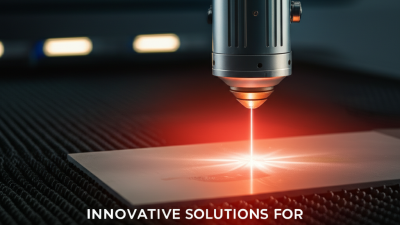
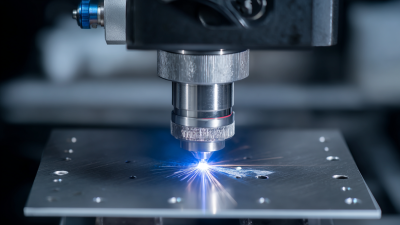
Laser cleaning technology is revolutionizing the way we approach rust removal. This method utilizes high-intensity lasers to target rust and contaminants on various surfaces. The laser's energy effectively breaks the bonds between rust and metal, allowing for precision cleaning without damaging the underlying material. It’s quick and efficient, but results can vary depending on the surface condition.

However, using laser cleaning technology comes with its challenges. Proper equipment settings must be established for different materials. The interaction between the laser and the surface needs careful calibration. If the power is too high, it risks burning the surface. Inadequate focus might leave rust behind. This requires operators to understand the nuances of various surfaces. Each cleaning scenario presents its own hurdles, demanding constant adjustment and attention.

Beyond the technical aspects, the environmental impact of laser cleaning also warrants consideration. Unlike chemical rust removers, laser cleaning generates less waste. However, energy consumption can be significant. Users must weigh the pros and cons. Reflecting on these factors is crucial for achieving the best results with this innovative technology.

Types of Laser Cleaners Available in the Market

Laser cleaning technology has gained traction in recent years. Different types of laser cleaners are available on the market, each offering unique features. These machines use focused laser beams to effectively remove rust and contaminants from various surfaces.

One popular type is the fiber laser cleaner. It's efficient and versatile. Fiber lasers are known for their precision. They can clean intricate parts without damaging the underlying material. Another option is the CO2 laser cleaner. This type is ideal for larger surfaces. It works well for rust removal on heavy machinery and vehicles.

Tips: When choosing a laser cleaner, consider your specific needs. Evaluate the size and type of the surfaces you need to clean. Also, remember to take safety precautions. Wear protective gear while operating laser cleaners. They can be powerful and require careful handling. Select a machine that fits your skill level as well.

Preparing the Surface Before Using a Laser Cleaner

Preparing the surface is crucial before using a laser cleaner. Start by inspecting the item for any loose rust or debris. Remove these elements manually; this ensures the laser can penetrate effectively. Use a brush or cloth for cleaning. Pay attention to corners where rust might hide. A clean surface enhances the laser's performance.

Next, consider the surrounding area. Is it cluttered? Clear the workspace to avoid distractions. A tidy environment helps maintain focus during the process. Ensure that the surface is stable and secure. An unstable surface can lead to mistakes and accidents.

Finally, wear proper safety gear. Goggles and gloves are essential. They protect you from potential hazards during cleaning. Reflect on your setup. Is it appropriate for the rust level? Not all surfaces react the same to laser technology. Some might require multiple passes. Patience is key; rushing could lead to incomplete cleaning.

Effectiveness of Different Rust Removal Techniques

Step-by-Step Guide to Using a Laser Cleaner for Rust Removal

Using a laser cleaner for rust removal can be a game-changer. This technology employs high-intensity laser beams to effectively remove rust from metal surfaces without damaging the material beneath. According to industry reports, laser cleaning can remove up to 99% of rust in one session, making it highly efficient compared to traditional methods.

When using a laser cleaner, start by assessing the condition of the rusted surface. Ensure the area is well-ventilated to avoid inhaling any particles. Position the laser at the appropriate distance, typically around 10 to 20 cm, to optimize the cleaning effect. Move the laser in a steady motion across the surface. It’s important not to linger too long in one spot as it may cause surface damage.

**Tips:** Always wear protective goggles while operating the laser. This will safeguard your eyes from the intense light. Test a small section first. This allows you to check how the material reacts before tackling the entire area.

Laser cleaning is precise but requires practice. You may find varying results on different materials. Some surfaces may reflect light differently and require adjustments in your technique. Regularly check the cleanliness of your lenses. A dirty lens can hinder performance and create inconsistent results.

Safety Precautions When Operating a Laser Cleaner

Operating a laser cleaner requires careful attention to safety. It’s essential to wear protective eyewear. The intense light from the laser can cause serious eye injuries. Additionally, appropriate clothing is crucial. Long sleeves and gloves can protect against accidental burns.

Ensure the workspace is clean and free of flammable materials. The laser can generate heat that may ignite nearby items. Having a fire extinguisher nearby is a good practice. Check the equipment before use. Malfunctioning parts can lead to accidents. It’s better to be cautious than to rush.

Understanding laser operation is important. Misalignment can cause uneven rust removal and may lead to damage on surfaces. Training is vital. If unsure, seek guidance from someone experienced. The learning curve can be steep, but it’s worth mastering. Safety is not just a precaution; it’s essential for effective rust removal.

Maintenance and Care for Your Laser Cleaner

How to Use Laser Cleaner for Effective Rust Removal?

Maintaining your laser cleaner is crucial for optimal rust removal. Regular checks on the lens and mirrors can significantly enhance performance. Dust or residue on optical surfaces can decrease efficiency by up to 30%. Ensure you clean these parts gently using a microfiber cloth. Avoid harsh chemicals that can damage the optics.

Check the water cooling system regularly. Overheating can lead to a 20% reduction in cleaning efficiency. Ensure the water levels are adequate and free of contaminants. Replace the water every few months to maintain cleanliness and functionality.

**Tips:** Always store your laser cleaner in a dry environment. This prevents moisture build-up, which can lead to corrosion. Utilize protective cases when transporting the unit. Simple measures can prolong its lifespan significantly. Keep a maintenance log to track any issues or repairs. It helps to identify patterns in performance drops.

Tips for Achieving the Best Results with Laser Cleaning

When using a laser cleaner for rust removal, preparation is key. Start by ensuring the surface is free of debris and dirt. This creates a better environment for the laser to work effectively. Use protective gear, like goggles and gloves, to safeguard against unexpected sparks or debris. Safety should always be a priority.

Adjust the laser settings according to the material type. Different materials may require different power levels and speeds. Take your time to test on a small area first; this helps to gauge effectiveness and adjust the technique as needed. A meticulous approach can lead to better outcomes, even if it takes longer.

After cleaning, inspect the surface closely. Some spots might still show rust or oxidation. It’s not always perfect on the first try. Repeat the process on stubborn areas, maintaining consistent distance and speed. This step shows patience pays off, even if it feels like a tedious process at times. Remember, achieving the best results is about persistence and fine-tuning your technique along the way.

How to Use Laser Cleaner for Effective Rust Removal? - Tips for Achieving the Best Results with Laser Cleaning

Tip Description Recommended Settings Safety Precautions
Clean Surface Ensure the surface is free of debris for optimal results. Adjust laser power to medium. Wear protective eyewear.
Choose Correct Lens Select a lens that matches the cleaning area. Use a focal length suitable for depth of rust. Ensure proper ventilation in workspace.
Adjust Speed Modify the speed of the laser to optimize cleaning. Start with a slower speed for tough rust. Use gloves and protective gear.
Test on Scrap Conduct a test on a scrap piece to calibrate. Vary settings based on initial results. Always have a fire extinguisher nearby.
Regular Maintenance Keep the laser cleaner in good condition. Schedule maintenance checks quarterly. Follow manufacturer’s maintenance guidelines.

FAQS

: What is the main purpose of the article?

: The article aims to provide insights and guidance on a specific topic.

Who can benefit from the information presented?

Anyone interested in the topic can benefit, especially beginners and enthusiasts.

How detailed is the information provided?

The information is thorough but may leave some questions unanswered.

Are there any common misconceptions addressed?

Yes, several misunderstandings are clarified throughout the text.

Can I apply the advice immediately?

Some tips are practical, while others may require further thought and planning.

Is expert knowledge necessary to understand the content?

No, the article is designed for all levels, but some concepts may challenge novices.

What kind of examples are used?

Real-life scenarios and case studies illustrate key points effectively.

Are there any limitations in the advice given?

Yes, some recommendations might not suit every individual’s situation.

How can I ensure I’m following best practices?

Regularly review updates and feedback in relevant communities or forums.

Is there a call to action?

Readers are encouraged to engage further and reflect on their own experiences.

Conclusion

Laser Cleaner Rust Removal is an innovative method that utilizes advanced laser technology to effectively eliminate rust and other contaminants from surfaces. Understanding the principles of laser cleaning technology is crucial for proper implementation. Various types of laser cleaners available in the market cater to different needs, making it essential to choose the right one for your specific application.

Preparation of the surface is vital to ensure optimal results; it includes cleaning off any loose debris before laser application. Following a step-by-step guide for using the laser cleaner can greatly enhance efficiency and effectiveness. Additionally, adhering to safety precautions while operating a laser cleaner is paramount to avoid accidents. Regular maintenance and care for your laser cleaner will prolong its lifespan, ensuring continued performance. By following these guidelines and tips, users can achieve the best results in laser cleaner rust removal, making surfaces clean and ready for use.

Clara

Clara

Clara is a dedicated marketing professional at Fortune Laser Technology Co., Ltd., a leading manufacturer of industrial laser equipment established in 2016 and based in Shenzhen. With a profound understanding of the company’s cutting-edge products and services, she plays a pivotal role in......
Previous 5 Reasons Why Best Laser Cleaning Car Parts Are Revolutionizing Automotive Maintenance
side_ico01.png