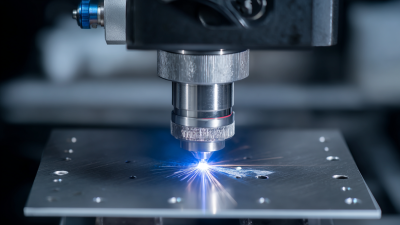
In recent years, the Handheld Laser Cleaner has revolutionized the way we approach surface cleaning and restoration. This innovative tool leverages precision laser technology to effectively remove rust, paint, and other contaminants from a variety of surfaces without the need for harmful chemicals or abrasive methods. As more professionals and DIY enthusiasts adopt this technology, maximizing its efficiency and effectiveness becomes paramount.
In this article, we will explore the top ten tips for using a Handheld Laser Cleaner to ensure optimal results. Whether you’re a seasoned user or new to the world of laser cleaning, understanding the nuances of this cutting-edge device will enhance your cleaning experience and outcome. By focusing on proper technique, safety measures, and maintenance best practices, users can achieve consistent and superior cleaning results, elevating their projects to new heights. Join us as we delve into these essential strategies for unlocking the full potential of your Handheld Laser Cleaner.

Understanding the Basics of Handheld Laser Cleaners
Handheld laser cleaners are innovative tools designed to remove contaminants from various surfaces using focused laser energy. Unlike traditional cleaning methods that rely on abrasive materials or chemicals, laser cleaning leverages the precision of light to eliminate rust, paint, dust, and other unwanted substances. This technology offers a non-contact and environmentally friendly alternative, making it increasingly popular in industries ranging from automotive to heritage conservation.
Understanding the basics of handheld laser cleaners involves grasping the fundamental principles of laser technology. The device emits a high-intensity laser beam that interacts with the contaminants on the surface, typically causing them to vaporize or break apart. The versatility of handheld laser cleaners allows them to be used on different materials, including metals, plastics, and stone, while minimizing damage to the underlying substrate. Additionally, operators need to be aware of safety precautions, such as wearing appropriate protective gear and ensuring proper handling techniques, to utilize these devices effectively and safely.
Choosing the Right Handheld Laser Cleaner for Your Needs
When selecting a handheld laser cleaner, it's essential to consider the specific needs of your projects. Different models and technologies offer varying levels of power, efficiency, and suitability for distinct cleaning tasks. Begin by assessing the types of materials you’ll be cleaning—metals, plastics, or organic surfaces may each require different laser settings and features. For example, if you're primarily working with intricate metal components, look for a cleaner with adjustable settings that can target rust, paint, or contaminants without damaging the underlying material.
Another critical factor to consider is the portability and ergonomics of the device. Since handheld laser cleaners are often used in diverse environments, a lightweight design with comfortable handling is vital for reducing fatigue during extended use. Additionally, check for features like built-in safety mechanisms, easy-to-navigate controls, and adequate battery life for your tasks. When you choose a cleaner that balances power and user-friendly features, you'll maximize your cleaning efficiency and maintain the quality of your work.
Preparing the Surface for Effective Laser Cleaning
When it comes to effective laser cleaning, one key aspect that cannot be overlooked is the preparation of the surface being treated. A clean and appropriately prepared surface allows the handheld laser cleaner to work more efficiently, significantly improving its effectiveness. According to recent studies, surface contaminants such as rust, dirt, and residues can absorb varying amounts of laser energy, which can impede the cleaning process. For optimal results, it's crucial to assess the specific nature of the contaminants and the surface material, allowing for a targeted approach that maximizes the laser's impact.
Proper surface preparation involves several key steps. First, performing a visual inspection helps in identifying the type and extent of contaminants present. For instance, a report from the Laser Institute of America indicates that cleaning metallic surfaces can be more effective with laser settings adjusted according to the material's reflectivity and absorption characteristics. Once contaminants are identified, methods such as pre-drying or removing loose debris can further enhance the laser cleaning process. A clean surface not only ensures better absorption of laser energy but also minimizes potential surface damage, ultimately leading to a longer lifespan for both the laser equipment and the surface materials being cleaned.
Top 10 Tips for Using a Handheld Laser Cleaner Effectively
Proper Handling and Safety Precautions When Using Laser Cleaners
When using a handheld laser cleaner, proper handling and safety precautions are paramount to ensure the safety of both the operator and the surrounding environment. First and foremost, always wear the appropriate personal protective equipment (PPE). This includes safety goggles designed to filter the specific wavelength of the laser being used, gloves that can protect against potential skin exposure, and protective clothing to shield against any accidental splatter from debris created during cleaning. Ensuring that the working area is clear of flammable materials and well-ventilated can also reduce the risk of accidents.
In addition to PPE, it's crucial to understand the operational controls and functionality of the device. Before starting any cleaning task, familiarize yourself with the manual and the safety features of the laser cleaner. This includes understanding how to adjust the power settings based on the type of material being cleaned, as well as knowing the safe distance to maintain from the surface to avoid unintended damage. Always conduct a risk assessment of the area to identify potential hazards and implement necessary safety measures. By prioritizing safety and proper handling techniques, users can maximize the effectiveness of their handheld laser cleaners while minimizing risk.
Techniques for Maximizing Cleaning Efficiency
When using a handheld laser cleaner, employing the right techniques can greatly enhance your cleaning efficiency. Recent studies suggest that the proper adjustment of laser power settings can increase the removal rate of contaminants by up to 40%. This not only speeds up the cleaning process but also reduces the amount of time spent on intricate jobs, making it a favorable choice for both industrial and residential applications.
One important tip is to maintain an optimal distance between the laser head and the surface being cleaned. According to experts, a distance of approximately 10 to 15 centimeters allows for a focused beam that effectively removes dirt and rust without damaging the material underneath. Additionally, utilizing consistent, sweeping motions can ensure an even distribution of cleaning energy, maximizing the laser’s effectiveness.
Another technique is to regularly inspect and clean the lens of the laser cleaner. Data indicates that a clean lens can improve laser output efficiency by up to 15%. This simple maintenance step prevents energy loss and ensures that the beam remains powerful for the duration of cleaning tasks. By implementing these strategies, users can significantly boost their cleaning output and enhance the longevity of their handheld laser cleaning equipment.
Maintenance Tips for Your Handheld Laser Cleaner
When it comes to maintaining your handheld laser cleaner, regular upkeep is essential to ensure its longevity and optimal performance. First and foremost, always keep the device clean by wiping down its exterior after each use. This prevents debris and residues from accumulating, which can affect both functionality and the laser's efficiency. Additionally, inspect the lens regularly for any signs of damage or buildup. Using a soft, lint-free cloth to clean the lens helps maintain clarity and ensures that the laser beam remains powerful and focused.
Battery care is another crucial aspect of maintenance. If your handheld laser cleaner operates on a rechargeable battery, make sure to follow the manufacturer's instructions regarding charging intervals and avoid overcharging. Keeping the battery contacts clean can also help in preventing connectivity issues. Finally, store the device in a cool, dry place when not in use, and consider using a protective case to shield it from dust and accidental damage. Proper maintenance not only enhances the device’s lifespan but also ensures that you get consistent cleaning results every time.
Top 10 Tips for Using a Handheld Laser Cleaner Effectively
| Tip Number |
Tip |
Description |
| 1 |
Read the Manual |
Familiarize yourself with the device and its features by thoroughly reading the manual. |
| 2 |
Use Appropriate Settings |
Select the correct power and speed settings based on the surface being cleaned. |
| 3 |
Keep a Safe Distance |
Maintain an optimal distance from the surface to avoid damage. |
| 4 |
Conduct a Test Spot |
Perform a test on a small area to ensure effective cleaning. |
| 5 |
Wear Protective Gear |
Always use proper safety equipment such as goggles and gloves. |
| 6 |
Avoid Overlapping |
Keep movements steady and avoid overlapping areas to prevent uneven cleaning. |
| 7 |
Clean Regularly |
Perform regular maintenance on the laser cleaner to keep it in top shape. |
| 8 |
Use in a Well-Ventilated Area |
Ensure adequate ventilation to avoid inhaling any fumes. |
| 9 |
Store Properly |
Keep the laser cleaner in a safe location when not in use to prevent damage. |
| 10 |
Seek Professional Help |
If unsure about operation, consult with a professional for guidance. |
Common Mistakes to Avoid When Using a Laser Cleaner
When using a handheld laser cleaner, avoiding common mistakes can significantly enhance both effectiveness and safety. One prevalent error is not adequately preparing the surface prior to cleaning. This preparation involves removing loose debris and ensuring the area is dry and clear, which allows the laser to work efficiently without obstruction. Neglecting this step can lead to uneven cleaning results and could potentially damage the material being cleaned.
Another mistake often made is incorrect distance and angle settings while operating the laser cleaner. Users may either hold the device too far from the surface or tilt it at inappropriate angles, leading to suboptimal cleaning outcomes. It’s essential to maintain a consistent distance, as listed in the user manual, and to adjust the angle to ensure a clean sweep across the entire surface area. This not only maximizes the effectiveness of the cleaning process but also minimizes the risk of collateral damage to surrounding materials.
FAQS
: Handheld laser cleaners are tools that use focused laser energy to remove contaminants such as rust, paint, and dust from various surfaces, providing a non-contact and environmentally friendly cleaning method.
They emit a high-intensity laser beam that interacts with surface contaminants, causing them to vaporize or break apart, while minimizing damage to the underlying materials.
Handheld laser cleaners can be used on various materials, including metals, plastics, and stone.
Consider the types of materials you will be cleaning, the power and efficiency of different models, portability, ergonomics, safety features, and battery life.
Safety precautions, including wearing protective gear, are essential to protect the operator from potential hazards associated with laser use.
They provide a non-contact cleaning solution that avoids the use of abrasive materials or chemicals, making them more environmentally friendly and reducing potential damage to surfaces.
Yes, their portability and ergonomic designs make them suitable for use in various environments, allowing for efficient cleaning tasks regardless of location.
No, different models are designed for specific tasks; it’s important to select one that meets the particular requirements of the materials being cleaned.
A lightweight and comfortable design helps reduce operator fatigue during extended use, enhancing overall cleaning efficiency.
Features such as built-in safety mechanisms, easy-to-navigate controls, and adequate battery life can significantly improve the usability and effectiveness of the device.
Conclusion
In the quest for effective cleaning solutions, a Handheld Laser Cleaner stands out for its efficiency and versatility. Understanding the basics of how these devices work is crucial for anyone looking to utilize one. When selecting a Handheld Laser Cleaner, it is essential to consider your specific needs, as different models offer various features and cleaning capabilities.
Preparation of the surface before cleaning can significantly enhance the effectiveness of the laser. Moreover, adhering to proper handling and safety precautions is vital to ensure safe operation. Implementing certain techniques can maximize cleaning efficiency, while regular maintenance of your device will prolong its lifespan. Lastly, being aware of common mistakes to avoid can help users achieve the best results. With these tips in mind, users can harness the full potential of their Handheld Laser Cleaner for superior cleaning outcomes.