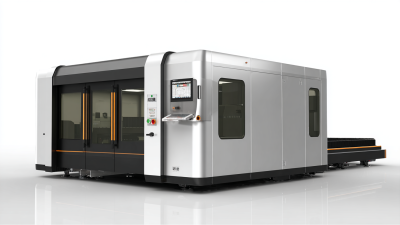
These days, there’s definitely a growing demand for flexible and efficient welding solutions in the industrial world. Among all the options out there, a Handheld Laser Welding Machine really catches the eye. People love it for its precision and quick performance—making it easier for operators to handle even the trickiest welding jobs without a fuss.
Lots of manufacturers are now coming out with innovative models. Names like Han's Laser, Trumpf, and IPG Photonics are pretty much leading the charge. Their machines are known for being reliable and high-performing. But, let’s be honest—not all machines are created equal. When you're shopping around, it’s super important to think about how durable they are and whether they’re user-friendly. The goal is to find a tool that’s both efficient and flexible enough to meet your needs.
Picking the right handheld laser welder isn’t just a matter of grabbing the cheapest one either. You’ve really gotta do some homework—consider the balance between cost and quality. A lot of users have shared that first-time setup and maintenance can sometimes be a bit of a headache. But, knowing these things upfront can definitely help you make smarter decisions. As the market keeps changing, staying up-to-date on the latest models and features is more important than ever.
Handheld laser welding machines have made significant strides in technology over recent years. These advancements enable more precise and efficient welding processes. Many industries are adopting this technology due to its benefits. The machines are increasingly compact, improving portability on job sites. Their efficiency reduces both welding time and costs, which appeals to manufacturers.
Moreover, the latest designs include user-friendly interfaces. This simplifies operation, even for those less experienced. The focus has shifted toward enhancing safety features. Operators are now better protected from laser exposure and fumes. Yet, challenges remain in training workers to maximize these machines' potential. Industry professionals still report a learning curve that can be daunting.
As technology evolves, so do the applications. Handheld laser welding is not just for metal anymore; plastic and composites are also being welded. This expansion brings new capabilities but also raises questions about limits and sustainability. Users must continuously evaluate if the equipment meets their needs effectively. As the market grows, so should the conversation about the responsible use of this technology.
When considering handheld laser welding machines,
key technical specifications play a crucial role.
Power output is paramount.
It directly affects welding speed and penetration.
Machines with lower power may struggle with thicker materials.
A balance must be struck between power and portability.
Some machines handle lightweight tasks well but falter in demanding scenarios.
Beam quality is another essential aspect.
A high-quality beam ensures precise welding.
It reduces heat-affected zones, leading to cleaner finishes.
Users should check for adjustable settings to fine-tune the beam to different materials.
However, finding the optimal beam quality can be tricky.
Each material reacts differently, and testing is essential to avoid poor results.
Cooling systems are vital for prolonged use.
Effective cooling prevents overheating, ensuring consistent performance.
Many machines now feature advanced cooling technology.
Yet, some models fall short, leading to frustrations during extensive projects.
A reliable cooling system is necessary for maximizing productivity.
Evaluating these technical specifications can lead to better-informed decisions.
The global demand for handheld laser welding machines is on the rise, driven by various industries' need for precision and efficiency. According to a recent market report, the handheld laser welding market is expected to grow at a compound annual growth rate (CAGR) of 15% from 2023 to 2030. This growth highlights a significant shift toward advanced welding technologies. Industries such as automotive, electronics, and aerospace are increasingly adopting these machines for their operational advantages.
Handheld laser welding offers unique benefits such as portability and ease of use. Operators can perform high-quality welds in difficult-to-reach areas. However, the technology is not without challenges. Training is essential to ensure safe and effective operation. There are also concerns about the cost of these machines, which can hinder adoption, especially among smaller businesses. While some reports indicate a growing number of manufacturers are entering this space, the overall market remains concentrated, showcasing varying degrees of product reliability and service capabilities.
As demand accelerates, innovations in lasers are enabling more versatility. For example, fiber lasers are becoming more common due to their efficiency. Yet, the industry must also address issues like equipment maintenance and the demand for skilled operators. These factors can complicate the growth trajectory of handheld laser welding solutions. In conclusion, the market's complexity reflects broader trends in technology adoption and workforce development.
Handheld laser welding machines have revolutionized metal fabrication and repair processes in recent years. Their portability and precision make them ideal for various applications. In 2023, there are several models worth considering for global buyers. Each offers unique features that cater to different needs and industries.
When evaluating these machines, consider power output, welding speed, and ease of use. Some models excel in lightweight designs, enhancing maneuverability. Others provide higher laser power, ideal for thicker materials. However, not all machines perform equally in diverse conditions. Some may struggle with heat control, leading to material distortion. Users should be aware of these potential limitations when selecting a machine.
Additionally, maintenance and support play critical roles. A reliable machine requires regular care and sometimes troubleshooting. User manuals may lack detailed instructions. Therefore, buyers should seek models with robust customer support systems. Understanding these intricacies ensures better investment and operational efficiency in the long run. The choice of a handheld laser welding machine should align with specific project demands and user expertise.
| Model | Wattage | Weight | Welding Speed | Price Range |
|---|---|---|---|---|
| A | 1000W | 5 kg | 2 m/min | $5000 - $7000 |
| B | 1500W | 6 kg | 3 m/min | $6000 - $8000 |
| C | 2000W | 7 kg | 4 m/min | $7000 - $9000 |
| D | 2500W | 8 kg | 5 m/min | $8000 - $10000 |
| E | 3000W | 9 kg | 6 m/min | $9000 - $12000 |
| F | 3500W | 10 kg | 7 m/min | $10000 - $13000 |
| G | 4000W | 11 kg | 8 m/min | $11000 - $15000 |
| H | 4500W | 12 kg | 9 m/min | $12000 - $16000 |
| I | 5000W | 13 kg | 10 m/min | $13000 - $18000 |
| J | 5500W | 14 kg | 11 m/min | $14000 - $20000 |
Handheld laser welding machines are transforming multiple industries, including automotive, electronics, and metal fabrication. These machines offer precision and versatility. According to recent industry reports, the global laser welding market is expected to grow at a CAGR of 6.2% through 2027. This growth indicates rising adoption in various sectors.
The automotive industry benefits greatly from handheld laser welding. It allows for accurate repairs and lightweight materials integration. In electronics, manufacturers use laser welding for small components. This ensures high-quality connections without damaging sensitive parts. Metal fabrication companies leverage this technology for on-site welding. It enhances productivity and reduces downtime. Yet, operators require training to use these machines safely.
Tip: Always wear protective gear when operating laser machines. This ensures safety and minimizes risks.
Moreover, while handheld laser welding provides efficiency, it's not without limitations. The machinery can be expensive, and the learning curve may pose challenges for new users. It’s imperative to evaluate costs versus benefits before investing.
Tip: Regular maintenance is essential for optimal performance. Neglecting this can lead to decreased efficiency.
Overall, these machines are reshaping manufacturing processes. Ongoing advancements will likely unlock new applications in the coming years.
Investing in handheld laser welding machines can be daunting. These devices offer advanced technology but come with significant costs. Buyers must evaluate the initial investment against potential returns. A key consideration is the efficiency of laser welding. It typically ensures cleaner welds, which can reduce post-processing time. This translates to savings on labor costs, increasing overall profitability.
Another aspect is maintenance. While these machines are robust, they require regular servicing. Unexpected repairs can eat into profit margins. Understanding warranty options and support is essential. Some buyers may hesitate to invest due to perceived complexities in operation. Yet, with proper training, operators can master the technology quickly. This skill enhancement adds value over time.
It's also vital to assess the market demand for laser-welded products. In some industries, quality and precision are non-negotiable. Businesses must weigh the benefits against market entry barriers. While upfront costs could be high, the right machine can boost competitiveness. Therefore, a thorough cost-benefit analysis enables informed decision-making. The path forward is not without challenges, but the rewards could be substantial for those prepared to take the plunge.
In recent years, the handheld laser welding market has seen substantial growth. Analysts predict a CAGR of around 15% from 2023 to 2028. This indicates significant technological advancements. Innovations in energy efficiency and portability are key trends driving this growth. For instance, new laser sources are making machines lighter. This enhances mobility without compromising performance.
Integration of smart technologies is also reshaping the market. Many machines now feature real-time monitoring systems. This allows operators to adjust parameters on the fly. A report from MarketsandMarkets noted that user-friendly interfaces are becoming a standard. Companies recognize the importance of easy operation with minimal training.
Tips for buyers: consider the machine's weight and energy consumption. Look for machines that offer adjustable power settings. These features enhance versatility and efficiency. As the market evolves, staying informed about trends will help make better purchasing decisions. New features and improvements can make a significant difference in production capabilities. Making informed choices can improve productivity and reduce costs in the long run.
This chart represents key specifications of the top handheld laser welding machines, showcasing their power, weight, operating speed, and cooling type. The data provides insights into the capabilities and performance metrics that are essential for global buyers to consider in the handheld laser welding market.
The handheld fiber laser welding machine represents a significant advancement in modern manufacturing, introducing innovative applications that revolutionize the welding process. Unlike traditional welding methods, this portable device operates without the need for pressure or a fixed optical path, allowing for a truly flexible welding experience. The high-energy intensity laser beam is directly applied to the material's surface, melting it from within. This non-contact operation not only enhances efficiency but also provides a cleaner and more precise welding seam.
One of the standout benefits of the handheld fiber laser welder is its adaptability in various environments, particularly outdoor applications where traditional welding methods may struggle. The ease of movement and extended welding distance facilitate operations in diverse settings, making it ideal for craftsmen and industrial projects alike. By filling the gap in handheld welding capabilities within the laser technology sector, this machine transforms the way welding tasks are approached, merging innovation with practicality. As industries continue to seek efficient and effective welding solutions, the handheld fiber laser welding machine establishes itself as a key tool in modern manufacturing.
: They offer precise, efficient welding. Compact designs improve portability. Reduced welding time and costs attract manufacturers.
Many machines feature simple interfaces. Less experienced users can operate them easily. However, training still poses challenges.
They can weld metals, plastics, and composites. This versatility expands their applications significantly.
High beam quality ensures precise welding. It minimizes heat-affected zones for cleaner finishes. Testing is needed to find the right settings.
Effective cooling prevents overheating. It ensures consistent performance during prolonged use. Some models struggle in this area.
Innovations in energy efficiency and portability are key. Smart technology integration is also on the rise.
Evaluate weight and energy consumption. Look for adjustable power settings for versatility. Stay informed about new features and trends.
There can be a learning curve for new operators. Some models may not perform well under demanding conditions.
Regularly assess if the equipment meets operational needs. Adapt usage based on material type and project demands.
The article "Top 10 Handheld Laser Welding Machines for Global Buyers" provides a comprehensive overview of the advancements in handheld laser welding machine technology. It highlights key technical specifications such as power output, beam quality, and cooling systems that are crucial for effective welding applications. The market analysis indicates a growing global demand for versatile handheld laser welding solutions across various industries, underscoring the machines' increasing relevance in manufacturing and repair sectors.
Furthermore, the comparative review of the top 10 handheld laser welding machines in 2023 offers insights into their performance and features, making it easier for buyers to make informed decisions. The article also examines user applications, showcasing industries that benefit from these machines. It concludes with a cost-benefit analysis, emphasizing the investment potential and return on handheld laser welding machines, while discussing future trends that promise to shape the market.