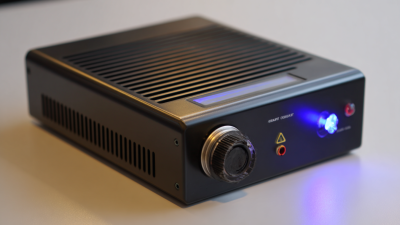
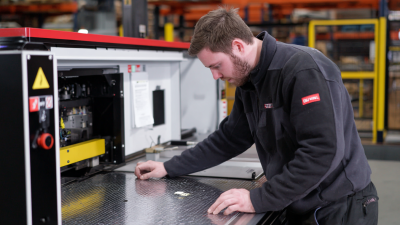
The industrial landscape is rapidly evolving, and one of the most significant advancements in cleaning technology is the introduction of the Pulse Laser Cleaning Machine. With its innovative approach to removing contaminants from surfaces, this technology offers a sustainable and efficient alternative to traditional cleaning methods. Industry expert Dr. Emily Thompson, a leading researcher in laser technology, states, "The Pulse Laser Cleaning Machine not only enhances performance but also reduces environmental impact, making it a game-changer for industrial applications."
The benefits of implementing Pulse Laser Cleaning Machines in various sectors such as manufacturing, automotive, and aerospace are profound. These machines utilize focused laser beams to effectively remove rust, paint, and other unwanted materials without harming the underlying substrate. Moreover, the precision and control provided by this technology allow for intricate cleaning tasks that were previously challenging or impossible.
As companies strive to improve operational efficiency while maintaining sustainability, the Pulse Laser Cleaning Machine emerges as a vital solution. Its ability to provide superior cleaning results with minimal waste positions it at the forefront of industrial cleaning technologies. As industries continue to adopt these advanced machines, the long-term advantages will undoubtedly reshape the standards of cleanliness and sustainability in industrial practices.

Overview of Pulse Laser Cleaning Technology
Pulse laser cleaning technology is an innovative approach used in various industrial applications, providing a highly efficient method for surface treatment and contamination removal. Unlike traditional cleaning methods, which often rely on abrasive materials or harsh chemicals, pulse laser cleaning utilizes concentrated laser beams to selectively ablate contaminants from surfaces. This technology effectively removes rust, paint, grease, and other unwanted residues without damaging the underlying material, making it suitable for sensitive applications.
The operation of pulse laser cleaning machines is characterized by short bursts of high-energy laser pulses aimed at the surface to be cleaned. These pulses generate rapid thermal expansion, causing contaminants to evaporate or be ejected from the surface. This precision allows for the cleaning of complex geometries and delicate components, which can be challenging for conventional methods. Additionally, the process is environmentally friendly, as it minimizes waste and eliminates the need for toxic cleaning agents, promoting sustainability in industrial practices.
Overall, pulse laser cleaning technology stands out due to its versatility and effectiveness in diverse industries, including aerospace, manufacturing, and restoration. Its capability to deliver high-quality cleaning results while reducing operational costs and environmental impact marks a significant advancement in industrial cleaning solutions.
Principles of Operation for Pulse Laser Cleaning Machines
Pulse laser cleaning machines utilize advanced laser technology to effectively remove contaminants from various surfaces in industrial applications. The fundamental principle of operation relies on the emission of short, intense pulses of laser light directed at the target surface. When the laser pulse hits the material, it generates a rapid increase in temperature, causing the contaminants to vaporize or be ejected from the substrate. This process is not only efficient but also highly precise, allowing for selective cleaning without damaging the underlying surface.
Furthermore, the versatility of pulse laser cleaning machines makes them suitable for a wide range of materials, including metals, plastics, and ceramics. The technology can be adjusted in terms of pulse duration and energy output to cater to the specific requirements of different cleaning tasks. This adaptability enhances the effectiveness of the cleaning process while minimizing waste and energy consumption.
Overall, the principles of operation of pulse laser cleaning machines showcase their potential to revolutionize industrial cleaning, offering a safe and sustainable alternative to traditional cleaning methods.
Key Advantages of Using Pulse Laser Cleaning in Industry
Pulse laser cleaning technology has emerged as a revolutionary method in industrial applications, offering several key advantages over traditional cleaning techniques. One major benefit is its precision; pulse laser cleaning allows for targeted removal of contaminants, including rust, paint, and oil, while preserving the underlying substrate. This precision minimizes the risk of damage to the surfaces being cleaned, making it ideal for delicate components commonly found in the aerospace and automotive industries.
Another significant advantage of pulse laser cleaning is its eco-friendliness. Unlike chemical cleaning agents that can be harmful to the environment, laser cleaning produces minimal waste and often requires no additional materials. The process generates only vapor and particulate matter, reducing the need for hazardous waste disposal. Additionally, the absence of chemicals means that there are no harmful emissions, making it a sustainable choice for manufacturers striving to enhance their environmental responsibility.
Furthermore, the automation capabilities of pulse laser cleaning systems can lead to increased efficiency and reduced labor costs, contributing to overall operational productivity in industrial settings.
Applications of Pulse Laser Cleaning Across Various Sectors
Pulse laser cleaning machines have found a wide array of applications across various industrial sectors due to their effectiveness and precision. In the manufacturing sector, these machines are increasingly used for surface preparation, where they provide a superior alternative to traditional abrasive cleaning methods. According to a recent report by the International Journal of Advanced Manufacturing Technology, laser cleaning can reach efficiencies exceeding 90%, significantly reducing wastage and improving product quality. The automotive industry has also embraced pulse laser cleaning for removing rust and contaminants from engine components, leading to enhanced performance and longevity of parts.
In the heritage conservation sector, pulse laser cleaning is utilized for the restoration of historical buildings and artifacts. This method allows for delicate cleaning of surfaces without the risk of damage, which is crucial for preserving the integrity of valuable cultural assets. A study from the Journal of Cultural Heritage highlights that laser cleaning can remove decades of grime while maintaining the original material structure, thus ensuring that restoration efforts are both effective and respectful of history.
Tips: When considering pulse laser cleaning, evaluate the specific requirements of your application carefully. Understanding the material composition and the type of contaminants present can help in selecting the right parameters for optimal results. Additionally, ensuring operator training can enhance safety and efficacy, leading to an overall better outcome in your cleaning processes.
Comparative Analysis: Pulse Laser Cleaning vs Traditional Methods
In recent years, pulse laser cleaning machines have gained significant traction in industrial applications, particularly when compared to traditional cleaning methods such as sandblasting and chemical cleaning. A comprehensive analysis of various studies indicates that pulse laser cleaning offers a non-abrasive and environmentally friendly alternative, minimizing the risks associated with hazardous chemicals and abrasive materials. According to a report by the American Coatings Association, traditional cleaning methods can generate up to 50% more waste, leading to increased disposal costs and environmental impact. Additionally, traditional methods often result in surface damage, which can compromise the structural integrity of parts and lead to higher maintenance costs.
The efficiency of pulse laser cleaning is also noteworthy; studies have shown that these machines can significantly reduce cleaning times by up to 80% compared to conventional techniques. A report from the International Journal of Advanced Manufacturing Technology highlights that laser systems can effectively remove contaminants such as rust, paint, and coatings with precision, allowing operators to target specific areas without affecting surrounding materials. This targeted approach not only improves the overall cleaning effectiveness but also extends the lifespan of components, resulting in lower replacement costs and increased productivity in industrial settings. The transition to pulse laser cleaning is becoming an attractive option as industries seek to enhance efficiency while adhering to strict environmental regulations.
Top Benefits of Pulse Laser Cleaning Machines for Industrial Applications
Safety Considerations When Using Pulse Laser Cleaning Machines
When utilizing pulse laser cleaning machines in industrial settings, safety must be a priority to protect operators and surrounding personnel. These machines operate at high-intensity laser levels that can cause severe eye injuries or skin burns. It's crucial that users wear appropriate personal protective equipment (PPE), including laser safety goggles with the correct optical density, to shield against accidental exposure. Additionally, operators should be trained to handle these machines safely, understanding both the operational procedures and the risks involved.
Tip: Always conduct a risk assessment before starting cleaning operations to identify potential hazards in your specific environment. Implementing standard operating procedures (SOPs) can help ensure that all team members are aware of safety protocols and emergency responses.
Moreover, proper ventilation is essential when using laser cleaning systems, as the process can generate harmful fumes and particulate matter. Ensuring a well-ventilated area can mitigate inhalation risks. Regular maintenance checks of the cleaning equipment will also contribute to safe operation, as well-functioning machinery is less likely to malfunction or pose hazards.
Tip: Regularly inspect and replace any damaged safety equipment and keep all cleaning and maintenance records up to date to maintain a safe work environment.
Top Benefits of Pulse Laser Cleaning Machines for Industrial Applications
| Benefit |
Description |
Safety Considerations |
| Environmentally Friendly |
Uses minimal chemicals and produces less waste compared to traditional cleaning methods. |
Ensure proper ventilation when in use to avoid inhalation of any residual particles. |
| Precision Cleaning |
Targets contaminants without damaging the substrate, allowing for careful cleaning of sensitive components. |
Use protective eyewear to prevent eye injuries from laser exposure. |
| Cost Efficiency |
Reduces labor and material costs associated with cleaning operations. |
Implement safety training for operators to handle machines properly. |
| Versatility |
Capable of cleaning various materials including metals, plastics, and ceramics. |
Ensure that the correct settings are used based on the material being cleaned. |
| Reduction of Downtime |
Faster cleaning processes lead to reduced operational downtime. |
Regular maintenance of laser machines is crucial for consistent operation. |
Future Trends and Innovations in Pulse Laser Cleaning Technology
The future of pulse laser cleaning technology is poised for remarkable innovations that promise to redefine industrial cleaning processes. As laser cleaning machines become more sophisticated, we can expect advancements such as increased automation and integration with artificial intelligence. These technologies will enable operators to optimize cleaning efficiency and reduce turnaround times significantly. Furthermore, developments in laser wavelength and pulse duration may enhance the versatility of cleaning applications, allowing for effective removal of a broader range of contaminants, from rust to stubborn paint.
One prominent trend is the growing emphasis on eco-friendly cleaning solutions. Pulse laser technology offers a sustainable alternative, minimizing the use of harsh chemicals and reducing waste. Innovations focused on energy efficiency will make these machines more appealing to industries looking to lower their environmental impact. As awareness of sustainability in manufacturing increases, the demand for eco-conscious laser cleaning solutions will likely rise, driving further research and development.
Tips: When considering pulse laser cleaning for your facility, assess the specific contaminants and surfaces you need to address. This will help you choose the right machine configuration and settings. Additionally, keep an eye on emerging trends and technologies, as they can provide insights into optimizing your cleaning processes and maintaining a competitive edge in your industry.
FAQS
: Pulse laser cleaning machines operate by emitting short, intense pulses of laser light that create a rapid increase in temperature on the target surface, causing contaminants to vaporize or be ejected without damaging the underlying material.
Key advantages include precision in cleaning without damaging the substrate, eco-friendliness due to minimal waste production, and automation capabilities that increase efficiency and reduce labor costs.
Pulse laser cleaning machines are versatile and can be used on a wide range of materials, including metals, plastics, and ceramics.
Pulse laser cleaning offers targeted contaminant removal and minimizes the risk of surface damage, while traditional methods may not achieve the same level of precision and can generate more waste.
Yes, pulse laser cleaning is used for the restoration of historical buildings and artifacts, allowing for delicate cleaning that preserves the integrity of valuable cultural assets.
Automation in pulse laser cleaning systems can lead to increased operational efficiency and reduced labor costs, enhancing overall productivity in industrial settings.
It is important to evaluate the specific requirements of the application, including understanding the material composition and the types of contaminants present to select optimal parameters for cleaning.
Ensuring operator training is essential for enhancing safety and efficacy during the cleaning process, leading to better outcomes.
Pulse laser cleaning can reach efficiencies exceeding 90% in manufacturing, significantly reducing wastage and improving product quality compared to traditional abrasive methods.
Conclusion
Pulse Laser Cleaning Machines represent a cutting-edge approach to surface cleaning in industrial applications. Utilizing advanced pulse laser technology, these machines operate by emitting concentrated laser beams that effectively remove contaminants without damaging the underlying surfaces. The key advantages of pulse laser cleaning include its efficiency, precision, and minimal environmental impact compared to traditional cleaning methods.
This technology finds diverse applications across various sectors, including automotive, aerospace, and manufacturing, making it a versatile solution for industrial cleaning challenges. Furthermore, a comparative analysis highlights the superior effectiveness of pulse laser cleaning over conventional techniques. As industries prioritize safety and sustainability, considerations for safe operation are essential, alongside discussing future trends and innovations that promise to enhance the capabilities of Pulse Laser Cleaning Machines even further.