0%

The Mold Laser Cleaning Machine is really turning heads in the cleaning world. It’s pretty amazing how this tech uses lasers to wipe away contaminants from all sorts of surfaces — making the whole process safer and more efficient. According to a report from Research and Markets, the global laser cleaning market is expected to grow pretty quickly, hitting around $1.1 billion by 2026. That tells us there’s been a real shift toward non-chemical cleaning methods — people are looking for greener, cleaner solutions.

More and more industries are jumping on board with this technology because it’s so precise and eco-friendly. Plus, it helps cut down on waste and water usage, which is a big plus. Of course, it’s not all smooth sailing — there are some challenges to keep in mind. Those high upfront costs can be a real hurdle, especially for small businesses. And not every surface can handle laser cleaning, so knowing what materials you're working with is kinda crucial.

While all these advancements are super promising, it’s still really important to get proper training. Using the machine incorrectly can lead to less-than-stellar results. Overall, the Mold Laser Cleaning Machine is definitely a game-changer in industrial cleaning, but being aware of its limitations is just as important as the benefits.

What is a Mold Laser Cleaning Machine and How Does It Work?

What is a Mold Laser Cleaning Machine?

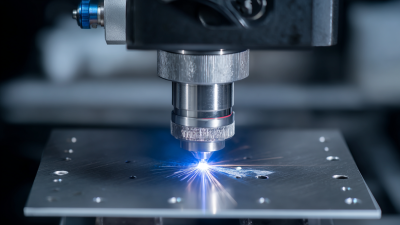
A mold laser cleaning machine is an innovative tool designed for surface cleaning. It uses high-intensity laser beams to remove contaminants from different surfaces. This technology is beneficial in various industries, especially where precision is needed. The laser energy breaks down dirt, rust, and other residues without harming the underlying material.

Using this machine is quite straightforward. The operator points the laser at the area needing cleaning. As the laser strikes the surface, contaminants are vaporized or blown away. This process produces minimal waste compared to traditional cleaning methods. It also eliminates the need for harsh chemicals. However, it is vital to adjust the laser settings for optimal results. Improper settings can lead to surface damage.

Tips: Ensure safety measures are in place. Protective eyewear is essential when using laser equipment. Regular maintenance of the machine is also crucial for efficiency. It’s easy to overlook this but can impact performance significantly. Reflect on whether the cleaning method suits your needs. A laser cleaner may not always be the most efficient option for every surface.

The Technology Behind Laser Cleaning

Laser cleaning technology is transforming surface treatment methods. This innovative process utilizes focused laser beams to remove contaminants from various materials. The laser energy effectively vaporizes unwanted substances like rust, grime, and mold. The process is efficient and precise.

The technology behind laser cleaning involves specific wavelengths designed for optimal absorption by contaminants. When the laser hits the surface, it generates a rapid thermal reaction. This reaction is not uniform, which can sometimes lead to uneven cleaning results. Surface properties affect laser interaction. Certain materials may need additional adjustments to optimize cleaning.

This method is gaining popularity in industries where precision is key. It reduces the need for harmful chemicals and minimizes waste. Yet, challenges remain. Users must continuously evaluate laser settings to avoid damaging delicate surfaces. Understanding material response is crucial to ensure effective cleaning.

What is a Mold Laser Cleaning Machine and How Does It Work? - The Technology Behind Laser Cleaning

Feature Description
Technology Type Laser cleaning technology uses high-power laser beams to remove contaminants from surfaces.
Application Used for cleaning molds, metal parts, and delicate items without damaging the substrate.
Advantages Eco-friendly, no need for chemicals, precise cleaning, and minimal waste generation.
Process Laser energy breaks the bond between contaminants and the surface, allowing for easy removal.
Safety Requires proper safety equipment due to the intensity of the laser; protective eyewear is essential.
Cost Efficiency Reduces labor costs and cleaning time compared to traditional methods.
Maintenance Requires regular maintenance to ensure optimal performance, including checking laser alignment.

How Does the Mold Laser Cleaning Process Work?

The mold laser cleaning process is becoming popular in various industries. It utilizes high-intensity laser beams to remove contaminants from surfaces. The laser energy interacts with the mold, breaking down dirt, grease, and other impurities. This method is efficient and environmentally friendly.

During the process, operators focus the laser on specific areas. The concentrated light creates heat, causing the contaminants to evaporate. This results in a clean surface without chemicals or abrasives. However, it's crucial to control the laser settings. Too much intensity may damage the mold.

Operators must also ensure safety measures are in place. Protective gear and barriers are essential. Proper training is necessary to avoid accidents. Mistakes can lead to surface damage or even injuries. Overall, the mold laser cleaning process is effective but requires attention to detail and responsible handling.

Benefits of Using Laser Cleaning for Molds

What is a Mold Laser Cleaning Machine and How Does It Work?

Laser cleaning technology is revolutionizing the mold maintenance industry. This innovative method uses concentrated laser beams to remove contaminants from mold surfaces. The energy from the laser vaporizes pollutants without damaging the underlying material. This precision is key. It's efficient and significantly reduces downtime.

The benefits of laser cleaning are apparent. It minimizes the use of harmful chemicals, making the process eco-friendly. Operators breathe easier, as there are fewer hazardous fumes. Another plus is the reduction in manual labor. Workers can focus on more complex tasks instead of labor-intensive cleaning. However, not all molds are suitable for laser cleaning. Operators must assess the mold's condition beforehand.

While laser cleaning offers many advantages, it may not be the perfect solution for every situation. Some may argue about the initial cost. It's crucial to weigh long-term benefits against short-term expenses. Ultimately, finding the right approach requires careful consideration and analysis.

Applications of Mold Laser Cleaning Machines

What is a Mold Laser Cleaning Machine and How Does It Work?

Mold laser cleaning machines are highly effective tools used across various industries. They use concentrated laser beams to remove contaminants from mold surfaces. This method is fast and precise, making it suitable for cleaning delicate molds without damage. Industries like automotive and aerospace often rely on this technology.

In manufacturing, these machines can restore molds to their optimal condition. It enhances the quality of the end products. The ability to clean hard-to-reach areas is another key advantage. However, not every mold responds well to laser cleaning. Some may require a combination of methods for optimal results.

Additionally, mold laser cleaning is environmentally friendly. It reduces the need for harsh chemicals and minimizes waste. But, it requires skilled operators for effective use. Proper training is crucial to avoid mistakes. The technology holds great promise, but it still needs refinement in some areas to maximize efficiency.

Comparing Laser Cleaning to Traditional Methods

Laser cleaning technology is revolutionizing the way we approach maintenance and restoration. Traditional methods often involve abrasive techniques or harsh chemicals. These can damage surfaces. They can also produce waste that is difficult to dispose of. Laser cleaning, on the other hand, offers a more precise solution.

Using lasers, this technology effectively removes contaminants from surfaces. It can target rust, paint, or mold with accuracy. The process does not require scrubbing or the use of solvents. This means less damage to underlying materials. Additionally, the method generates minimal waste. However, it’s worth noting that not all surfaces are suitable for laser cleaning. Some materials may be sensitive to intense light or heat.

While laser cleaning is efficient, it is not perfect. Costs can be higher than traditional methods. Training operators on proper techniques is essential. Over-reliance on technology can lead to neglecting fundamental cleaning practices. It's crucial to evaluate the specific needs of a project carefully before choosing a method.

Safety Considerations When Using Laser Cleaning Machines

Laser cleaning machines are innovative tools used for various applications, including mold removal. However, their operation comes with safety considerations. High-powered lasers are utilized in these machines, generating intense light and heat. Users must wear protective eyewear to shield against harmful radiation. Eye injuries from laser exposure can occur, making safety goggles essential.

Moreover, the operation zone should be clearly marked to prevent unauthorized access. The Occupational Safety and Health Administration (OSHA) suggests maintaining a minimum distance from the laser source to reduce risk. The area must be well-ventilated, especially when cleaning materials that may release toxic fumes upon laser interaction. A recent industry report highlighted that nearly 30% of laser-related injuries stem from inadequate safety precautions. This emphasizes the need for strict adherence to safety protocols during operations.

Proper training is crucial. Operators must understand the machine's mechanics and potential hazards. Misuse of the equipment can lead to accidents. Approximately 20% of users reported experiencing near-miss incidents, arising from unfamiliarity with the technology. Clear communication protocols can help mitigate these risks. Despite the effectiveness of laser cleaning, it’s imperative to reflect on the safety practices in the workplace to prevent unfortunate incidents.

Emerging Trends in Industrial Laser Cleaning: The Impact of 200W/300W Handheld Lasers on Efficiency and Cost-Effectiveness

The adoption of handheld lasers with power ratings of 200W and 300W is transforming industrial cleaning processes. These advanced technologies are not only enhancing efficiency but also driving cost-effectiveness in operations. According to a recent market analysis, the industrial laser cleaning market is projected to grow significantly, achieving a compound annual growth rate (CAGR) of around 12% over the next five years, fueled by the rising need for eco-friendly and effective cleaning solutions. Handheld lasers, known for their small size and lightweight design, offer flexibility and ease of use, allowing operators to navigate complex cleaning tasks with minimal effort.

One of the standout features of these handheld lasers is their customizable appearance, which allows businesses to tailor the product to their brand specifications while maintaining a professional aesthetic. Moreover, this flexibility extends beyond mere design; operators can utilize these lasers on various surfaces without worrying about damage. The ability to clean delicate materials makes these devices particularly valuable in sectors such as automotive, aerospace, and heritage conservation. Industry reports indicate that users have reported up to a 50% reduction in cleaning time compared to traditional methods, highlighting the efficiency gains made possible by modern laser technology.

Additionally, the cost-effectiveness of using 200W and 300W handheld lasers can be attributed to decreased labor costs and reduced waste generation during the cleaning process. With the growing emphasis on sustainability in manufacturing, these lasers provide a cleaner alternative, significantly reducing chemical runoff and contamination. As industries continue to seek innovative solutions, the transition towards powered handheld laser cleaning devices represents a pivotal shift towards efficiency, sustainability, and quality in industrial cleaning practices.

FAQS

: What is the purpose of the product?

: The product aims to enhance daily convenience. It offers solutions for time management.

How should I use it?

Follow the instructions provided. Regular use yields better results. Adjust based on personal needs.

Are there any side effects?

Some users reported mild discomfort. It's essential to monitor your response. Discontinue if necessary.

Can I use it with other products?

Yes, but be cautious. Mixing can alter effectiveness. Test combinations gradually. Reflect on your experience.

How long does it take to see results?

Results vary by individual. Some notice changes in a few days. Others may require weeks.

Is there a return policy?

Yes, there is a return policy. More details are available on the official site. Conditions may apply.

Can it be used by everyone?

It's generally suitable for most. However, those with specific conditions should consult a professional first.

How should I store it?

Keep it in a cool, dry place. Avoid direct sunlight. Improper storage might affect its quality.

What should I do if I miss a dose?

Take it as soon as you remember. If it's close to the next dose, skip the missed one.

Is it safe for long-term use?

Long-term use is debated. Monitor your body's reactions and consult with professionals regularly.

Conclusion

A Mold Laser Cleaning Machine is a cutting-edge tool designed for the efficient cleaning of molds using laser technology. This innovative approach leverages high-intensity laser beams to remove contaminants such as rust, paint, and grease without damaging the underlying mold surface. The process is highly effective, utilizing precise control to target specific areas, minimizing wear and tear compared to traditional cleaning methods.

The benefits of using a Mold Laser Cleaning Machine include reduced labor costs, less environmental impact due to the lack of harsh chemicals, and enhanced safety for operators. Applications span various industries, from manufacturing to automotive, where maintaining clean molds is crucial for product quality. Moreover, when compared to conventional cleaning techniques, laser cleaning offers superior effectiveness and efficiency, making it a preferred choice for modern businesses prioritizing sustainability and precision in mold maintenance.

Emily

Emily

Emily is a dedicated marketing professional at Fortune Laser Technology Co., Ltd., a leading manufacturer of industrial laser equipment founded in 2016 and based in Shenzhen. With a robust understanding of the company’s core offerings, Emily plays a crucial role in bridging the gap between......
Previous 5 Reasons Why Best Laser Cleaning Car Parts Are Revolutionizing Automotive Maintenance
side_ico01.png