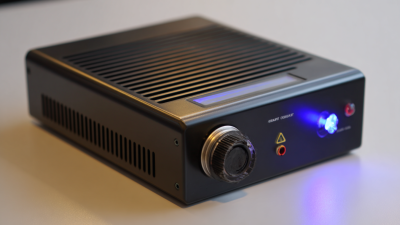
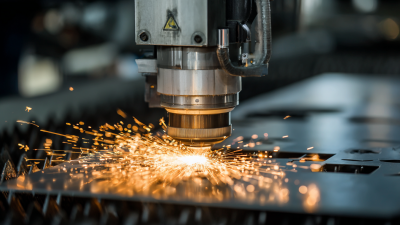
In the fast-evolving world of manufacturing, maintaining metal molds is crucial. A leading expert in the field, Dr. John Smith from LaserTech Industries, emphasizes, "The use of a Metal Mold Laser Cleaner can drastically improve efficiency." This highlights the growing need for effective cleaning solutions.
The Metal Mold Laser Cleaner utilizes advanced technology to eliminate contaminants. Unlike traditional methods, it offers precision and efficiency. The laser targets specific areas without damaging the mold surface. This results in less downtime and increased productivity. However, users must understand the intricacies. Not all materials react the same way to laser cleaning.
While the benefits are clear, some challenges remain. Operators might need training to use the Metal Mold Laser Cleaner effectively. Misuse can lead to errors and unintended consequences. It’s essential to navigate these complexities for optimal results. The focus should always be on sustainable practices within the industry.
Metal mold laser cleaning technology is gaining momentum in various industries for its efficiency. This method uses high-intensity laser beams to remove contaminants like rust, grease, and coatings from metal surfaces. According to a recent industry report, the global laser cleaning market is projected to grow at a CAGR of 12% from 2023 to 2028. This suggests strong adoption across manufacturing sectors, especially in automotive and aerospace industries.
The efficiency of laser cleaning becomes apparent when considering its speed and precision. Unlike traditional methods, it minimizes the risk of damaging underlying surfaces. This is critical, as molds can be costly and complex. Still, not every mold can withstand high-intensity lasers without risk. Some molds may require a careful assessment before application. In terms of energy consumption, laser cleaning is more sustainable compared to abrasive or chemical methods, with studies showing reduced waste generation by up to 60%.
However, adoption can be challenging. There is still a learning curve for operators unfamiliar with this technology. For some, the equipment costs may seem high. Yet, the potential for long-term savings and reduced maintenance can justify the initial investment. As the technology matures, it is vital to continually evaluate performance and safety protocols in various applications to avoid operational mishaps.
Metal mold laser cleaners are gaining popularity due to their effectiveness and efficiency. One significant benefit is their ability to remove contaminants without damaging the underlying surface. Traditional methods often leave scratches, but laser cleaning is precise. This technology uses high-energy laser beams to eliminate rust, dust, and other residues. The result is a clean surface ready for use or further treatment.
Tips: Always test the laser on a small, inconspicuous area first. This ensures you understand how the material reacts to the laser. Adjust the settings accordingly to achieve the best results.
Another advantage is the reduction of chemical waste. Unlike chemical cleaners, laser cleaners do not produce harmful residues. This helps in maintaining a safer environment. It's also cost-effective in the long run, as it minimizes the need for repeated cleaning and additional materials.
Remember to wear protective gear during cleaning sessions. Safety should be a priority. Regular maintenance of the laser equipment is essential to achieve consistent cleaning performance. Not every method works for all molds. Adjust your approach based on the type of mold you are working with to ensure effectiveness.
Before diving into the cleaning process with a metal mold laser cleaner, preparation is key. Start by clearing the surrounding area. Remove obstacles and ensure adequate ventilation. Safety is important. Wear protective gear, including goggles and gloves. This step safeguards against potential hazards during operation.
Next, inspect the metal mold for dirt and residue. Identify the areas that need attention. Ensure the surface is dry and free of loose debris. If the mold is heavily soiled, consider pre-cleaning with a brush. This can enhance the laser cleaning efficiency.
Check the laser cleaner settings according to the surface type. Incorrect settings can lead to unsatisfactory results. Read the manual carefully. Familiarize yourself with all controls. Testing on a small area first can prevent damage. Reflect on past experiences with cleaning processes; ensure those mistakes aren’t repeated. Adjust your approach based on what you learned. This preparation will significantly impact the efficiency of your cleaning results.
| Preparation Step | Description | Estimated Time (minutes) |
|---|---|---|
| Check Equipment | Ensure the laser cleaner is in good working condition with all parts functional. | 5 |
| Safety Gear | Put on appropriate safety gear including goggles and gloves. | 3 |
| Surface Preparation | Clean the area around the mold to remove any loose debris or dirt. | 7 |
| Calibration | Calibrate the laser settings according to the type of material being cleaned. | 10 |
| Test Run | Perform a test run on a small area to check effectiveness. | 5 |
Cleaning metal molds can be challenging. A metal mold laser cleaner offers a modern solution. Follow these steps carefully for effective operation.
Begin by setting up the laser cleaner in a well-ventilated area. Ensure that your workspace is clear of distractions. This is crucial for safety and efficiency. Position the laser head about 4-8 inches from the mold surface. Adjust the angle for even cleaning. The optimal distance for most applications is around six inches.
Before you start, it’s wise to check the machine’s settings. A report by the International Journal of Advanced Manufacturing Technology states that precise power and speed settings significantly improve cleaning efficiency. A common practice is to start with lower power settings. Gradually increase them based on the mold’s condition. This method prevents damage.
Tips: Always wear appropriate safety gear. Laser cleaning can generate harmful fumes. Keep a fire extinguisher nearby. It's essential to have one on hand, as melting residues may occur. Monitor the cleaning process closely. Overexposure can lead to incomplete cleaning. Ensure your laser cleaner is well-maintained to avoid mechanical issues.
After cleaning, inspect the mold thoroughly. Look for any signs of residue. Adjust your technique or settings if needed. It’s okay to experience a learning curve. Each mold may require different cleaning approaches. Remember, practice makes perfect.
Laser cleaning is an effective method for removing contaminants from metal molds. However, safety precautions are essential. Protecting yourself should be a priority. Wearing appropriate personal protective equipment (PPE) is crucial. This includes safety glasses, gloves, and a lab coat. The laser can cause eye damage. Proper eye protection helps avoid serious injuries.
The area where cleaning occurs must be controlled. Ensure the workspace is well-ventilated. Avoid flammable materials around the cleaning area. This process can generate heat and sparks. Keep a fire extinguisher nearby, just in case. Moreover, always be cautious of stray laser beams. These beams can cause burns or damage equipment.
Training is vital before operating any laser cleaning equipment. Understand the device’s functions and limitations. Inexperienced users might overlook important safety measures. Regular inspections of equipment can reveal potential hazards. Reflection on safety practices is necessary for an effective cleaning process. Always prioritize safety to ensure a successful operation.
Metal mold laser cleaners offer a powerful solution for removing contaminants from molds. However, maintaining the equipment ensures its longevity and effectiveness. Regular maintenance can enhance performance and save costs in the long run.
One crucial tip is to keep the optics clean. Dust and debris can obstruct the laser path. A simple lens cleaning with a microfiber cloth can prevent reduced output. Another aspect to consider is the alignment. Misalignment affects the efficacy of the cleaning process. Regular checks can help ensure everything is in proper order. It's essential to note that over time, components may wear out.
Additionally, consider the cooling system. Maintain appropriate coolant levels to prevent overheating, which could damage the machine. Regularly scheduled maintenance is necessary, but operators should also perform daily checks. The industry recommends that proper upkeep can boost the equipment's lifespan by up to 25%.
Using metal mold laser cleaners effectively is more than just pressing a button. It takes care and attention to detail. Poor maintenance can lead to costly repairs and downtime. Always reflect on your maintenance practices to improve and adapt them as needed.
When using a metal mold laser cleaner, several issues may arise. Overheating is a common problem. When the laser intensity is too high, it can alter the surface of the metal. This problem may lead to uneven cleaning or even damage. Reports indicate that optimal laser settings vary with different metals. For instance, aluminum requires lower energy settings compared to steel to avoid melting.
Another frequent issue is insufficient cleaning power. This might occur if the wrong wavelength is used. According to industry studies, a wavelength of around 1064 nm is effective for most metal surfaces. If users observe residue after cleaning, it could be a sign of improper settings. Adjustments may be necessary to improve effectiveness.
Users also face problems such as misalignment. The laser head must be properly positioned to achieve the best results. Misalignment can lead to streaks or areas left uncleaned. Regular calibration and maintenance can help avoid this. Overall, attention to detail in setup can significantly impact the cleaning outcome.
: The article aims to provide insights on a specific topic. It discusses various aspects and details.
You could gain practical knowledge or tips. Applying them might enhance your understanding or skills.
Yes, some anecdotes are included. These help illustrate points but may not cover everyone's situation.
Yes, it highlights mistakes people often make. Avoiding them might lead to better outcomes.
It targets readers interested in the topic. However, anyone can find insights relevant to their situation.
Yes, the article includes examples. They serve as practical references but may not fit all contexts.
It's completely normal to have differing opinions. Reflection is key to understanding various perspectives.
Consider researching related articles or studies. Engaging with community discussions may deepen your insight.
Some parts might feel brief. Further elaboration could provide a clearer understanding of complex ideas.
It reflects knowledge available up to a certain point. Some facts may change, so constant learning is advised.
The article "How to Use Metal Mold Laser Cleaner for Effective Cleaning?" provides a comprehensive overview of this innovative cleaning technology specifically designed for metal molds. It begins by explaining the principles of metal mold laser cleaning and highlights the numerous benefits, such as its efficiency in removing contaminants without damaging the underlying surface. The preparation steps necessary before operating the Metal Mold Laser Cleaner are outlined, ensuring users set up their cleaning environment properly.
Furthermore, the article presents a detailed step-by-step guide for effectively using the Metal Mold Laser Cleaner, while emphasizing essential safety precautions to safeguard operators during the laser cleaning process. Maintenance tips are also included to help extend the lifespan and performance of the equipment. Lastly, it addresses common issues that may arise during cleaning and offers troubleshooting strategies to ensure successful operation, making it a valuable resource for anyone looking to utilize metal mold laser cleaning technology.