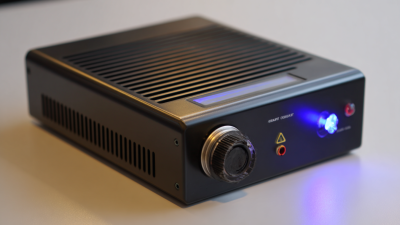
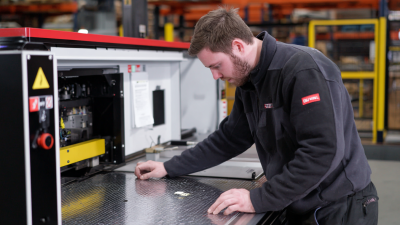
The demand for effective surface restoration methods is increasing. The Laser Paint Cleaning Machine stands at the forefront of this technology. According to a 2022 market report by Grand View Research, the global laser cleaning market is expected to reach $1.3 billion by 2030. This growth highlights the importance of innovation in painting and surface maintenance processes.
Laser paint cleaning offers precision and efficiency. It minimizes surface damage while effectively removing layers of paint and contaminants. Unlike traditional methods, which can create waste, this technology supports sustainability initiatives. However, some businesses still hesitate to fully embrace this advancement. The initial investment in a Laser Paint Cleaning Machine might seem daunting for smaller firms. Yet, ignoring this trend may lead to lost opportunities in efficiency and cost savings.
Ultimately, understanding the nuances of this technology is crucial. Not all machines are built the same, and selecting the right one is vital. Practical training and maintenance practices often get overlooked, leading to underperformance. Companies like CleanLasers emphasize the need for operator training to optimize results. As the industry evolves, those who adapt will thrive, while others may fall behind.
Laser paint cleaning technology is evolving rapidly. This method uses high-intensity laser beams to remove paint and contaminants from various surfaces. It is effective for restorations in industrial, historical, and artistic applications. The precision of lasers ensures that the underlying material remains intact, making it an ideal choice for delicate tasks. Knowing how to use this method effectively is crucial for successful results.
When using a laser paint cleaning machine, focus on specific techniques. Adjust the laser settings according to the surface type. Materials like wood, metal, and brick require different intensities. Always conduct a test on a small area first. This helps to evaluate the effect before applying it broadly. Maintaining a steady distance between the nozzle and surface is vital for uniform cleaning.
Attention to safety cannot be overlooked. Always wear protective gear to shield against harmful light. It’s important to keep the working area clear of flammable materials. Consistent maintenance of the machine extends its life. Reflect on any challenges faced during cleaning. Each project teaches important lessons. Understanding these intricacies can lead to better outcomes in future projects.
Laser paint cleaning machines offer remarkable benefits for surface restoration. They provide a precise, effective way to remove old paint, rust, and other contaminants. The process is less abrasive than traditional methods, ensuring the underlying surface remains intact. This precision minimizes the risk of damaging delicate structures.
One advantage of using laser technology is environmental safety. Unlike chemical cleaning, lasers do not produce harmful runoff. This makes them suitable for sensitive areas, like historical buildings or bridges. Reduced cleanup time is another significant benefit. The laser process is swift, so projects can be completed faster.
When using a laser paint cleaning machine, here are some tips for effectiveness. Ensure proper setup and calibration before starting. A misaligned laser can lead to inconsistent results. Always test on a small area first. This helps gauge the effectiveness and prevents any unexpected damage. Regular maintenance of the machine also ensures consistent performance. Pay attention to the focused beam; even small adjustments can make a difference.
Choosing the right laser paint cleaning machine requires careful consideration. There are various models available, each with unique features. Knowing your specific needs is essential for making an informed decision.
Consider the surfaces you will be cleaning. Different materials may require different laser settings.
Size and portability are also critical factors. A heavy machine might limit your ability to reach smaller or awkward spaces. Think about where you’ll use it the most. If you plan to move it often, lightweight options can be beneficial.
Look for user-friendly interfaces. Complicated controls can lead to mistakes and frustration.
Budget is often a significant concern. High-end machines offer advanced features but can be costly. Reflect on how often you'll use the machine before committing to a higher price. Sometimes, mid-range options provide sufficient quality. Don’t overlook maintenance costs. A machine that is expensive to maintain may not be worth the initial investment. Balancing functionality with budget is essential for effective surface restoration.
Preparing surfaces before laser cleaning is crucial for effective results. Start by removing loose debris. A quick sweep or vacuum can make a big difference.
Check for any rust or corrosion on metallic surfaces. These imperfections can interfere with the laser's performance.
Next, assess the surface texture. Uneven spots or rough areas may not respond well to laser cleaning. Sanding or grinding may be necessary in some cases.
Ensure that the area is properly dried after any cleaning. Moist surfaces can lead to inconsistent laser reactions.
Don’t forget to protect surrounding areas. Masking tape or sheets can prevent unwanted damage. Consider the environment. Proper ventilation is important when working with dust.
Overall, careful preparation can enhance the effectiveness of the laser cleaning process.
Operating laser paint cleaning equipment requires careful attention to safety. Always wear appropriate personal protective gear, including goggles and gloves. This protects you from potential laser exposure and paint dust. The work area should be well-ventilated to avoid inhaling harmful particles. Setting up barriers can help keep bystanders at a safe distance.
Before starting the machine, inspect the equipment thoroughly. Check for any signs of wear or damage. If something seems off, pause and address the issue. It’s better to spend a little extra time on safety than to rush and create hazards. Proper training is also essential. Understand the machine's settings and functions well. Misunderstanding can lead to accidents and ineffective cleaning.
Always keep an eye on the surfaces being treated. Some materials might not react well to the laser. Conduct tests on small areas first. Be ready to adjust your technique based on the surface condition. Remember, even experienced operators can encounter challenges. Reflect on your experiences and learn from them. This will improve both your skills and safety practices over time.
Maintenance and care for laser paint cleaning machines are crucial for optimal performance. Regularly inspect the laser lens for any dust or debris. Cleaning the lens with a soft cloth can prevent beam distortion. Check all cables and connections to ensure they are secure and free from damage. Loose connections can lead to inconsistent performance.
Train your operators thoroughly on machine usage. Even small mistakes can lead to damage or inefficiency. Keep a maintenance log to track usage and servicing. This will help identify patterns that require attention. Factors like excessive wear on certain parts might indicate that adjustments are needed.
Proper storage is also important. If the machine is not used frequently, store it in a climate-controlled environment. Avoid high humidity and extreme temperatures, as these can affect performance. Regularly review the manufacturer's guidelines, but they aren't always complete. Reflect on any missed maintenance tasks. Adjust to ensure your laser machine remains effective.
Laser paint cleaning is an innovative method for restoring surfaces. It effectively removes paint, rust, and grime. When evaluating results, different surfaces react uniquely to this technique. For instance, metal, wood, and concrete show varied outcomes. Each material has specific challenges. Not every laser setting will work for all surfaces.
For metal surfaces, laser cleaning often yields excellent results. The removal is quick and precise. However, issues like heat damage can arise. It's crucial to monitor laser intensity closely.
On wood, results can be less predictable. The risk of burning or splintering increases with higher power levels. Testing on a small area is wise.
Concrete surfaces typically handle lasers well. Yet, color variations can make results inconsistent. Uneven cleaning may occur, leaving patches behind. This inconsistency demands careful setup and operator skill. Understanding these nuances will enhance project outcomes. Embracing imperfections and adjusting techniques is vital for success.
: The product aims to provide effective solutions for common daily challenges. It helps users improve efficiency.
Anyone looking to streamline tasks can benefit. This includes students, professionals, and busy parents.
Yes, clear instructions are provided. Users should follow them to achieve best results.
You can reach out for support. It’s important to ask when unclear about something.
Yes, it is designed to adapt to various settings. However, consider specific conditions that might affect performance.
Mistakes can happen. Users should stay attentive and reflect on their approach if issues arise.
Proper care is essential. Regular maintenance can extend its life significantly, yet many overlook this.
There can be limits based on individual needs. It’s crucial to evaluate whether it suits your situation.
Users often mention both pros and cons. Reflection on their experiences can lead to better use in the future.
Laser Paint Cleaning Machines offer an innovative solution for effective surface restoration by utilizing advanced laser technology. This method not only ensures efficient removal of unwanted coatings but also minimizes damage to the underlying materials. Understanding the technology and its applications is crucial to leverage its full potential, as it provides notable benefits such as eco-friendliness and precision.
When choosing the right Laser Paint Cleaning Machine, it is essential to consider your specific needs and the surfaces to be treated. Preparing surfaces adequately before cleaning, along with following best safety practices during operation, significantly enhances the cleaning process. Regular maintenance and care of the machines help in prolonging their lifespan, ensuring consistent performance. Finally, evaluating the results post-cleaning allows users to assess effectiveness across various surfaces, confirming the versatility and efficiency of laser cleaning.