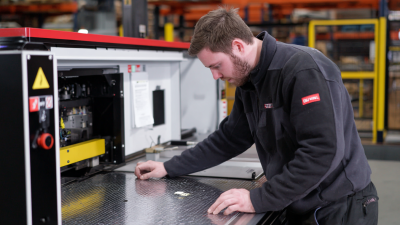
Lately, there's been a big uptick in the demand for smarter, more efficient cleaning solutions, especially in manufacturing. I came across a report from the International Journal of Advanced Manufacturing Technology that says laser cleaning tech is expected to grow around 20% each year—that’s pretty impressive. One standout device in this space is the Mold Laser Cleaning Machine, which is specifically made to wipe away mold contaminants smoothly and easily.
What’s really cool about this tech is how much faster and more effective it is compared to the old-school cleaning methods. For example, some studies show that laser cleaning can cut down cleaning times by about half, which totally boosts productivity. Companies like Clean Lasers are leading the charge here, pushing forward innovations that make these machines super reliable and versatile for all sorts of jobs. But let’s be honest—if you’re shopping around, it can get a bit overwhelming with so many options out there.
Finding the right Mold Laser Cleaning Machine isn’t just about the fancy features; it’s about finding that sweet spot between performance and affordability. You’ll want to look at things like how powerful it is, how easy it is to move around, and what kind of maintenance it needs. While the benefits are pretty clear—faster, better cleaning—you also need to think about your specific needs and limitations. Picking the right machine isn’t just a purchase, it’s an investment that can really streamline your cleaning process and save you money in the long run.
Mold laser cleaning machines are innovative tools designed for effective surface cleaning. They utilize high-intensity laser beams to remove contaminants from molds. This method is non-contact, meaning no physical force is applied to the surface. The precision of the laser ensures that only unwanted materials are removed, preserving the integrity of the mold.
The operation process begins when the laser is directed at the mold surface. The energy from the laser breaks down dirt, rust, and other residues. This results in minimal waste and reduces the need for chemical agents. While laser cleaning is efficient, it may require different power settings based on the material type. Users need to be aware of the specific requirements for optimal results.
However, choosing the best machine can be challenging. Not all lasers are created equal. Some models may not handle intricate designs well. It's crucial to consider factors like laser power, cleaning speed, and maintenance needs. A machine that works great for one application might struggle with another. Evaluating these aspects can lead to wise investment decisions.
When selecting a mold laser cleaning machine, understanding key features is crucial. First, consider the machine's power output. Higher power often translates to more effective cleaning. However, more power can also mean higher costs and potential damage to certain surfaces. Balance these factors based on the materials you plan to clean.
Another essential aspect is mobility. A portable laser cleaning unit can make your job easier, especially for large or awkwardly shaped molds. Lightweight designs often enhance convenience and efficiency. Yet, ensure that portability does not compromise cleaning performance. Some machines may sacrifice effectiveness for ease of transport.
Tips: Look for machines with adjustable settings. Customized settings can adapt to different materials. This feature promotes both efficiency and precision. Additionally, consider the ease of maintenance. Regular upkeep is necessary to keep your machine in top condition. Machines that are hard to maintain can quickly become a burden.
When selecting a mold laser cleaning machine, understanding the different types available is crucial. There are mainly three categories: handheld, robotic, and trailer-mounted machines. Handheld models offer flexibility and ease of use. They are ideal for smaller jobs where precision is vital. However, using them effectively requires some skill, which can be a learning curve for new operators.
Robotic laser cleaners, on the other hand, provide automation. They can be programmed for large areas, which saves time and labor costs. Yet, the initial setup can be complex. Operators must ensure correct configuration to achieve desired results. It's essential to monitor their performance closely to avoid inefficiencies.
Trailer-mounted machines cater to large-scale cleaning projects. They are powerful and can cover vast surfaces swiftly. However, they might not be suitable for intricate work that requires fine detail. The choice between these options depends on your specific needs and project scale. Evaluating the pros and cons of each type is necessary to ensure optimal outcomes.
When selecting a mold laser cleaning machine, several critical factors influence performance. Laser power is vital. High-powered lasers can remove contaminants more efficiently. According to industry reports, a laser with a power rating above 2000 watts can expedite cleaning processes effectively. However, too much power can cause damage to sensitive surfaces, which may lead to costly repairs.
Another crucial element is the wavelength of the laser. The right wavelength can enhance absorption in target materials. Certain wavelengths are better suited for metal, while others excel in removing organic materials like mold. Research indicates that wavelengths between 1064 nm and 532 nm yield superior results in various applications.
Tips: Always assess the nature of contaminants before choosing the wavelength. Consider the specific surface being cleaned. Ideally, testing different parameters can lead to optimal outcomes and avoid mishaps. Ensure that the machine's cooling systems operate effectively to maintain performance and prevent overheating.
Also, machine mobility can impact efficiency. While stationary units provide stability, portable models offer flexibility and adaptability in different environments. Practicing proper maintenance is key. Regular inspection and cleaning of the machine ensure longevity and consistent performance.
When evaluating mold laser cleaning machines, a comparative analysis can provide valuable insights. The laser cleaning market is expected to grow significantly. A recent industry report projected a CAGR of 17% from 2023 to 2028. Understanding the technical specifications of different models is key.
Some machines operate at varying laser power levels, impacting efficiency. Higher wattage often means faster cleaning, but it's not always the best choice for delicate molds. Moreover, pulse duration can affect the cleaning process. Short pulses are effective for smaller contaminants, while longer pulses handle tougher stains. Users must weigh the trade-offs between power and precision.
Reliability is crucial. Machines with robust safety features tend to have better longevity. Maintenance requirements can vary widely between brands, influencing overall operational costs. It's essential to consider these aspects to avoid potential downtime. Additionally, user feedback often highlights performance inconsistencies. Engaging with existing users can provide perspectives that technical data alone may not reveal.
When budgeting for a mold laser cleaning machine, it’s essential to assess your needs carefully. Consider the types of mold you frequently encounter. Different technologies tackle various challenges. Research the expected costs of ownership, including maintenance and operational expenses. A lower purchase price may lead to higher costs down the line. Will the initial savings be worth it?
Look into financing options. Leasing might be an alternative for some businesses. It allows you to avoid a large upfront payment. However, evaluate the long-term financial implications. Are you prepared for the extra costs that could arise? Some machines might also come with hidden fees for support or parts.
Remember to account for training costs, too. Proper training ensures effective use of the machinery. It may be an overlooked aspect, but essential. Many machines have different operational requirements. Investing in skilled training employees can pay off in efficiency. Don’t underestimate how poor training could reduce productivity.
Maintaining your laser cleaning machine is crucial for optimal performance. Regular maintenance helps prevent breakdowns and prolongs the machine's lifespan. According to industry reports, proper upkeep can extend the operational life of laser systems by up to 30%. Regular checks of the laser lens and mirrors are essential. Dust or debris can diminish cleaning efficiency dramatically.
Routine inspection of electrical connections is also important. Over time, connectors may corrode or loosen, resulting in a drop in performance. A study showed that poorly maintained connections could lead to energy waste, affecting the machine's effectiveness. Replace damaged parts immediately to avoid further issues.
Training staff in basic maintenance practices can make a difference. Understanding how to clean components and perform routine checks is essential. Many companies report that investing in employee training has resulted in reduced downtime. Using high-quality cleaning supplies for machine maintenance can enhance durability. Regular documentation of maintenance activities ensures accountability and helps in tracking the machine’s condition over time.
: It is a tool that uses high-intensity lasers to clean mold surfaces effectively.
The laser energy breaks down dirt and rust. It minimizes waste and chemical use.
Different materials require different power levels for effective cleaning. It's crucial for optimal results.
Consider the power output, mobility, and ease of maintenance for your specific cleaning needs.
There are handheld, robotic, and trailer-mounted machines, each with unique advantages.
They offer flexibility and are suited for smaller jobs but require skill to operate effectively.
They automate cleaning for large areas, saving time and labor costs but need careful setup.
No, they are designed for large-scale projects and may struggle with intricate work.
Regular maintenance is crucial to keep the machine functioning well and avoid inefficiencies.
Monitor the machine closely to ensure it meets cleaning expectations and avoid potential issues.
The article "2026 How to Choose the Best Mold Laser Cleaning Machine?" provides a comprehensive guide for selecting an effective Mold Laser Cleaning Machine. It begins by explaining what a mold laser cleaning machine is and its significance in various applications. Key features to consider include power output, efficiency, and ease of use, which are crucial for achieving optimal cleaning results.
The article delves into the different types of mold laser cleaning machines available in the market, highlighting their specific capabilities and applications. Factors influencing performance, such as the type of material being cleaned and the machine's technology, are also discussed. Additionally, the importance of budgeting for your purchase and maintaining the machine for longevity is emphasized. Overall, this guide serves to equip potential buyers with essential knowledge for making an informed decision when investing in a Mold Laser Cleaning Machine.