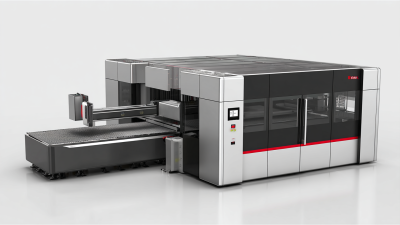
In today’s industrial world, finding innovative solutions is more important than ever. The 'High Power Laser Cleaning Machine' really stands out as a game-changer when it comes to cleaning tasks. It uses focused laser beams to efficiently zap away dirt, rust, and paint — saving you time and cutting down on harsh chemicals. Pretty neat, right?
Picture a factory covered in layers of grime that traditional cleaning methods just can't handle easily. That’s where a high-power laser cleaner can really make a difference. Because it’s so precise, there's less wasted material, but it does require someone who knows what they’re doing to get the best results. Even though the machine’s capabilities are impressive, it’s important for operators to stay trained and adapt to the technology.
Now, I get it — the upfront cost might seem a bit steep at first, and that can be a bit intimidating. But honestly, in the long run, the savings in time, chemicals, and effort tend to make it well worth it. It’s good to think about how this tech could fit into your existing processes and workflows. At the end of the day, choosing to go with a high-power laser cleaning machine might just change the game, helping your operations become more efficient and keeping things cleaner in this ever-changing industry.

Advantages of High Power Laser Cleaning Machines
High power laser cleaning machines offer several significant advantages for various industrial applications. One major benefit is their efficiency. According to a study by the Laser Institute of America, laser cleaning reduces cleaning time by up to 75% compared to traditional methods. This time savings translates directly into increased productivity for businesses.
Additionally, laser systems can operate with high precision, targeting only the contaminants without damaging the underlying materials. Such precision is invaluable in industries like aerospace and automotive, where even minor surface issues can lead to catastrophic failures.
Another compelling advantage is the environmental impact. Conventional cleaning methods often rely on harsh chemicals, which can lead to environmental damage. In contrast, laser cleaning uses focused light to remove contaminants without toxins. A report by the Environmental Protection Agency notes that switching to laser cleaning can significantly reduce hazardous waste. However, it's important to acknowledge that initial setup costs for laser machines can be high. Businesses must weigh these costs against long-term savings and environmental benefits. As with any technology, careful planning and consideration are crucial for effective implementation.
Key Applications for High Power Laser Cleaning Technology
High power laser cleaning technology is transforming many industries. It efficiently removes contaminants like rust, paint, and grime. This method is particularly valuable in manufacturing and restoration. According to a report by MarketsandMarkets, the laser cleaning market is expected to reach USD 1.1 billion by 2025. This indicates a significant demand for advanced cleaning solutions.
One key application is in the automotive sector. Laser cleaning can enhance surface preparation for welding and painting. It can remove old coatings without damaging the underlying layers. Another relevant application is found in historic preservation. Laser cleaning allows for delicate restoration of stone and metal surfaces without abrasion. A study showed that over 70% of restoration professionals report improved results with lasers compared to traditional methods.
However, challenges remain. The initial cost of high power laser machines can be steep. Some users may find the technology hard to operate. Training staff can add to the expenses. Despite these drawbacks, many companies see long-term savings. Reducing waste and energy consumption are great advantages. Data suggests that laser systems can drastically cut the time needed for cleaning, boosting overall efficiency.
How High Power Lasers Work in Cleaning Processes
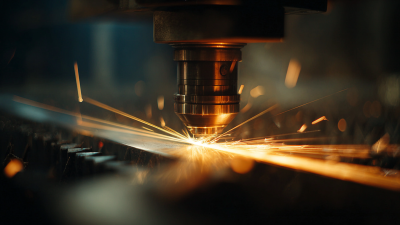
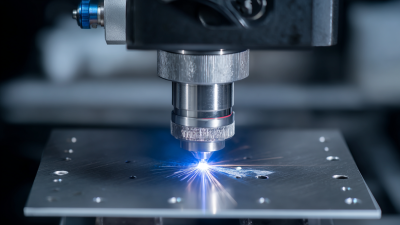
High power laser cleaning machines utilize advanced technology to remove contaminants effectively. These lasers emit concentrated light energy that interacts with surfaces. When the laser beam hits a material, it generates enough heat to vaporize or dislodge contaminants like rust, paint, or grime. This process is quick and precise, minimizing damage to the underlying surface.
The effectiveness of laser cleaning largely depends on the power and wavelength of the laser. Different materials respond uniquely to various wavelengths. Some may absorb the energy well, while others reflect most of it. Thus, understanding the target surface is crucial. For instance, metallic surfaces often require higher power for efficient cleaning. However, too much power can cause surface damage. A balance must be struck.
Moreover, laser cleaning is often preferred for its eco-friendliness. Unlike traditional methods, it produces minimal waste. Yet, operators must consider safety. High power lasers can pose risks if not handled correctly. Proper training and equipment are essential to ensure effective and safe operations. Each cleaning scenario may require reflection on the method used to achieve optimal results.
Comparative Analysis of Laser Cleaning vs. Traditional Methods
Laser cleaning has emerged as a modern alternative to traditional cleaning methods. This technology utilizes high-powered lasers to remove contaminants effectively. Unlike traditional methods, laser cleaning can target specific areas without damaging underlying surfaces. It's precise and reduces the risk of abrasion.
Traditional cleaning methods often involve chemicals or mechanical scrubbing. These methods can leave residues or require extensive labor. Comparing the two, laser cleaning is less labor-intensive. It also minimizes chemical waste, making it an eco-friendlier option. However, some users may find the initial investment daunting.
While laser cleaning is efficient, it's not without its challenges. It requires trained personnel to operate safely. In some situations, it may not be suitable for all materials. Users should evaluate their specific needs carefully. The decision to switch should consider not just the cost but also long-term benefits. The potential for enhanced performance is significant, yet it's essential to weigh any drawbacks before making a choice.
Factors to Consider When Choosing a Laser Cleaning Machine
Choosing a laser cleaning machine requires careful thought. There are many factors to consider. The type of materials you'll be cleaning is crucial. Different surfaces react differently to lasers. For instance, metals may require more power than plastics. Knowing the material helps you select the right machine. It also ensures effective cleaning without damage.
Another factor is the machine's power. Higher power means faster cleaning. However, this can lead to higher costs. It's essential to find a balance between power and budget. Think about the job frequency as well. A more powerful machine might be a waste if used infrequently. Also, consider the portability of the machine. Some projects require moving equipment around, so weight and size matter.
Don’t overlook the user interface. A complicated system can lead to mistakes. Look for machines that are easy to operate. You want to clean quickly and efficiently. Lastly, training is necessary. Even simple machines have a learning curve. Investing in proper training can save you time and effort. These elements shape your choice and impact your success.
Maintenance and Safety Tips for Laser Cleaning Equipment
When using high power laser cleaning machines, maintenance is crucial. Regularly inspect the device for any signs of wear or damage. Dust and debris can accumulate, affecting performance. Keep the lenses clean and check the cooling system often. Neglecting these details might lead to inefficient cleaning.
Safety should always be a priority. Operators must wear appropriate protective gear. Goggles specifically designed for laser work are essential. Additionally, ensure the work area is clear of flammable materials. High power lasers can create hazards if not managed properly. Remember, even minor oversights can lead to serious consequences.
Training is key for safe operation. Staff should understand the machine's functions and limitations. A poorly trained operator may misjudge the equipment’s capability. This can result in damage to surfaces or even injury. Regular training sessions can enhance skills and knowledge, promoting a safer working environment.
Future Trends in High Power Laser Cleaning Innovations
High power laser cleaning machines are revolutionizing industrial cleaning processes. As industries seek more efficient and eco-friendly solutions, laser technology stands out. Unlike traditional methods, lasers target specific contaminants without damaging underlying materials. This precision minimizes waste and enhances overall safety in various applications, from automotive to aerospace.
Emerging trends are reshaping the future of laser cleaning. Innovations in laser design are making machines more powerful yet compact. This evolution opens doors for new industries to adopt laser cleaning technology. Additionally, advances in automation and AI integration promise to improve cleaning accuracy and efficiency. However, challenges remain. The cost of investment may deter some businesses, and training requirements can pose hurdles.
As the market evolves, environmental concerns are pushing for greener solutions. The shift towards sustainable practices is more than just a trend; it’s a necessity. Companies are now expected to minimize their carbon footprint. This pressure will likely accelerate the development of technologies that can further harness renewable energy sources. The path ahead holds great potential but also demands thoughtful consideration of the impacts on both industry and environment.
High Power Laser Cleaning Machine Adoption Trends (2023)
FAQS
: They are efficient, reducing cleaning time by up to 75%. They enhance productivity significantly.
Laser cleaning is more precise and less labor-intensive. It minimizes waste and avoids chemical residues.
Yes, it uses focused light instead of harsh chemicals, thus reducing environmental damage and hazardous waste.
Initial setup costs can be high. Additionally, trained personnel are needed to operate safely.
No, laser cleaning may not be suitable for every material. Users should evaluate their specific needs carefully.
Innovations are making lasers more powerful and compact. Automation and AI are set to improve accuracy and efficiency.
They should weigh initial costs against long-term savings and environmental benefits. Careful planning is essential.
It drives demand for greener solutions, accelerating the development of renewable energy technologies.
Yes, trained personnel are necessary, which can be a hurdle for some companies considering this technology.
While laser cleaning offers benefits, issues like high initial costs and operation training need reflection.
Conclusion
High Power Laser Cleaning Machines offer numerous advantages, including eco-friendly operation, precision cleaning, and reduced labor costs. These machines utilize high-intensity laser beams to effectively remove contaminants such as rust, paint, and dirt from surfaces, making them ideal for various applications in industries like manufacturing, automotive, and heritage conservation. A comparative analysis with traditional cleaning methods highlights the efficiency and effectiveness of laser technology, which often requires less time and produces minimal waste.
When considering a High Power Laser Cleaning Machine, it's essential to weigh factors like the intended application, maintenance requirements, and safety protocols. As technology advances, the future of laser cleaning promises further innovations that enhance performance and sustainability. By following proper maintenance and safety tips, users can maximize the lifespan and efficacy of their equipment while contributing to a cleaner environment.