You know, in today’s world of industry, keeping things super clean and precise isn’t just nice to have — it’s pretty much essential. Old-school cleaning methods? Sometimes they’re slow, ineffective, and a real pain to get right. That’s where laser cleaning, especially the high-power kind, is totally changing the game. I came across a report from MarketsandMarkets that predicts the global laser cleaning market will jump from about $350 million in 2020 to over $800 million by 2025. It’s pretty clear people are starting to see how awesome laser tech is across different industries.
What’s great about high-power laser cleaning is that it’s not just effective but also eco-friendly and budget-friendly. It can wipe away rust, paint, and all kinds of grime without messing up the material underneath. Some research from the International Journal of Advanced Manufacturing Technology even suggests that laser cleaning can cut down cleaning time by up to 60%. That’s a huge time saver and can seriously help businesses save some cash.
Of course, not every industry is jumping on the bandwagon just yet. There are questions about the upfront costs and what kind of training folks will need to get comfortable with the new tech. Companies like Cleanlasers and LaserClean are stepping up, offering thorough support and training to make the transition easier. Getting a clear picture of the real benefits—and the return on investment—can really help industries make smarter choices and move toward more efficient cleaning solutions.
High power laser cleaning offers numerous benefits for industrial applications. This innovative technology stands out for its efficiency in removing contaminants from surfaces. It effectively eliminates rust, paint, and dirt without damaging the underlying material. The precision of lasers allows for targeted cleaning, reducing the risk of unintended damage common with traditional methods.
Another compelling reason to consider laser cleaning is its environmental impact. Unlike chemical cleaners, laser cleaning uses no harmful substances. This method generates minimal waste, making it a sustainable choice for industries aiming to reduce their carbon footprint. Moreover, operators report lower overall maintenance costs. Less downtime means more productivity, which can significantly benefit the bottom line.
However, it’s important to evaluate your specific needs. Not every surface or application is suitable for laser cleaning. For some, the initial investment might seem high. Organizations should weigh the long-term benefits against the upfront costs. Furthermore, staff training is essential to operate the laser systems safely and efficiently. In any case, embracing this technology could lead to significant advancements in industrial cleaning processes.
The bar chart above illustrates the key benefits of high power laser cleaning in industrial applications, highlighting efficiency, surface finish, environmental impact, and cost-effectiveness. Each dimension represents the percentage effectiveness of laser cleaning compared to traditional methods.
High power laser cleaning has become essential in various industries. Its effectiveness in removing contaminants is notable. This technique is widely used in metal fabrication, shipbuilding, and aerospace. High power lasers efficiently eliminate rust, paint, and grease. The precision they offer minimizes damage to the underlying material, making them a preferred choice.
In the automotive sector, laser cleaning prepares surfaces for coating, ensuring better adhesion. It not only enhances product quality but also reduces waste. In manufacturing, machines can be kept clean without chemical agents, promoting a safer working environment. A clean machine is essential for optimal performance.
**Tips:** Regular maintenance of laser equipment is crucial. Always ensure operators are well-trained. This prevents costly mistakes and enhances overall efficiency. Additionally, consider the specific needs of your industry when selecting equipment. Customization may lead to better results, tailored to your work processes. Remember, a thorough understanding of what you clean can lead to better laser cleaning practices.
| Industry | Application | Benefits |
|---|---|---|
| Automotive | Removal of rust and paint from vehicles | Non-damaging, efficient, and environmentally friendly |
| Aerospace | Cleaning of turbine blades and engine components | Precision cleaning without residuals |
| Marine | Removing barnacles and marine growth from ships | Prevents damage and extends the life of vessels |
| Construction | Cleaning surfaces prior to welding or coating | Enhances adhesion and overall quality |
| Food Industry | Sanitizing equipment and surfaces | Increases hygiene and safety standards |
| Arts and Restoration | Cleaning of artworks and historical artifacts | Gentle cleaning methods protect delicate surfaces |
High power laser cleaning uses focused laser beams to remove contaminants from various surfaces. This technology is gaining traction in industries like manufacturing and energy. Reports indicate that laser cleaning can reduce labor costs by 30% and improve surface preparation quality. These numbers highlight its efficiency compared to traditional methods.
The process works by directing high-intensity lasers onto surfaces, creating rapid heating. This causes contaminants to evaporate or be blown away. The precision minimizes damage to underlying materials, a significant advantage over abrasive methods. Nevertheless, it's vital to recognize the challenges. Not all materials respond equally to laser cleaning.
For example, differences in surface condition and contaminant types affect results. Understanding these variables requires expertise and ongoing research. Industry studies suggest that 15-20% of cases may need secondary cleaning methods for optimal results. This emphasizes the importance of adapting techniques to specific applications. Adopting this technology demands careful consideration, yet it holds promise for future industrial applications.
Laser cleaning technology is gaining attention for its eco-friendly benefits. Traditional cleaning methods often rely on harmful chemicals, which can pose risks to both workers and the environment. In contrast, high-power laser cleaning requires minimal resources, mainly using energy and focusing on removing contaminants. This reduces waste and lowers the environmental footprint significantly.
Moreover, the process generates fewer emissions. Unlike abrasive cleaning methods, lasers do not produce additional particles. Clean surfaces can often be reused immediately, promoting sustainability. However, laser cleaning technology may not be suitable for all types of materials. Certain surfaces might require careful handling, and there’s a learning curve involved in mastering this technology. Effective training is essential to maximize its potential.
The eco-friendliness of laser cleaning is noteworthy, yet it is not without challenges. Organizations must assess the specific applications before making a switch. The initial cost might seem high, but savings in waste management can offset this. This shift towards greener technologies reflects a commitment to sustainable practices in industrial sectors. However, continuous evaluation and adaptation will be vital for long-term success.
High power laser cleaning offers a unique approach that stands out against traditional methods. Unlike chemical cleaners, lasers use focused light to remove contaminants effectively. This method is not only eco-friendly but also reduces the chances of damage to the underlying material. Operators using laser systems report less downtime and enhanced precision in cleaning tasks.
When comparing efficiency, laser cleaning often outperforms abrasive options. The laser’s ability to target specific contaminants makes it suitable for delicate surfaces. However, the initial investment in equipment can be high. This may deter some industries, despite the long-term savings on labor and materials.
Effectiveness is seen in various applications, from rust removal to paint stripping. Yet, it requires skilled operators to manage the technology properly. Mistakes can lead to heat damage or unfinished surfaces. Industries must weigh these factors carefully when transitioning from traditional methods to laser technology. Continuous training is crucial to maximize benefits and minimize errors.
Laser cleaning technology has emerged as a cost-effective solution for various industrial applications. A recent report by the International Journal of Advanced Manufacturing Technology highlights that companies can reduce cleaning costs by up to 70% when adopting high-power laser systems. This significant reduction is primarily due to decreased labor costs and reduced consumption of cleaning chemicals.
Transitioning to laser cleaning can lead to long-term savings that extend beyond immediate costs. According to a study from the Laser Institute of America, companies using laser cleaning saw a return on investment within 12 to 18 months. This quick ROI stems from lower equipment maintenance costs and enhanced cleaning efficiency. Safe and environmentally friendly, laser cleaning minimizes waste, aligning with sustainability goals.
However, companies must evaluate the initial investment against potential long-term benefits. While laser systems may have higher upfront costs, their durability and efficiency often lead to lower total operational costs over time. The need for thoughtful adoption remains crucial, as some industries may not yet be ready to embrace this method fully.
High power laser cleaning is becoming a go-to method in various industries. However, safety measures are key to ensuring effective and secure operations. According to a report by the Laser Institute of America, accidents involving laser equipment can lead to severe injuries. Proper training and protection gear are essential for all personnel involved.
Operators should wear appropriate safety goggles. These protect against accidental laser exposure. Additionally, maintaining a safe distance from the equipment is recommended. The workspace must be clear of flammable materials. An enclosed area with adequate ventilation can mitigate exposure risks. According to a safety survey, 75% of incidents are linked to improper handling. Safety protocols must be emphasized through regular training sessions.
Employing the right laser cleaning techniques is also crucial. Using lower frequencies can reduce the risk of damaging surfaces while ensuring effective cleaning. Feedback from industrial users indicates that adjustments to laser intensity can be necessary. Regular equipment maintenance is another vital aspect. Industry standards suggest scheduled inspections to prevent malfunctions. Awareness and adherence to these practices can lead to a more secure and efficient cleaning process.
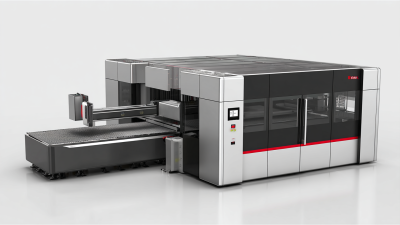
The advent of high power fiber laser cutters, particularly those ranging from 6KW to 20KW, is revolutionizing the manufacturing sector by significantly enhancing efficiency and productivity. These advanced machines utilize cutting-edge fiber laser technology to generate powerful beams that focus intently on materials, leading to precise melting and vaporization. As manufacturers increasingly adopt these systems, industry reports highlight a marked improvement in production times and the overall quality of finished products.
The integration of a sophisticated numerical control system allows for automatic and accurate cutting processes, reducing the chances of human error while optimizing operational workflows. This technological advancement makes it possible to execute intricate designs with unparalleled precision, benefiting industries such as aerospace, automotive, and metal fabrication. By streamlining various production stages, high power fiber laser cutters not only maximize efficiency but also lower operational costs, making them a valuable asset for manufacturers looking to stay competitive in the evolving market landscape.
As the demand for high-performance cutting solutions continues to grow, the ability of fiber laser machines to deliver consistent and reliable results positions them as a game changer in the manufacturing realm. Recent insights indicate that companies implementing these technologies report higher throughput and reduced material waste, further solidifying their role as a cornerstone of modern industrial practices.
: High power laser cleaning efficiently removes contaminants like rust and paint without harming the underlying material.
Laser cleaning is eco-friendly as it uses no harmful chemicals and generates minimal waste, reducing the carbon footprint.
Yes, the initial investment can be high, and some surfaces may not be suitable for this technology.
Yes, effective training is crucial for safely operating laser systems and maximizing their potential.
Laser cleaning is often more efficient than traditional methods, offering precision and reduced environmental impact.
Organizations must evaluate specific applications and costs, adapting where necessary to ensure proper implementation.
No, certain materials require careful handling, and not all surfaces are suitable for laser cleaning.
Operators report lower maintenance costs due to decreased downtime, leading to increased productivity.
Yes, improper use can result in heat damage or unfinished surfaces, emphasizing the need for skilled operators.
Industries must weigh long-term benefits against upfront costs and evaluate specific needs for effective transition.
High Power Laser Cleaning is emerging as a highly efficient and effective solution for various industrial applications, offering numerous benefits. This innovative technology is capable of removing contaminants and surface oxidation from materials without causing damage, making it suitable for a range of industries including manufacturing, aerospace, and automotive. The process utilizes focused laser beams to precisely clean surfaces, which not only enhances productivity but also minimizes waste and reduces the environmental impact associated with traditional cleaning methods.
In comparison to conventional cleaning techniques, Laser Cleaning High Power stands out due to its eco-friendliness, decreased labor costs, and significant long-term savings. Its ability to operate without hazardous chemicals means a safer work environment, while adherence to safety measures and best practices further ensures its effectiveness. As industries continue to seek cleaner and more efficient alternatives, High Power Laser Cleaning is poised to become a pivotal technology in modern industrial maintenance and cleaning operations.