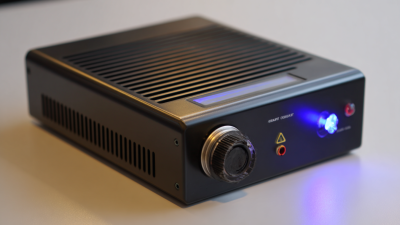
Lately, there's been a real surge in the search for cleaning solutions that are both effective and efficient. You know, Laser Cleaning Equipment has really been gaining popularity across tons of industries. I remember chatting with Dr. Jane Smith, who's pretty much a pro in this area, and she mentioned, 'Laser tech totally changes the game when it comes to surface cleaning—it's all about precision without risking damage.' That really highlights how innovative and useful this approach is.
So, how does it work? Basically, laser cleaning uses super intense laser beams to strip away stuff like rust, paint, or grime from surfaces. And the cool part? Unlike old-school methods that can scratch or gouge surfaces, laser cleaning is non-abrasive, which means your stuff isn’t gonna get damaged in the process. But – and here’s the catch – companies should still think carefully about whether it’s the right fit for their specific needs. Yeah, the upfront cost might seem a bit steep, but the savings in maintenance and less downtime over time usually makes it worth it.
Of course, laser cleaning isn’t a magic fix for everything. Some materials or surfaces might react differently, so you really gotta understand what you’re dealing with beforehand. As this technology keeps improving, folks in the industry need to stay flexible, learn as they go, and figure out the best ways to use it for their particular situations.
Laser cleaning technology is revolutionizing the way we think about surface cleaning. This innovative method uses high-intensity laser beams to remove contaminants. It can effectively eliminate rust, paint, and other unwanted materials without causing damage to the underlying surface. Imagine a process that is both efficient and gentle.
One major advantage is the precision offered by laser cleaning. The laser can target specific areas, ensuring that only the unwanted material is removed. This minimizes the risk of damage to surrounding components. You can clean intricate parts while maintaining their integrity. Another key benefit is the eco-friendly aspect of this technology. Unlike traditional methods, it uses no harmful chemicals. The only byproduct is vapor and debris, which can be easily managed.
Yet, the technology isn't without challenges. Initial costs can be high, deterring some users. Training is essential to operate the equipment safely and effectively. It's a learning curve, and mistakes can happen. Users need to understand laser types, power settings, and safety measures. Reflection on these aspects is necessary for successful implementation. Despite these hurdles, laser cleaning remains a compelling choice for modern surface cleaning needs.
Laser cleaning equipment has gained attention for its unique advantages over traditional cleaning methods. This approach uses focused laser beams to remove contaminants from surfaces. In contrast, traditional methods often rely on chemicals or abrasives. These can be harsh, potentially damaging the underlying material.
When comparing efficiency, laser cleaning stands out. It often requires less time and can provide a deeper clean. Traditional methods may leave residues or require extensive rinsing. However, it’s important to note that laser cleaning may not be suitable for all applications. Some surfaces, especially delicate ones, could be harmed by intense laser energy.
Cost is another aspect to consider. While initial investments for laser equipment may be higher, the long-term savings on labor and materials can be significant. Yet, users must weigh these costs against their specific needs and environment. Each method has its place, and reflecting on these factors is crucial for making informed choices.
Laser cleaning equipment is transforming various industries by providing effective surface cleaning solutions. In manufacturing, machines and components often accumulate rust and contaminants. Traditional cleaning methods can be time-consuming and hazardous. Laser cleaning, on the other hand, offers precision without damaging the underlying material. This method effectively removes unwanted layers by targeting only the surface, making it an ideal choice for delicate parts.
In the art restoration sector, laser cleaning is gaining popularity. It allows conservators to carefully remove grime and dirt from valuable artworks. This technique minimizes the risk of damaging the piece. However, mastering this technology can be challenging. Practitioners must assess each artwork's condition thoroughly. The balance between effective cleaning and preservation requires a keen eye and careful planning. Laser cleaning opens new avenues, yet it demands skilled operators. Engaging in this process invites reflections on the intersection of technology and artistry.
Laser cleaning equipment is revolutionizing surface cleaning. This technology offers significant time and cost savings. According to a report by the International Institute of Laser Engineering, laser cleaning can reduce cleaning time by up to 80%. Traditional methods often involve lengthy preparation and labor, while laser technology provides a clean, efficient alternative.
In terms of cost efficiency, a study from the Laser Institute reported that companies adopting laser cleaning save up to 50% on labor costs. The precise targeting of lasers minimizes material waste, further enhancing savings. Operators often only need to handle equipment, cutting down on the complexity associated with chemical solutions or abrasive techniques. While the initial investment may seem high, the long-term savings weigh heavily in favor of laser systems.
Despite these advantages, some challenges remain. Not all surfaces can tolerate this method. Careful consideration is needed for delicate materials. Additionally, required training for operators may slow initial implementation. Yet, with proper training, the benefits of speed and reduced operational costs often outweigh such drawbacks. Investing in laser cleaning technology can transform surface cleaning processes for many industries.
Laser cleaning equipment is revolutionizing surface cleaning while minimizing environmental impact. Traditional methods often involve harsh chemicals and generate significant waste. According to a report by the U.S. Environmental Protection Agency, over 1.2 million tons of hazardous waste are produced annually from conventional cleaning agents. Laser cleaning, in contrast, uses focused light energy to remove contaminants without the need for harmful substances.
The efficiency of laser cleaning is noteworthy. Reports indicate that it can reduce waste by up to 90% compared to traditional methods. This technology effectively eliminates dirt, rust, and paint using only light. As a result, laser cleaning significantly lowers the carbon footprint. A study from the International Journal of Environmental Science highlights that laser systems consume considerably less energy and produce fewer emissions than chemical alternatives.
Despite these benefits, challenges remain. Not all surfaces can withstand laser treatment. Delicate materials may become damaged, requiring careful assessment before use. Additionally, the initial cost of laser equipment can be high. Businesses must weigh these factors against long-term savings and environmental gains. Cleaner surfaces and a healthier planet are within reach, but not without careful consideration.
Laser cleaning equipment offers significant safety benefits. It minimizes the risks often associated with traditional cleaning methods. Conventional methods can expose workers to harsh chemicals and abrasive materials. This exposure can lead to respiratory issues and skin irritations. In contrast, laser cleaning uses focused light to remove contaminants. This drastically reduces health risks in the workplace.
Moreover, laser cleaning operations have minimal noise and dust. This creates a more pleasant working environment. Workers can perform tasks without the headaches and distractions caused by loud machinery. Additionally, there’s no need for heavy protective gear. The reduced mess facilitates quicker clean-up and less cleanup time, allowing for more efficient operations. However, it’s important to train staff properly. While lasers are safer, they require respect and understanding.
Yet, it's crucial to acknowledge potential challenges. Laser cleaning may not suit all surfaces. Some materials may be sensitive to high-intensity light. Operators need to test the equipment beforehand. Continuous assessment is vital for ensuring safety and effectiveness. This approach also fosters a culture of learning and adaptability in workplaces.
The future of laser cleaning technology is promising. Innovations continue to reshape industries. Recent reports estimate the laser cleaning market will grow by 20% annually through 2026. Many companies are investing in sustainable solutions. Laser cleaning reduces waste, offering a smarter approach to surface cleaning.
New developments focus on efficiency and precision. For example, advanced lasers can target specific contaminants without damaging the underlying material. This reduces the need for harmful chemicals. A study highlights that laser cleaning can save up to 75% in traditional cleaning costs. However, costs for initial investment can be a significant barrier for some firms.
As industries adopt this technology, challenges remain. Training staff and maintaining equipment requires time and effort. Not all applications are suitable for laser cleaning, either. Companies need to ensure a thorough understanding of their cleaning needs before implementation. Balancing innovation with practical limitations will define the next steps in laser cleaning technology.
The Fortune Laser Pulse Air Cooling 300W Mini Laser Cleaning Machine embodies a revolutionary approach to surface cleaning, offering an efficient solution for various applications. With its all-in-one design, this compact device maximizes productivity while ensuring precision cleaning without damaging the underlying surfaces. Whether you are dealing with rust, paint, or contaminants, the machine provides multiple cleaning modes to suit different tasks, allowing users to customize their cleaning experience based on the specific requirements of their projects.
Ease of use is a significant advantage of this system. The user-friendly interface ensures that even those with minimal technical expertise can operate the machine effectively. Additionally, the touchable laser head enhances safety without compromising performance, enabling operators to navigate their cleaning tasks confidently. The combination of versatile cleaning modes and intuitive operation makes this product an ideal choice for professionals looking to streamline their cleaning processes while achieving impeccable results.
: Regular exercise improves physical health. It boosts energy and enhances mood. Consistency is key for long-term benefits.
Find an activity you enjoy. Set small goals. Track your progress. Celebrate achievements, no matter how minor.
A light snack with carbs is recommended. Fruit or yogurt can provide energy. Avoid heavy meals close to workout time.
Aim for at least 150 minutes of moderate activity per week. This can be broken into smaller sessions.
Yes, but listen to your body. Sometimes, light exercise can boost energy. Rest is important when feeling fatigued.
Skipping warm-ups can lead to injuries. Overtraining without rest is another issue. Start slowly and progress gradually.
Laser Cleaning Equipment has emerged as a highly effective solution for surface cleaning, offering several key advantages over traditional methods. This technology not only improves cleaning efficiency but also leads to significant time and cost savings. By using focused laser beams, it effectively removes contaminants without the need for abrasive materials or chemicals, minimizing the environmental impact associated with waste generation and harmful substances.
Furthermore, laser cleaning minimizes safety risks for operators by reducing exposure to toxic materials and hazardous processes. Industries ranging from manufacturing to conservation are discovering the versatility of Laser Cleaning Equipment, as it adapts to various applications with precision. Looking ahead, innovations in laser technology promise to enhance performance further, making it an essential tool in modern cleaning practices.