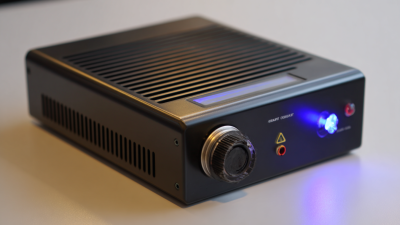
Lately, it seems like more and more industries are jumping on the laser cleaning bandwagon. People really love how efficient and eco-friendly this tech is — it’s like a win-win, you know? According to this report I read from MarketsandMarkets, the laser cleaning market is actually projected to hit around USD 4.5 billion by 2025, growing at a pretty hefty rate of 23% annually. That kind of growth definitely shows we're moving towards newer, more innovative ways of getting things clean.
Dr. Emily Carter, who’s pretty much one of the top experts in laser tech, said it best: "Laser cleaning is really changing how we prepare surfaces." Companies are catching on, seeing what these machines can do. But, of course, it’s not all smooth sailing — there are still some hurdles, like costs and getting everyone on board. Many businesses hesitate to switch from their tried-and-true methods, mainly because they worry about the upfront investment. And honestly, understanding all the ins and outs of laser cleaning can sometimes feel a bit overwhelming.
Another thing worth mentioning is user experience. People generally love the results, but some folks find that the devices don’t always feel quite right or easy to handle. There can be a bit of a learning curve, and if things aren’t straightforward, it can slow things down instead of speeding them up. So yeah, laser cleaning tech definitely has its perks, but it’s not perfect — there are a few rough edges still to smooth out.
Laser cleaning technology has become a game-changer in various industries. This method uses high-intensity laser beams to remove contaminants from surfaces. Reports indicate that the global laser cleaning market is projected to grow significantly, with an estimated value reaching $500 million by 2025. This growth highlights its effectiveness and efficiency in surface cleaning applications.
Industries are increasingly adopting laser cleaning for its precision. It is ideal for removing rust, paint, and other materials without damaging the underlying surface. For instance, in the automotive and aerospace sectors, maintaining surface integrity is crucial. Laser cleaning minimizes material loss and reduces the need for harsh chemicals. However, this technique is not without challenges. The initial cost of laser cleaning equipment can be high, which may deter smaller companies from investing. Additionally, training staff to operate this advanced equipment safely and effectively requires time and resources.
Despite its benefits, some concerns linger within the industry. Issues such as the potential for surface overheating and reflections from improper setup need careful consideration. Operators must adapt to the unique requirements of each cleaning task. These factors emphasize the need for continuous research and development in laser cleaning technology. As industries embrace this innovative approach, the demand for skilled professionals will also rise.
Laser cleaning technology has become a game-changer in surface treatment. This method uses focused light to remove contaminants and unwanted materials. It effectively cleans surfaces like metal, stone, and even delicate parts. The precision of laser cleaning means less material wear, which is crucial for maintaining the integrity of the surface.
One major advantage is its environmental impact. Unlike traditional methods, laser cleaning often requires fewer chemicals. This reduces harmful waste. It also means less cleanup afterward. However, not all surfaces react well to lasers. Some materials might face damage from extreme heat or light intensity. It’s important to test the surface before committing to a method.
Cost efficiency is another factor to consider. While initial investment may seem high, the long-term savings are significant. Fewer consumables and reduced labor can offset costs. Regular maintenance is necessary to ensure optimal performance, though. Users must be aware of these factors for successful implementation.
Laser cleaning has emerged as a revolutionary method for effective surface cleaning. Among the available options, fiber and CO2 lasers stand out. Fiber lasers are known for their efficiency and versatility. They can easily handle various materials, from metals to plastics. Their compact design makes them suitable for various applications, including industrial settings.
CO2 lasers, on the other hand, excel in specific scenarios. They work exceptionally well on organic materials. They are commonly used for cleaning purposes in the art restoration field. However, their larger size can limit their use in tight spaces. Both types have their unique advantages and limitations.
Tips: When choosing a laser cleaning system, consider the material you need to clean. Test small areas first to understand how your surface reacts. Always prioritize safety; wear appropriate protective gear. Reflect on your specific cleaning requirements. Sometimes, the best choice is not the most powerful option. The right tool fits the task at hand, even if it’s not what you expected.
When considering laser cleaning equipment, industry standards and certifications play a crucial role. These guidelines ensure safety and effectiveness in surface cleaning applications. Proper certifications indicate that a product meets specific criteria. This can include performance, environmental impact, and user safety, which are essential for industry professionals.
Regulatory bodies often set forth requirements for laser cleaning. Understanding these standards helps users select equipment that complies with safety norms. For instance, a lack of compliance may lead to potential hazards. Equipment without proper certifications can result in ineffective cleaning and, ultimately, financial loss.
Furthermore, the certification process can be complex. Many manufacturers seek to validate their products to gain market trust. However, not all follow through. This inconsistency raises questions about reliability. Users must remain vigilant and perform their due diligence when evaluating options. Recognizing the nuances of these standards can significantly impact performance and safety.
This chart illustrates key metrics for laser cleaning equipment, including laser power, cleaning speed, surface coverage, and cost. Each dimension is crucial for evaluating the effectiveness and suitability of laser cleaning technology in various industrial applications.
Investing in laser cleaning equipment can seem daunting. The initial costs may be high. However, considering long-term savings is essential. For example, traditional cleaning methods often require expensive materials and frequent labor. These recurring costs can add up quickly. In contrast, laser cleaning uses minimal consumables, providing a more sustainable solution.
Maintenance plays a crucial role in this analysis. Laser cleaning systems have fewer moving parts, which can reduce repair costs. Regular checks and occasional calibration are necessary, but they are less frequent than with other equipment. A laser cleaning system can operate for years with minimal upkeep. This reliability often makes it a sound investment.
However, the transition to laser technology isn’t always seamless. Training staff can require time and effort. There may also be a learning curve about the equipment’s capabilities. Some users report initial challenges with different materials. Understanding the nuances of laser cleaning is critical. While it can enhance efficiency, it demands attentiveness to detail. This reflection on operational hurdles is important for making an informed decision.
Laser cleaning has emerged as a transformative solution across various industries. In the manufacturing sector, companies have implemented laser technology to remove rust and contaminants from metal surfaces. This process reduces waste generated by traditional cleaning methods. A case study demonstrated significant time savings when lasers were applied to a heavy machinery component. However, some users reported inconsistencies in cleaning depth.
In the conservation field, laser cleaning has been successfully used on historical artifacts. Cultural institutions adopted this method to preserve delicate surfaces without damaging them. Yet, the fine balance between removing dirt and protecting the substrate poses challenges. Some professionals have indicated that laser parameters require careful adjustment. An oversight in settings can lead to uneven results or surface damage.
The automotive industry also benefits from laser cleaning. It helps in preparing surfaces for paint application, leading to better adhesion. A case study revealed marked improvements in paint durability. Still, training personnel on laser operation is crucial. There are instances where improper technique resulted in higher operational costs due to redoing tasks. Continuous learning is essential for effective implementation.
| Industry | Application | Equipment Type | Successful Outcome |
|---|---|---|---|
| Manufacturing | Rust Removal from Metal Parts | Portable Laser Cleaner | Increased production efficiency and reduced downtime |
| Automotive | Cleaning Injection Molds | High-Power Laser System | Improved mold quality and reduced scrap rate |
| Aerospace | Surface Preparation for Coating | Robotic Laser Cleaning Arm | Enhanced surface adhesion and coating durability |
| Shipbuilding | Cleaning Ship Hulls | Industrial Laser Cleaner | Reduced maintenance costs and improved operational safety |
| Construction | Removing Paint from Steel Beams | Compact Laser Cleaning Unit | Faster project timelines and less environmental impact |
Laser cleaning technology is rapidly evolving. The future promises more eco-friendly and efficient solutions. Innovations in laser systems will enhance their versatility. They will clean a range of surfaces, from metals to glass. With advancements, the cost of operation may decrease. This could make laser cleaning accessible for more industries.
Tip: Always assess your surface type before choosing a laser system. Different materials may react differently to laser cleaning.
Wireless technology is a game-changer. Remote operation can enhance safety and precision. Real-time monitoring will improve cleaning quality. However, these innovations require thorough testing. The effectiveness and efficiency of new technologies must be validated in real conditions.
Tip: Keep up with industry news. Understanding the latest trends can inform better purchasing decisions. Staying informed about new innovations can help you choose wisely.
: This product aims to enhance daily living. It offers unique features for improved convenience.
Follow the instructions provided. Start with simple tasks. Gradually explore advanced functions for better results.
Yes, always use in a well-ventilated area. Keep away from water. Avoid using near heat sources.
Check the user manual for troubleshooting steps. Often, restarting solves many basic problems.
Yes, it has versatile applications. However, effectiveness may vary with each use. Experiment to find what works best.
Regular cleaning is essential. Neglecting it may lead to performance issues. Ensure it stays in proper condition.
Feel free to reach out for support. Responses may vary, but we strive to help as much as possible.
Sharing is possible, but individual performance may differ. Each person’s experience will be unique.
It may not perform optimally in all conditions. Results can vary based on usage and environment.
It works with various systems, but not all. Consider your setup carefully to ensure proper functionality.
Laser cleaning equipment has emerged as a revolutionary solution for surface cleaning across various industries. The overview of these systems highlights their diverse applications, from rust removal to delicate cleaning of historic artifacts. One of the key advantages of laser cleaning technology is its efficiency and precision, which minimizes damage to the underlying material while ensuring a thorough clean.
When comparing laser cleaning systems, fiber and CO2 lasers each have unique benefits catering to different cleaning needs. Additionally, adhering to industry standards and certifications is crucial for ensuring the safety and reliability of the equipment. A cost analysis reveals that while the initial investment in laser cleaning equipment may be higher, the long-term savings in maintenance and material preservation can be substantial. Successful case studies demonstrate the effectiveness of laser cleaning in various sectors, paving the way for future innovations and advancements in this technology.