In today’s industrial world, more and more folks are looking for smarter ways to remove rust, and laser cleaning is definitely gaining some serious traction. I mean, a recent report from Grand View Research mentioned that the laser cleaning market might hit around $1.68 billion by 2026. That’s a pretty big deal, and it shows we're moving towards more eco-friendly and efficient rust removal options. Experts in the field are pretty excited about how laser tech can make a difference. Dr. Michael Thompson, who’s kind of a big name in laser applications, points out that laser cleaning is all about precision, speed, and being greener — stuff traditional methods just can’t compete with.
Companies like CleanLaser and LaserPecker are really pushing the envelope here. They’re offering some seriously advanced laser systems that can do everything from rust removal to other industrial tasks. That said, it’s not all smooth sailing—some folks find it a bit tricky to get the hang of operating these laser systems. Plus, the initial investment isn’t cheap, which might put small businesses off from jumping in right away. Still, many believe that in the long run, laser cleaning can actually save money thanks to its precision.
As this technology keeps evolving, it’s super important to tackle these hurdles. Providing better training for users and exploring flexible financing options could really help make laser cleaning more accessible for everyone. Overall, while there’s a ton of potential here, making the experience easier for users is definitely a key piece of the puzzle for future growth.
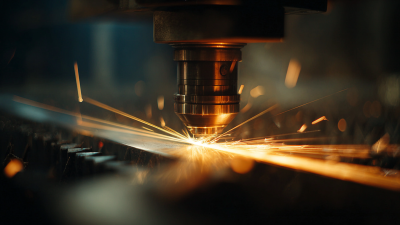
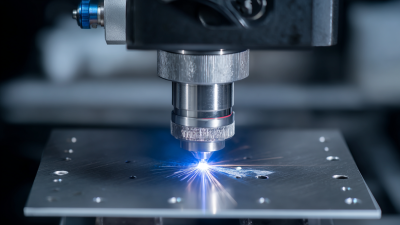
Laser cleaning technology has emerged as a powerful solution for rust removal. It offers a non-abrasive method, using focused laser beams to eliminate rust and contaminants. This technique is different from traditional methods that often rely on chemicals or heavy equipment. Laser cleaning minimizes environmental impact and provides quicker results.
One significant advantage lies in its precision. The laser can target specific areas without harming the underlying material. This is particularly useful for delicate components. However, it does require skilled operators who understand how to adjust settings for different surfaces. Users must also consider the initial investment in equipment and training.
Despite its effectiveness, challenges exist. Not all rust can be removed completely with lasers. In some cases, rust may require multiple treatments. Additionally, safety precautions are crucial. Protective gear and proper ventilation are necessary to avoid exposure to harmful laser emissions. Overall, while laser cleaning technology offers innovative rust removal solutions, it requires careful implementation and consideration of its limitations.
| Model | Power Output (W) | Cleaning Speed (m²/h) | Weight (kg) | Portability |
|---|---|---|---|---|
| Laser Model A | 500 | 5 | 15 | Portable |
| Laser Model B | 1000 | 10 | 25 | Stationary |
| Laser Model C | 750 | 7 | 20 | Portable |
| Laser Model D | 2000 | 15 | 40 | Stationary |
Laser cleaning technology has evolved significantly, offering efficient solutions for rust removal. In 2026, various types of laser cleaners cater to different needs and applications. These advanced tools utilize high-intensity laser beams to eliminate rust and contaminants with precision.
Among the types available, fiber lasers stand out for their adaptability in industrial settings. They are effective on diverse materials and can handle complex surfaces. Another option is solid-state lasers, which are known for their robustness and energy efficiency. They excel in removing thick layers of rust but may require careful handling to prevent surface damage. Additionally, advancements in handheld laser cleaners allow for greater flexibility and ease of use in various environments.
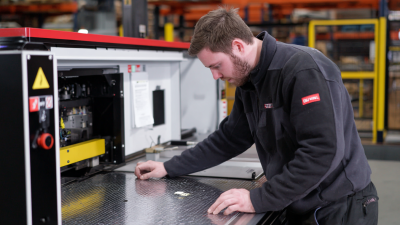
However, the technology is not without challenges. The setup can be complex, and operators need proper training to ensure safety and effectiveness. Misalignment or improper settings may lead to uneven cleaning results. Furthermore, while these tools are powerful, upkeep can be costly in terms of maintenance. It’s essential to evaluate your cleaning requirements and budget before choosing a laser cleaner.
When exploring laser cleaners for rust removal, several key features stand out. One essential aspect is the power output. Professionals often recommend a minimum of 100 watts for effective rust removal. Higher wattage allows for faster processing times and greater efficiency in surface cleaning.
Another feature to consider is the type of laser used. Fiber lasers are typically the preferred choice in industrial settings. They offer precise targeting and can work on various materials without damage. According to industry reports, using fiber lasers can reduce cleaning time by up to 75%, making them a vital tool for maintenance teams.
Finally, user-friendly controls are crucial for efficient operation. The best laser cleaners come with intuitive interfaces, allowing quick adjustments during use. Simplicity in control reduces human error, minimizing chances of ineffective cleaning. Regular training can help operators maximize the potential of their equipment. Yet, as technology evolves, users must adapt. The challenge lies in integrating new features while leveraging existing knowledge. Balancing innovation with expertise is key in the ever-changing landscape of laser cleaning solutions.
In recent years, laser cleaning has transformed the industry of rust removal. This technology is both efficient and environmentally friendly. Research indicates that laser cleaning can remove up to 99% of rust in a single pass, which significantly reduces the time needed compared to traditional methods.
Many experts recommend using lasers with a power output between 500 to 1,000 watts for optimal results. This range effectively handles tough rust without damaging the underlying material. For instance, studies show that higher power lasers can accelerate cleaning time by 30% or more. However, excessive power can lead to collateral damage. Technicians should always evaluate the type of surface being treated.
Tips: Prioritize safety when operating lasers. Always wear protective gear to shield your eyes and skin. Regular maintenance of the laser equipment ensures efficiency. Also, compare different machines before making a choice. Evaluate factors like weight, portability, and ease of use. A lightweight model may be less powerful, but it can enhance maneuverability and precision during cleaning.
Laser cleaners have gained popularity for their effectiveness in rust removal. These devices use focused laser beams to ablate rust from surfaces, offering precise cleaning without damage. A report from the International Journal of Advanced Manufacturing Technology states that laser cleaning can achieve a rust removal efficiency of up to 95% in metal components. This high efficacy underscores the technology's reliability in industrial applications.
One significant benefit of laser cleaners is their environmental impact. Unlike traditional methods that often rely on toxic chemicals or abrasive materials, laser cleaning is sustainable. A study by the European Commission indicated that laser cleaning emits zero harmful substances into the environment. This reduction in chemical usage is crucial for industries aiming to lower their ecological footprint.
However, it's important to acknowledge some limitations of laser cleaning. The initial cost of this technology can be high, which may deter some users. Additionally, not all surfaces are suitable for laser treatments. Factors such as material type and surface condition must be considered. Ultimately, while laser cleaning presents robust advantages, thorough evaluation is essential before implementation.
When operating laser cleaning equipment, safety precautions are paramount. Laser systems can emit intense beams that may cause serious injuries. As per industry standards, protective eyewear should always be worn. This eyewear must meet specific optical density ratings to effectively block harmful wavelengths. Not wearing appropriate goggles can lead to permanent vision damage, which is irreversible.
Moreover, proper training is essential. According to data from safety organizations, nearly 25% of injuries in workplaces involving laser equipment stem from insufficient training. Workers must understand the risks and the functionality of laser cleaners. They should know emergency protocols. Having a clear understanding reduces accidents and promotes a safer working environment.
In addition to personal protective equipment, maintaining a clean work area is crucial. Clutter can lead to distractions and mishaps. Setting up barriers or shields around the cleaning area can also protect bystanders. Reports indicate that 40% of laser-related incidents occur due to lack of safety measures. Reflection on past incidents can guide enhancements in the use of laser cleaning technologies. A culture of safety should always accompany advancements in techniques.
Laser cleaning technology is evolving rapidly, driven by the need for efficient rust removal solutions. Future trends indicate a shift toward more advanced laser systems. These systems will feature higher power outputs, enabling faster and more effective cleaning. Enhanced precision will also be a key focus, allowing operators to target rust without damaging surrounding materials.
Emerging innovations include the use of automated robotic systems for laser cleaning. These robots will improve workflow efficiency and reduce the need for manual labor. However, the integration of such technology raises challenges. Operators will need thorough training to handle advanced equipment safely. Additionally, the cost of implementing these systems might deter some businesses.
Sustainability is another crucial trend. Future laser cleaners will likely incorporate eco-friendly features. This will help reduce waste and the environmental impact of rust removal processes. As these technologies progress, industries must adapt to new methodologies. They must also critically assess the cost versus benefits of investing in advanced solutions. Therefore, while the future looks promising, there are still hurdles to overcome.
: Laser cleaning uses lasers to remove rust and contaminants. It's efficient and environmentally friendly.
Laser cleaning can remove up to 99% of rust in one pass. This saves significant time compared to traditional methods.
Lasers between 500 to 1,000 watts are suggested for effective rust removal without damaging surfaces.
Excessive power may cause collateral damage to surfaces. Evaluate the material type carefully before use.
Safety is crucial. Intense beams can cause serious injuries, including permanent vision damage if protective gear is not worn.
Protective eyewear must block harmful wavelengths. Make sure it meets industry standards to ensure safety.
Insufficient training contributes to nearly 25% of laser-related injuries. Proper training reduces accidents and enhances safety.
A clean work area minimizes distractions. Clutter can lead to accidents, highlighting the need for organization.
Reports show that 40% of laser-related incidents occur due to a lack of proper safety measures.
Reflecting on past incidents can help improve safety measures, creating a strong culture of safety in workplaces.
The article "2026 Best Laser Cleaner for Efficient Rust Removal Solutions" provides a comprehensive overview of advanced laser cleaning technology specifically designed for rust removal. It explores various types of laser cleaners available in 2026 and highlights key features to consider when choosing the right equipment. The comparative analysis of top laser cleaners presents insights into their efficiency, usability, and performance, while emphasizing the numerous benefits of using laser cleaners for rust removal, including minimal waste and environmental impact.
Additionally, the article addresses essential safety precautions necessary for operating laser cleaning equipment effectively. It concludes by discussing future trends in laser cleaning technology, predicting enhancements in efficiency and safety. Overall, this guide serves as a valuable resource for those seeking effective and innovative solutions for Laser Cleaner Rust Removal.