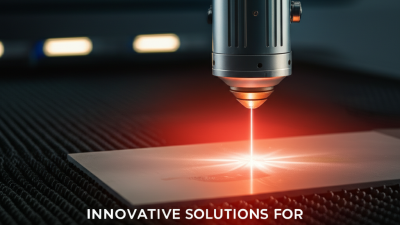
In recent years, Laser Cleaner Rust Removal has gained significant traction in various industries. This innovative approach offers an efficient and effective way to eliminate rust without damaging underlying surfaces. According to a report by Global Market Insights, the laser cleaning market is expected to reach $1.2 billion by 2026, indicating a robust shift towards more sustainable cleaning solutions.
Dr. Emily Carter, a leading expert in material conservation, emphasizes the importance of this technology. She stated, "Laser cleaning not only improves efficiency but also minimizes environmental impact." This method enhances productivity while reducing the need for harmful chemicals. However, challenges still exist in adapting the technology to various materials.
While the benefits are undeniable, the learning curve can be steep for some operators. Moreover, investment costs may pose barriers for small businesses. Despite these challenges, the future of Laser Cleaner Rust Removal remains bright, promising more versatility and innovation in the years to come.
Laser technology for rust removal offers significant benefits that are worth exploring. This method uses focused light beams to eliminate rust effectively. It is precise, targeting only the affected areas without damaging the surrounding material. This precision helps preserve the integrity of objects, especially sensitive equipment or historical artifacts.
Using a laser cleaner also minimizes waste. Unlike traditional methods, which require abrasive materials, lasers use energy to achieve the same result. The process is cleaner, as it produces less airborne debris and harmful residue. Additionally, it is safer for the environment. Yet, not all surfaces may respond well to laser cleaning, so testing is essential.
Another advantage is the speed of the process. Laser cleaning can often be completed in less time compared to conventional techniques. However, it does require skilled operators. Training is crucial to ensure effective use, and mistakes can lead to uneven cleaning or surface damage. Understanding these challenges helps maximize the effectiveness of laser rust removal.
Laser cleaners utilize advanced technology to effectively remove rust. The process involves focusing high-powered laser beams onto the rusted surface. This energy heats the rust, causing it to break apart from the underlying material. The technique minimizes damage, ensuring the base material remains intact.
The science behind laser cleaning is intriguing. Lasers emit light at specific wavelengths, which are absorbed by rust more than by metal. This selectivity allows for precise removal. Additionally, the process generates minimal waste, making it an eco-friendly option. Observing this technology highlights both its precision and potential pitfalls.
While laser cleaning is efficient, it requires skilled operators to achieve optimal results. Training and experience are crucial in mastering the equipment. Moreover, understanding the surface condition is vital. Not every surface may react the same way. Striking a balance between method and material is essential for success.
Laser cleaning for rust removal presents several environmental advantages. Unlike traditional methods, it uses no harmful chemicals. This means less pollution in our air and water. The process often uses only light and energy, which are more sustainable options. There is no need for abrasive materials, reducing waste generation.
Moreover, laser rust removal generates minimal dust. Conventional techniques can create airborne particles that pose risks. With lasers, the rust is carefully removed without spreading debris. They also consume less energy over time compared to chemical methods. This efficiency leads to a lower carbon footprint.
However, the technology requires skilled operators. Misuse can lead to excessive energy usage. Training needs time and resources, which not every company may have. Despite these challenges, laser cleaning stands out. It represents a forward-thinking approach to an age-old problem.
Laser cleaning has emerged as a modern solution for rust removal, offering distinct advantages over traditional methods. Unlike chemical or abrasive techniques, laser cleaning uses focused light to remove rust efficiently. According to a recent industry report, laser cleaning can achieve up to 90% efficiency in rust removal, while traditional methods often struggle to exceed 70%. This means less time spent and more thorough results with lasers.
Traditional techniques tend to produce waste materials, requiring additional cleanup. Moreover, methods like sandblasting can cause surface damage, especially on delicate components. In contrast, laser cleaning minimizes surface impact. A study shows that lasers reduce the risk of substrate damage by about 50%. This precision highlights a critical benefit but also raises questions about the learning curve for operators to master this technology.
The initial investment in laser equipment may be high. Many companies hesitate, swayed by the upfront costs. However, operational savings and reduced downtime can offset these expenses over time. Maintenance costs of traditional methods often add up, making laser cleaning a potentially cost-effective long-term solution. Yet, some operators still feel uncertain about fully embracing this technology.
| Criteria | Laser Cleaning | Traditional Techniques |
|---|---|---|
| Effectiveness | High precision, can remove rust from intricate areas. | Effective but may not reach all surfaces without multiple methods. |
| Environmental Impact | No chemicals used, minimal waste. | Often requires chemical agents, generates more waste. |
| Cost | Higher initial investment but lower long-term costs. | Lower initial cost but higher maintenance and chemical costs. |
| Safety | Generally safe with proper training and equipment. | Safety concerns due to chemicals and dust. |
| Time Efficiency | Fast process that reduces downtime. | Often a slower process, increases downtime for machinery. |
| Residual Cleanliness | Leaves surface clean and ready for further treatment. | May require further cleaning after removal. |
Investing in laser cleaning technology for rust removal can lead to significant economic considerations. The high initial costs of laser systems can be daunting. These systems often require specialized training for operators. Additionally, maintenance costs may arise, which can not be overlooked. Effective budgeting is essential to ensure these costs align with operational budgets.
Despite the cost concerns, laser cleaning offers distinct advantages. It is a chemical-free process, reducing the need for costly chemical disposal. Labor costs may decrease, as this technique can be automated. However, the transition from traditional methods can pose challenges. Businesses may face resistance in adapting to new processes.
When contemplating the costs involved, it's essential to weigh the long-term savings against initial investments. Understanding the overall efficiency can prove beneficial. Businesses should assess their unique needs and the specific applications for laser cleaning. It may not suit every scenario, but for many, it can be worth the investment.
Safety is crucial when using laser cleaners for rust removal. These devices emit concentrated beams of light, which can be hazardous if not handled properly. Protective eyewear is essential. It shields your eyes from the intense light. Skin exposure should also be minimized, as burns can occur. Gloves and long-sleeve clothing provide good protection.
Additionally, the workspace needs to be secure. Proper ventilation is important to avoid inhaling any particles released during the cleaning process. Dust and debris can pose respiratory risks. It's good to keep a fire extinguisher nearby. Even though laser cleaning generates less heat than traditional methods, accidents can happen.
Monitoring the equipment is a must. Regular checks ensure it functions well and safely. Despite the advanced technology, there's a learning curve. Misjudgments in distance or angle can lead to damage. Safety precautions shouldn't be overlooked. Always prioritize safety to prevent injuries and ensure an effective cleaning process.
Laser cleaning technology is gaining traction across various industries. Its precision makes it a preferred method for rust removal in sensitive applications. In the automotive sector, laser cleaning helps restore surfaces on classic cars. It removes rust without damaging underlying materials. This ensures the integrity of intricate designs.
In the heritage conservation field, laser cleaning plays a vital role. Historical artifacts and buildings require gentle yet effective rust removal. Laser technology can precisely target unwanted materials. This protects the original structure and detail of the piece. Yet, conserving history is not without challenges. The right settings are crucial to avoid unintended damage.
Manufacturing also benefits from laser cleaning. Equipment used in production processes often develops rust. Regular maintenance with laser technology extends equipment lifespan. However, it requires skilled operators. The learning curve can be steep, leading to potential missteps. Understanding how to adjust settings takes time and practice. Investing in training becomes essential for success.
: The content discusses various topics related to personal growth and self-improvement.
Begin with small, achievable goals. Write down your aspirations and track your progress daily.
Some challenges include lack of motivation, fear of failure, and negative self-talk.
Setting clear goals provides direction. It helps you stay focused and measures progress along the way.
Yes, feeling overwhelmed is common. Take breaks and practice mindfulness to manage stress better.
Surround yourself with positive influences. Joining supportive communities can help you stay on track.
Setbacks are part of the journey. Reflect on them and learn to bounce back stronger.
Regular reviews keep you accountable. It can be weekly or monthly, based on your preference.
Reconnect with your reasons for improvement. Visualize your goals to reignite your passion.
Reflection provides insights. It allows you to understand your progress and adjust your strategies.
Laser Cleaner Rust Removal offers a modern approach to effectively eliminating rust with several advantages over traditional methods. Utilizing laser technology not only enhances the efficiency of the rust removal process but also minimizes environmental impact by reducing waste and eliminating hazardous chemicals. The science behind laser cleaners involves high-intensity beams that precisely target and vaporize rust without damaging the underlying material, making it suitable for various applications across industries.
Additionally, while the initial costs of implementing laser cleaning solutions may be higher, the long-term savings on maintenance and labor can be significant. Safety considerations are paramount when using laser cleaners, necessitating proper training and protective measures for operators. Ultimately, the benefits of Laser Cleaner Rust Removal lie in its effectiveness, safety, and eco-friendliness, positioning it as a leading choice for industrial rust management.