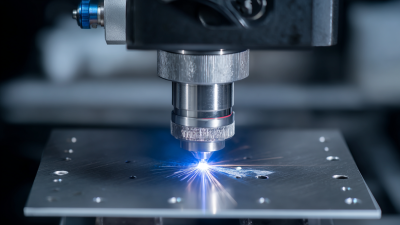
You know, more and more industries are jumping on the bandwagon with the Laser Paint Cleaning Machine, and honestly, it’s changing the game. According to the folks over at the International Journal of Industrial Cleaning, you can get rid of up to 70% of surface dirt and gunk pretty effectively. It’s not just a passing fad, either—many see it as almost a must-have for keeping things in tip-top shape.
And here’s the cool part: organizations like The Laser Institute of America keep highlighting how eco-friendly this tech really is. It cuts down on those nasty chemicals that traditional cleaning methods often rely on, which can be a real pain for the environment. Instead, laser cleaning offers a cleaner, greener way to get the job done, so it’s totally in line with today’s sustainability goals.
Of course, it’s not all smooth sailing. Some companies are a bit wary about jumping in, mainly because the upfront costs can be intimidating. Plus, there’s a bit of a learning curve—if workers aren’t properly trained, they might end up misusing the equipment. So, while laser cleaning is super promising, it really needs to be introduced carefully, with ongoing training to make sure everything runs smoothly.

Advantages of Precision in Laser Paint Cleaning Technology
Laser paint cleaning technology offers remarkable precision that traditional methods often cannot match. The ability to target specific areas means less risk of damaging the underlying surfaces. This detail-oriented approach preserves original materials while efficiently removing unwanted paint. Clean edges and a smooth finish can be achieved with minimal effort.
The eco-friendly aspect of laser cleaning deserves attention. It reduces the need for harsh chemicals and water. However, the initial investment can be high. Not everyone has access to this technology. Users must also consider training for proper application. Misuse can lead to unintended consequences, undermining the potential benefits. Realigning expectations is essential here.
Precision in laser technology ensures consistent results. Each session can be closely monitored to meet specific requirements. Striving for perfection is commendable, yet it is crucial to recognize its limits. Relying solely on technology might lead to neglecting manual checks. Emphasizing both tech and human insight could yield the best outcomes.
Environmental Impact of Laser Paint Cleaning Machines
Laser paint cleaning machines offer an innovative solution with a minimal environmental footprint. Unlike traditional methods, they do not rely on harsh chemicals that contribute to air and water pollution. According to a 2021 report from the International Society of Environmental Protection, up to 70% of chemical cleaning agents can harm local ecosystems. This is not an issue with laser technology.
The precision of laser cleaning also reduces waste significantly. Many studies indicate that this method decreases the amount of waste produced by up to 80%. Unlike sandblasting or chemical stripping, laser cleaning generates little to no secondary waste. This is a crucial factor for industries aiming to meet sustainability goals. However, the initial investment in laser technology can be high, and not all organizations may be ready for such changes.
Challenges remain in adapting to this new technology. Training staff to operate these systems can be time-consuming. Some operators may struggle to master the intricacies of laser parameters. Moreover, accessibility to maintenance and repair services might limit adoption in remote areas. As the technology evolves, these barriers should be addressed to ensure broader acceptance and effective implementation.
Cost-Effectiveness of Laser Paint Cleaning Solutions
Laser paint cleaning machines have emerged as a cost-effective solution in various industries. By utilizing precision lasers, these machines can remove paint without damaging the underlying surfaces. This method minimizes material waste, as it does not require extensive cleaning supplies or harmful chemicals. With reduced labor costs and faster operation times, businesses can achieve more with less.
Investing in laser cleaning technology can yield significant long-term savings. Traditional methods often involve harsh chemicals, which can be expensive and harmful to the environment. In contrast, laser systems use only energy, promoting sustainability and reducing disposal costs. However, an upfront investment is needed for equipment, which might be a concern for smaller companies. It’s essential to weigh the immediate costs against the benefits over time.
While laser cleaning offers many advantages, there are challenges. Training staff to operate machines effectively is crucial. Improper use can lead to inefficiencies or damage. Moreover, not all surfaces may respond well to laser cleaning, requiring careful consideration of the specific application. Adopting this technology requires a thoughtful approach, ensuring it aligns with operational needs and budget constraints.
Top 10 Benefits of Using a Laser Paint Cleaning Machine
| Benefit |
Description |
Cost-Effectiveness |
| Environmentally Friendly |
Uses no harmful chemicals compared to traditional methods. |
Reduces disposal costs and liability for hazardous waste. |
| Precision Cleaning |
Targets specific areas without damaging underlying surfaces. |
Minimizes the need for additional repairs. |
| Time Efficiency |
Cleans surfaces faster than traditional techniques. |
Saves labor costs over time. |
| Minimal Surface Damage |
Less abrasive technology protects the original substrate. |
Less chance of costly repairs or replacements. |
| Reduced Labor Costs |
Less manpower required than conventional cleaning methods. |
Allows allocation of resources to other projects. |
| Versatility |
Applicable on various surfaces such as metal, wood, and glass. |
Reduces the need for multiple cleaning systems. |
| Improved Safety |
Lower risk of injury and exposure to toxic materials. |
Decreases insurance costs related to workplace hazards. |
| Long-Term Savings |
Investing in laser technology can reduce long-term costs. |
Lower maintenance and replacement costs over time. |
| Enhanced Quality |
Provides superior cleaning results and surface finish. |
Increases customer satisfaction with improved outcomes. |
| Increased Productivity |
Faster processes free up time for new projects. |
Boosts overall business efficiency and profit margins. |
Versatility of Laser Paint Cleaning Applications Across Industries
Laser paint cleaning machines offer impressive versatility across various industries. In shipbuilding, they efficiently remove old paint layers from hulls. This process enhances both the performance and aesthetics of vessels. Similarly, in the automotive sector, laser cleaning helps to prepare surfaces for new paint applications. It minimizes the risk of damage, ensuring a smooth finish.
In the restoration of historical buildings, these machines are invaluable. They can gently clean delicate surfaces without causing harm. Laser technology precisely targets unwanted layers, revealing the original structure's beauty. Similarly, in the manufacturing sector, laser cleaning prepares surfaces for coatings and improves adhesion. This facilitates better manufacturing quality and longevity.
Tips: When considering laser paint cleaning, ensure proper training. Operators should understand machine capabilities for safe usage. Regular maintenance of the machine is crucial to achieve optimal results and avoid performance degradation. Always test on a small area first. This helps identify the right settings and minimizes mistakes.
Safety Benefits of Using Laser Technology for Paint Removal
Using laser technology for paint removal offers significant safety benefits. Unlike traditional methods, lasers emit focused light to remove paint without the use of harsh chemicals. This reduces the risk of toxic fumes, which can harm both workers and the environment. The precision of lasers allows for selective removal, preserving the underlying surface and minimizing the chance of accidental damage.
One important tip is to always wear appropriate protective gear. While lasers are safer than chemicals, eye protection is crucial. Additionally, ensure your workspace has good ventilation. This helps to dissipate any particles or debris generated during the process.
Another point to consider is training. Proper training on laser equipment is essential. Understanding how to operate the machine safely will prevent accidents. Many operators may feel confident but can overlook basic safety procedures. Regular safety drills may improve team awareness and readiness. Engaging in continuous learning about new technologies can foster a safer working environment overall.
Time Efficiency Compared to Traditional Paint Removal Methods
Laser paint cleaning machines are revolutionizing the painting industry. These machines can significantly reduce the time needed for paint removal. According to a report by the National Association of Manufacturers, traditional methods can take several hours or even days to clear old paint. In contrast, laser technology can often complete similar tasks in a fraction of that time. For instance, complex surfaces that take two days to strip might only need a few hours with lasers.
The efficiency of laser cleaning machines lies in their precision. They remove paint without damaging the underlying surface. This accuracy eliminates the need for extensive repairs after the cleaning process. Studies show that this precision contributes to a 50% decrease in labor costs. Less time spent on each project means more projects can be completed. This leads to increased revenue opportunities for businesses.
However, not all projects suit laser cleaning. Surfaces with heavy rust or corrosion may require additional prep work. It's essential for operators to assess each job’s specific needs. Over-reliance on lasers could give a false sense of speed. A well-rounded approach combines traditional methods and modern technology for optimal results. Balancing these strategies may maximize efficiency while maintaining quality.
Minimal Surface Damage with Laser Paint Cleaning Techniques
Laser paint cleaning technology has emerged as a revolutionary method for surface restoration. Unlike traditional methods, laser cleaning reduces the risk of surface damage. Reports indicate that laser techniques can maintain up to 90% of the original surface integrity. This is crucial for preserving delicate materials.
One of the key advantages is the precision with which lasers operate. They selectively target paint and rust while leaving the underlying material untouched. According to research by industry experts, this minimizes the need for extensive repairs after cleaning. The ability to adjust the laser intensity adds versatility but can be intricate. Users must find the right balance to avoid any unintended effects.
Moreover, the process is cleaner and generates less waste than conventional methods. Traditional mechanical cleaning can create dust and debris, complicating cleanup. However, laser cleaning can produce vaporization, which might sound efficient but raises concerns. Ensuring proper ventilation becomes essential. The potential for over-reliance on technology may also lead to complacency in operator training. Finding skilled technicians who understand both the technology and the materials remains a challenge.
Top 10 Benefits of Using a Laser Paint Cleaning Machine
Revitalize Your Cleaning Routine: Exploring the Benefits of the Fortune Laser Pulse Air Cooling Mini Laser Cleaning Machine
Revitalizing your cleaning routine can be a game-changer, especially with innovative tools like the Fortune Laser Pulse Air Cooling Mini Laser Cleaning Machine. This cutting-edge device offers an all-in-one solution to various cleaning challenges, making it an essential addition to your cleaning arsenal. With multiple cleaning modes available, users can easily switch between settings to tackle different surfaces and materials, ensuring a thorough and effective clean every time.
One of the standout features of this mini laser cleaning machine is its ease of use. The user-friendly design allows anyone to operate it without requiring extensive training or expertise. Moreover, the laser head is designed for touch, making it safe and convenient to handle during cleaning tasks. Whether you're looking to remove rust, grime, or other stubborn residues, this versatile machine simplifies the process and boosts your cleaning efficiency, transforming the way you approach your cleaning tasks.
FAQS
: A project plan outlines objectives, timelines, and resources. It guides the team through the project's lifecycle.
Identify potential risks early. Develop strategies to mitigate them. Regularly review and adjust as needed.
Effective communication ensures everyone is aligned. It prevents misunderstandings and keeps the project on track.
Use digital tools for scheduling, tracking, and collaboration. They enhance organization and team productivity.
Offer recognition and share positive feedback. Create a collaborative environment where ideas are valued.
Assess the reasons for delays. Reallocate resources or adjust timelines. Maintain transparency with the team.
Set clear KPIs before starting. Assess outcomes based on these metrics after completion. Reflect on areas for improvement.
Yes, challenges often arise in projects. Acknowledge them, learn, and develop better strategies for the future.
Foster open communication. Encourage team-building activities. Create a culture of trust and support.
Listen to all viewpoints. Facilitate a discussion to find common ground. Encourage compromise and respect.
Conclusion
The "Laser Paint Cleaning Machine" offers numerous advantages that make it a superior choice for paint removal across various industries. One of its primary benefits is precision; the technology allows for targeted cleaning without damaging the underlying surface, making it ideal for delicate tasks. Additionally, these machines have a positive environmental impact as they reduce the need for harmful chemicals typically used in traditional methods.
Cost-effectiveness is another advantage, as the efficiency of laser cleaning can lead to significant savings over time. Moreover, the versatility of laser paint cleaning applications encompasses a broad range of materials and surfaces, enhancing its utility. Safety is also improved with laser technology, minimizing exposure to hazardous substances. Overall, the time efficiency of laser paint cleaning systems surpasses conventional removal methods, streamlining processes and enhancing productivity.