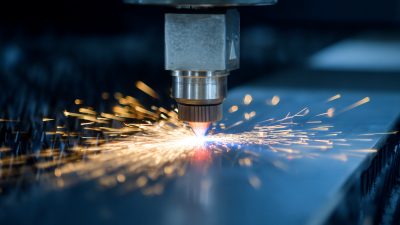
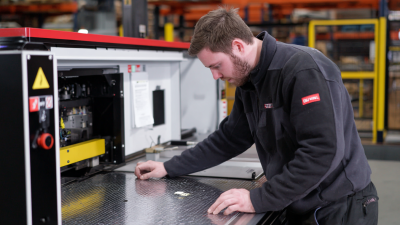
Lately, I've noticed that Laser Cleaner Rust Removal has really been gaining popularity across different industries. I read somewhere that, according to the International Society of Automation, laser cleaning can be twice as efficient as the traditional methods—pretty impressive, right? It’s no wonder a lot of sectors like automotive and aerospace are starting to jump on board.
Dr. Emily Carter, who’s pretty much an expert in surface treatments, even calls laser cleaning a total game-changer for keeping metals in good shape. The thing is, even though more manufacturers are giving it a shot, a lot of folks still haven't fully grasped all the benefits it offers. The upfront costs and worries about whether it’ll work with their existing setups can be real hurdles. But honestly, the long-term savings and the fact that it’s better for the environment make it worth considering.
Plus, laser cleaning doesn’t just get rid of rust — it also avoids using nasty chemicals, which is a huge plus. And because it’s so precise, it won’t damage the underlying surfaces. That said, some companies have a tough time getting it right at first, leading to mixed results. As the industry keeps moving forward, spreading awareness and learning more about this tech will be key to fully unlocking its potential.
Laser cleaning technology is transforming rust removal in industrial applications. The precision of laser cleaning systems allows for the effective removal of rust without damaging the underlying metal. According to a recent industry report, laser cleaning can reduce rust removal time by up to 80%. This efficiency means lower labor costs and increased productivity.
The environmental benefits are significant as well. Laser cleaning generates less waste compared to traditional methods, leading to a cleaner workplace. Data from environmental studies indicate that 70% less chemical waste is produced with laser cleaning. This aligns with increasing industry standards for sustainability. However, implementing such technology requires training and investment, which can deter some companies from making the transition.
Despite the benefits, laser cleaning is not a one-size-fits-all solution. Some surfaces may not respond well to laser treatment. Different materials react differently to lasers. This variability necessitates testing and evaluation, which could slow down the implementation process. Industries must weigh the advantages against potential challenges to find the best method for their needs.
Laser cleaning technology is gaining traction for rust removal. It offers an effective solution that is often more cost-efficient than traditional methods. Traditional rust removal can involve sandblasting or chemical treatments. These methods can be expensive and time-consuming.
In contrast, laser cleaning can be faster and less labor-intensive. This makes it an attractive option for many businesses looking to cut costs.
Additionally, the initial investment in laser cleaning equipment may seem high. However, the long-term savings often outweigh these initial costs. Reduced labor times mean fewer labor hours spent on rust removal. Plus, there's less waste and fewer materials needed, leading to lower disposal fees. Lack of chemical hazards in laser cleaning also reduces environmental compliance costs.
While laser cleaning offers many advantages, it’s not a one-size-fits-all solution. It may struggle with heavy, thick rust layers. In such cases, traditional methods may still be necessary. Finding the right balance between cost and efficiency is essential. Decision-makers should evaluate the specifics of their projects. Careful consideration ensures the best results, regardless of the method chosen.
Laser cleaning technology offers a cleaner alternative for rust removal. This method stands out because it minimizes toxic waste. Traditional cleaning methods often involve harsh chemicals. These chemicals can harm the environment and produce hazardous waste. In contrast, laser cleaning requires no harmful agents. It transforms rust directly into gas, ensuring a safer process.
Tips: Always ensure proper ventilation during use. This helps maintain air quality at the worksite. Regularly check your equipment for efficiency. A well-maintained laser cleaner performs better and produces less waste.
Moreover, laser cleaning is energy-efficient. It consumes less power compared to conventional methods. This energy efficiency further reduces environmental impact. However, operators must be trained carefully. Inexperienced users might not achieve the best results. Understanding the laser's operation is crucial to avoid mistakes. Embracing technology should come with responsibility and caution.
| Benefit | Description | Environmental Impact |
|---|---|---|
| Efficient Rust Removal | Laser cleaning effectively removes rust without damage to the underlying material. | Minimizes waste from abrasive materials. |
| Precision Cleaning | Lasers can target specific areas, ensuring accurate rust removal. | Reduced need for chemical cleaners, lowering environmental footprint. |
| Non-toxic Process | Uses no harmful chemicals, making it safer for operators and the environment. | Promotes healthier working conditions and reduces pollution. |
| Cost-effective | Lowers costs by reducing the need for extensive manual labor and materials. | Decreased waste leads to cost savings in waste management. |
| Versatile Applications | Can be used on various materials including metals and plastics. | Versatility contributes to reducing the need for multiple cleaning technologies. |
| Minimal Downtime | Fast cleaning processes allow for quicker turnaround times. | Increased efficiency leads to reduced operational waste. |
| Reduced Secondary Waste | Laser cleaning produces less debris compared to traditional methods. | Less waste contributes to lower environmental impact. |
| Improved Safety | Laser cleaning reduces risks associated with chemical usage. | Enhances workplace safety and reduces health hazards. |
| Long-term Preservation | Helps extend the life of materials by preventing rust buildup. | Less frequent replacements reduce material waste. |
| Eco-friendly Disposal | Easier to manage disposal of materials with minimized contaminants. | Facilitates compliance with environmental regulations. |
Laser cleaners offer an innovative way to remove rust with remarkable precision. Unlike conventional methods, lasers focus on specific areas. This minimizes surface damage. The targeted nature of the laser beam removes rust without affecting the underlying material. You don't need to worry about scratches or abrasions. It leaves a clean and smooth finish.
Control is another advantage of laser rust removal. Operators can adjust the intensity and speed of the laser. This flexibility ensures that delicate surfaces are protected. For example, antique machinery can be cleaned without risking further damage. Precision cleaning can be a game changer for restoration projects. Yet, achieving that perfect balance requires skill and practice, as miscalculations can lead to unwanted results.
Despite its benefits, laser cleaning isn't flawless. Proper training is crucial to avoid mistakes. An inexperienced operator may apply too much power. This can cause pitting or heat discoloration on surfaces. It’s important to reflect on the learning curve involved. Ensuring optimal outcomes means embracing both the technology's strengths and weaknesses.
Laser cleaning technology has transformed rust removal processes, making them faster and more efficient. Recent studies demonstrate that laser cleaning can remove rust up to five times quicker than traditional methods. This speed not only enhances productivity but also reduces downtime for machinery and equipment. For heavy industries, where time is money, this efficiency translates directly to increased profitability.
Moreover, the precision of laser cleaning minimizes material loss and damage. Traditional rust removal methods often use abrasive techniques that can wear down surfaces. In contrast, lasers target rust without affecting the underlying metal. A report by the International Society for Coatings Technology indicates that laser cleaning can preserve up to 90% of the original surface integrity. Yet, there are challenges, like the initial investment and the need for skilled operators. Not every operation can afford the technology upfront.
Despite its advantages, laser cleaning is not universally adopted. Some businesses still rely on older methods, citing concerns about operational complexity. Understanding the need for workforce training is essential in overcoming these barriers. The technology is rapidly evolving, but organizations must evaluate if the speed and efficiency align with their operational goals. This reflection is crucial for making informed decisions about adopting new technologies.
Laser cleaning technology has transformed the way we approach rust removal across various surfaces. This method is not only efficient but also incredibly versatile. It can effectively clean metals, plastics, and even delicate surfaces without causing damage. For instance, its precision allows it to remove rust from intricate machinery parts, ensuring they remain intact.
Additionally, laser cleaning can be customized for different materials, making it suitable for various industries. Whether it is delicate jewelry or heavy industrial equipment, this technology adapts seamlessly. Users often find it fascinating to see how a powerful beam can restore rusted surfaces to their former glory. However, the learning curve can be steep. Mastering the angles and settings is crucial for optimal results.
Yet, despite its benefits, there are moments of frustration. Misjudgments can lead to uneven cleaning or surface damage. Each application teaches something new. Finding the right balance is vital for achieving the best outcomes. It's a journey of trial and error, but the satisfaction of seeing a restored surface is worth the effort.
When considering laser rust removal, operator safety is a vital topic. The intense light from a laser can cause serious eye damage. Proper protective eyewear is essential for anyone working with or near the equipment. Skin protection is also important due to the potential for burns. Use gloves and long sleeves to create a barrier between the skin and the laser's heat.
Tips: Always perform a risk assessment before starting the job. Ensure that the workspace is well-ventilated. Dust and fumes may be released during the process, posing additional health risks.
Training operators is crucial in ensuring safety levels. They need to recognize hazards and understand the equipment's functions. Clear safety protocols should be established and reviewed often. Regular drills can reinforce these concepts. Operators must be aware that a moment of distraction can lead to accidents.
Tips: Keep a first-aid kit nearby. Accidents can happen, even to the most vigilant workers. Encourage open communication about safety concerns. This empowers team members to voice their needs and suggestions.
The advancement of technology has led to significant improvements in surface cleaning processes, particularly with the emergence of continuous laser rust removal machines. These machines are becoming increasingly relevant in industries where efficiency and high standards of cleanliness are paramount. According to a recent market analysis, the demand for high-power laser cleaning systems is expected to grow at a CAGR of 15.6% over the next five years, driven mainly by applications in sectors such as automotive, shipbuilding, and construction.
One of the primary advantages of utilizing continuous laser rust removal machines is their efficiency in carrying out heavy-duty cleaning tasks. Unlike traditional methods, which often require extensive manual labor and time-consuming processes, laser systems can remove rust and contaminants rapidly without damaging the underlying material. This attribute is particularly beneficial in large-scale operations where time is a critical factor. For instance, a study revealed that laser cleaning can reduce cleaning times by up to 80% compared to conventional techniques.
Moreover, the reduction of chemical waste and environmental impact associated with laser cleaning techniques resonates well with the growing emphasis on sustainability in industrial practices. As industries strive to comply with stringent environmental regulations, laser cleaning systems offer a cleaner and safer alternative. Their ability to operate at high speeds while minimizing waste positions them as a revolutionary solution tailored for modern surface cleaning applications. These advantages not only enhance operational efficiency but also contribute to a sustainable future in industrial cleaning technologies.
: Laser cleaning is faster and more efficient, removing rust up to five times quicker than traditional methods.
It preserves up to 90% of the original surface integrity, minimizing material loss and damage compared to abrasive methods.
Yes, the initial investment can be high, and skilled operators are necessary, which may not be feasible for all businesses.
Concerns about operational complexity and the need for workforce training deter some from adopting laser cleaning technology.
Operators need protective eyewear and skin protection, like gloves and long sleeves, to prevent burns and eye damage.
Training is crucial to recognize hazards and understand the equipment, enhancing overall safety and reducing accidents.
Conduct a risk assessment, ensure good ventilation, and have a first-aid kit readily available for emergencies.
Yes, a moment of distraction can lead to accidents, highlighting the need for constant awareness among operators.
Encourage open dialogue among team members, allowing them to voice safety concerns and suggestions for better practices.
Yes, it's rapidly evolving, but organizations must reflect on whether it suits their operational goals before adopting it.
Laser Cleaner Rust Removal offers numerous benefits for industrial applications, making it an increasingly popular choice over traditional methods. One of the key advantages is its cost-effectiveness, as it reduces labor and material costs while providing efficient and quick rust removal. Additionally, this technology is environmentally friendly, significantly decreasing the generation of toxic waste associated with conventional cleaning methods.
Moreover, laser cleaning provides precision and control, minimizing surface damage even on delicate materials. Its versatility allows for application on a wide range of surfaces, ensuring effective rust removal across various industries. Safety is also a major consideration, with advanced protective measures in place for operators. Overall, Laser Cleaner Rust Removal not only enhances efficiency but also promotes sustainability and safety in industrial cleaning.