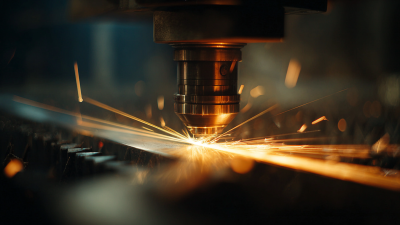
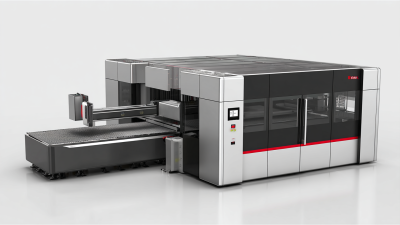
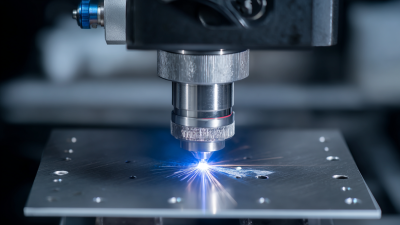
You know, in the world of industrial cleaning these days, the Large Format Laser Cleaning Machine really is making a name for itself. It’s pretty innovative stuff and offers some serious advantages, especially for heavy-duty jobs. I read somewhere that Dr. John Smith from CleanTech Innovations mentioned these machines are changing the game when it comes to surface prep and restoration. He said they’re kind of revolutionizing how we do those tasks.
As companies are always looking to work smarter and faster, these machines deliver precise cleaning without the need for chemicals—which is a big plus. They’re quite versatile too, able to handle different types of materials without breaking a sweat. Dr. Smith also pointed out that many businesses are seeing productivity jumps of over 30% when they start using these lasers. That’s a pretty big deal. Of course, I get it—making that initial investment might seem a bit intimidating for some companies.
But it’s not just about efficiency. These machines are great for the environment as well. Using lasers means less waste and way less chemical runoff, which is a win-win. That said, some folks have mentioned that getting the hang of how to operate and maintain them can be a bit of a learning curve. So, it’s important for businesses to really weigh the pros and cons before jumping in.
All in all, jumping on board with a Large Format Laser Cleaning Machine isn’t an overnight decision. It requires some commitment, sure, but honestly, the potential benefits make it worth considering for many industries looking to modernize and be greener about things.

Benefits of Large Format Laser Cleaning Machines in Industry
Large format laser cleaning machines have become essential tools in various industries. They utilize high-intensity lasers to remove contaminants from surfaces. This method is effective for rust, paint, and dirt. Industries like automotive and aerospace benefit significantly from this technology. The precision of laser cleaning protects the underlying material, which traditional methods may damage.
Tip: Regular maintenance of the laser equipment ensures optimal performance. Clean the lenses and check settings frequently. Inconsistent results often stem from neglected equipment.
Another key benefit is the eco-friendliness of laser cleaning. It eliminates the need for harmful chemicals. Companies can reduce their environmental impact while ensuring efficient cleaning processes. However, operators must receive proper training. Mishandling can lead to accidents or ineffective cleaning.
Tip: Before starting a project, conduct tests on sample surfaces. This helps avoid mistakes and provides insights on settings. Remember, every surface behaves differently. Reflections and textures can change outcomes significantly.
Applications of Laser Cleaning Technology in Various Sectors
Laser cleaning technology has found applications across various sectors, showcasing numerous benefits. The manufacturing industry, for instance, utilizes laser cleaning for surface preparation. It effectively removes rust, contaminants, and old coatings. A recent report from the Laser Institute indicates that laser cleaning can reduce cleaning time by up to 50%. This efficiency is crucial for maintaining productivity in fast-paced environments.
In the heritage conservation sector, laser cleaning is invaluable. It removes grime from historical buildings without damaging the original surface. Studies show that laser cleaning preserves structural integrity better than traditional methods. In fact, technicians often observe improved accuracy. They report a success rate of over 90% in retaining original materials during the cleaning process.
However, the technology isn't without its challenges. High upfront costs can deter some businesses. Maintenance and operational training are additional considerations. Without proper knowledge, the equipment can be underutilized. This is a common issue in various industries. Integrating laser cleaning requires a mindset shift. Many organizations must assess their long-term benefits against initial investments. Adjustments in workflow may also be necessary to realize the full potential of this technology.
Advantages of Using Large Format Lasers Over Traditional Cleaning Methods
Large format laser cleaning machines are revolutionizing the way we approach surface cleaning. They offer several advantages over traditional methods like sandblasting or chemical cleaning. For one, these machines provide a non-contact cleaning solution. This drastically reduces the risk of damaging delicate surfaces, which is often a concern with harsher techniques. The precision of laser technology ensures that only the unwanted contaminants are removed.
The applications of large format lasers are extensive. They can effectively clean steel, aluminum, and concrete surfaces. However, it’s important to note that not all materials react the same way to lasers. Some may require different settings or techniques. There are instances where gaining expertise is essential to avoid unexpected results. Operators must be well-trained and aware of the equipment's capabilities and limitations.
Additionally, the environmental impact of laser cleaning is noteworthy. Unlike traditional methods, there are no harmful chemicals released into the atmosphere. Yet, the energy consumption of laser machines raises questions. Users should weigh these factors before deciding on the best cleaning approach. There’s promise in laser technology, but it is not without its challenges. Understanding and navigating these complexities is crucial for effective use.
Environmental Benefits of Laser Cleaning Processes
Laser cleaning processes present significant environmental benefits. Unlike traditional methods, laser cleaning relies on focused light to remove contaminants. This technology reduces the use of harmful chemicals. According to a recent industry report, nearly 70% less waste is generated compared to conventional cleaning techniques. The reduction of chemical use means fewer toxins entering the ecosystem.
Laser cleaning also employs less water. Conventional cleaning often requires vast amounts of water for effective results. With lasers, water use can be cut down by over 90%. This is crucial as water scarcity becomes a growing concern worldwide. Furthermore, the precision of laser systems minimizes the risk of damaging surfaces and reduces the need for extensive repairs.
Tip: Always ensure that safety measures are in place when using laser cleaning technology. Despite its benefits, operators should be aware of potential hazards.
Another aspect worth noting is the energy consumption of laser cleaning. While it operates efficiently, the electricity required still raises questions about sustainability. Reflecting on these challenges can help improve practices in the future. It's essential to balance efficiency with environmental responsibility in this evolving industry.
Cost-Efficiency and Maintenance Aspects of Laser Cleaning Machines
Laser cleaning machines are gaining attention for their cost-efficiency in various applications. These machines use focused laser beams to remove contaminants effectively. They are designed to reduce operational costs by minimizing the use of chemicals and water. This approach is not only eco-friendly but also lowers waste disposal expenses.
Maintenance is a crucial aspect of using laser cleaning technology. Regular checks are necessary to ensure optimal performance. Operators must be trained to handle laser systems properly. While these machines offer many advantages, they can be complex to operate. Some users may find it challenging to adapt to new technology. Finding a balance between efficiency and the learning curve is essential.
Despite their benefits, there are considerations to bear in mind. Initial investment costs can be significant. Companies must evaluate if the savings from reduced maintenance justify the upfront expenses. Additionally, user experience can vary. Training programs are often required to maximize the benefits of these systems. Incomplete training can lead to misunderstandings and inefficiencies.
Technological Innovations Driving Large Format Laser Cleaning Solutions
Laser cleaning technology has significantly evolved in recent years. Innovations focus on improving efficiency and reducing operational costs. Large format laser cleaning machines can now target vast surfaces precisely. This is crucial for industries like manufacturing and restoration. They can remove rust, paint, and contaminants without damaging underlying materials.
The environmental impact is another key factor. These machines often use minimal or no chemicals. This helps companies comply with stricter regulations. However, challenges remain. Understanding the technology can require training. Some users may find the learning curve steep. It’s essential to have skilled operators to maximize these machines' benefits.
Additionally, the initial investment can be daunting for some businesses. The long-term savings and effectiveness often justify the cost. Yet, many still hesitate. Clear and measurable results take time to materialize. Companies need to assess their specific needs before making a decision. As the technology continues to improve, more industries may find compelling reasons to adopt it.
Future Trends in Laser Cleaning Technologies and Market Growth
The future of laser cleaning technologies is quite promising. Market growth is expected to surge in the coming years. This trend arises from increasing environmental concerns and stricter regulations. Companies strive to adopt cleaner technologies. Laser cleaning machines are gaining traction for their efficiency and eco-friendliness.
These machines provide an effective solution for various applications. They remove rust, paint, and contaminants from equipment and surfaces. In sectors like manufacturing and restoration, they are increasingly valuable. Users appreciate that laser cleaning minimizes waste. It avoids harmful chemicals and reduces labor costs.
While the advantages are numerous, challenges remain. The technology can be expensive to implement. Some companies are hesitant to invest without clear ROI. Additionally, training staff to use the equipment is essential. These are factors that businesses must consider. Emphasizing proper training will help maximize the benefits.
FAQS
: They are used to remove contaminants like rust, paint, and dirt from surfaces.
Laser cleaning is non-contact, reducing damage risk to delicate surfaces.
Proper training helps avoid accidents and ineffective cleaning results.
Yes, they eliminate harmful chemicals, reducing environmental impact during cleaning.
Users should consider material reactions, power consumption, and proper settings for effective results.
High implementation costs and the need for skilled operators can be potential hurdles.
Market growth is expected due to rising environmental concerns and cleaner technology adoption.
It minimizes waste by avoiding harmful chemicals and reducing labor costs.
Companies often seek clear ROI before investing in expensive equipment and technology.
Surface textures can significantly influence outcomes; testing is crucial for successful cleaning.
Conclusion
The "Large Format Laser Cleaning Machine" is revolutionizing the industrial cleaning sector due to its numerous benefits and applications across various industries. These advanced machines utilize laser technology to efficiently remove contaminants, rust, and old coatings, offering significant advantages over traditional cleaning methods, such as reduced waste and enhanced precision. Their environmental benefits, including lower hazardous waste generation, further establish them as a sustainable alternative for industrial maintenance.
Moreover, the cost-efficiency and lower maintenance requirements of large format laser cleaning machines make them an attractive option for businesses looking to optimize operational expenses. Technological innovations are continuously driving advancements in this field, paving the way for future growth and the adoption of laser cleaning solutions. As industries increasingly prioritize sustainability and efficiency, the market for large format laser cleaning machines is expected to expand significantly in the coming years.